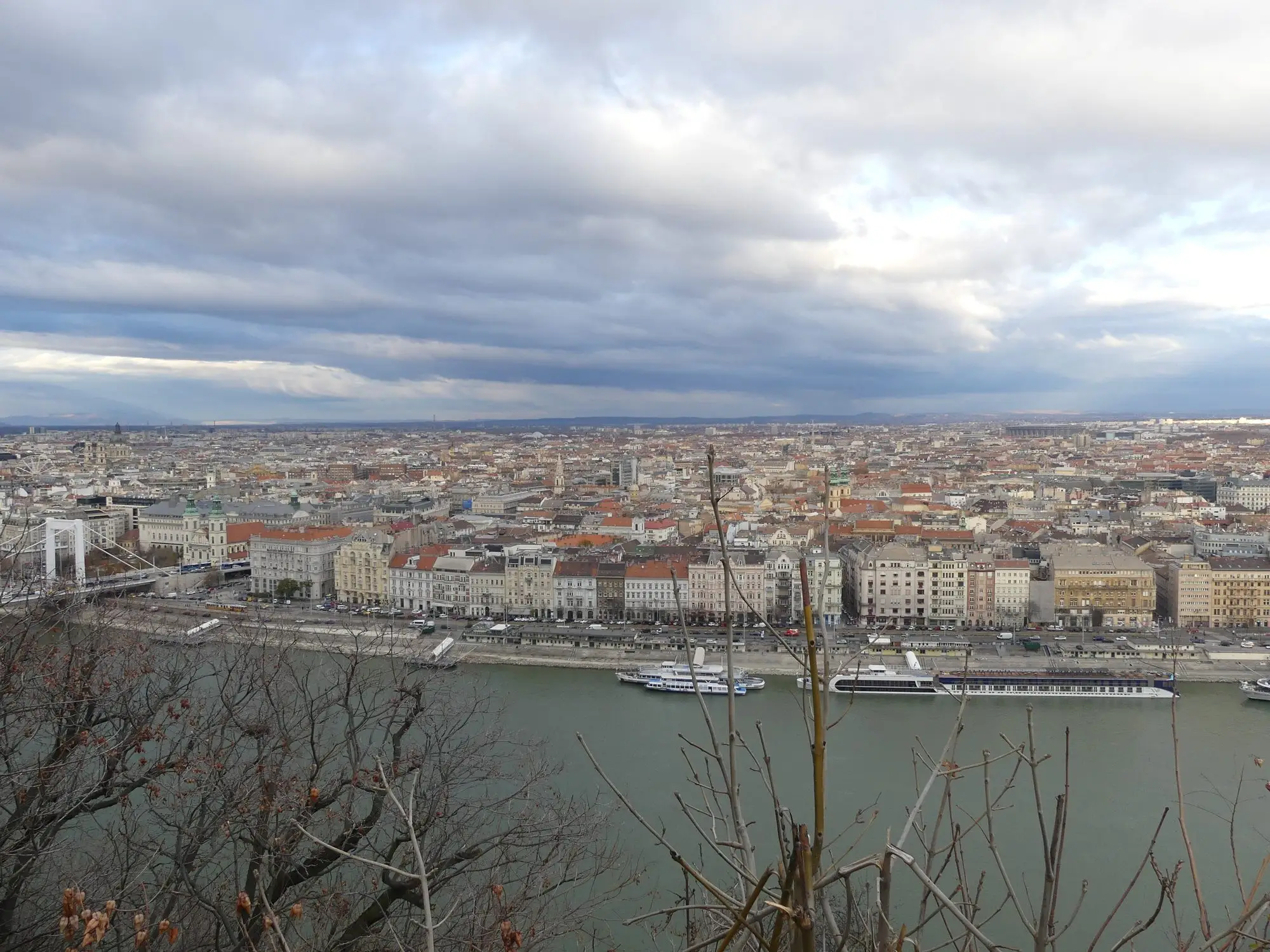
Most of what makes Budapest worth the trip costs nothing. The riverbanks, the bridges, Castle Hill and the lookouts on Gellért Hill are open to anyone, and the Citadella, shut for years, reopened in April 2026 with its park and wall-walk free. Several of the newest buildings in City Park are free to walk into as well.
Some of the sights people assume are free are not. St Stephen’s Basilica and Matthias Church both charge for sightseeing, and the Parliament is seen only on a paid tour, apart from a few free holiday open days. The 28 free things below are grouped by area, so you can string them together on foot.
Map of the free things to do in Budapest
Entries 1 to 7 are on the Buda side: Castle Hill, Gellért Hill to the south of it, and Gül Baba’s tomb and the Money Museum to the north. Entries 8 to 13 follow the Pest riverbank from the Parliament down to the Great Market Hall, and 14 to 18 run out along Andrássy Avenue to Heroes’ Square and City Park. The Jewish Quarter sits between the river and the park, and the last group, from the cemetery to Óbuda, is a tram, bus or metro ride out.
1. Look across at the Parliament from Fisherman’s Bastion
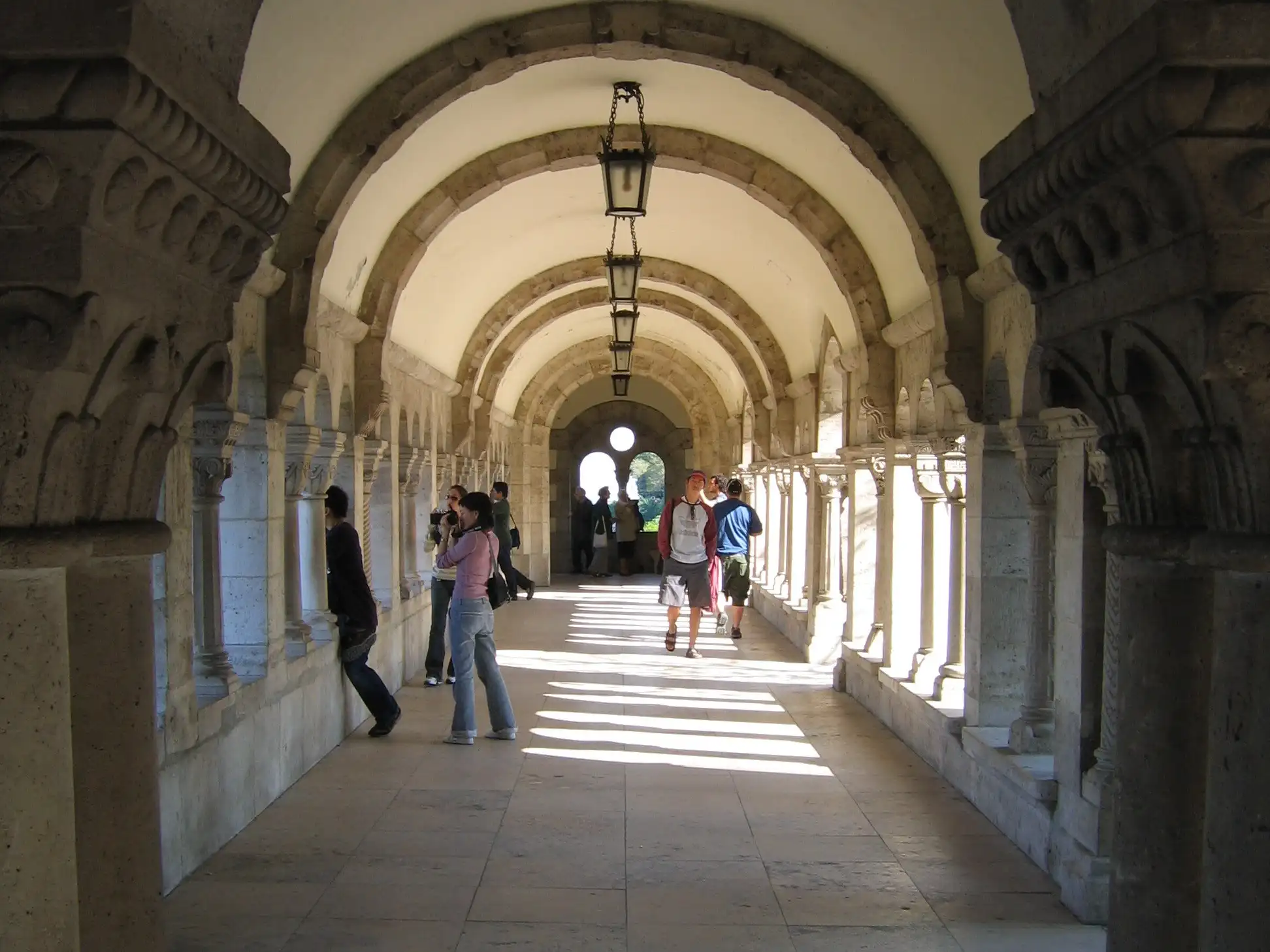
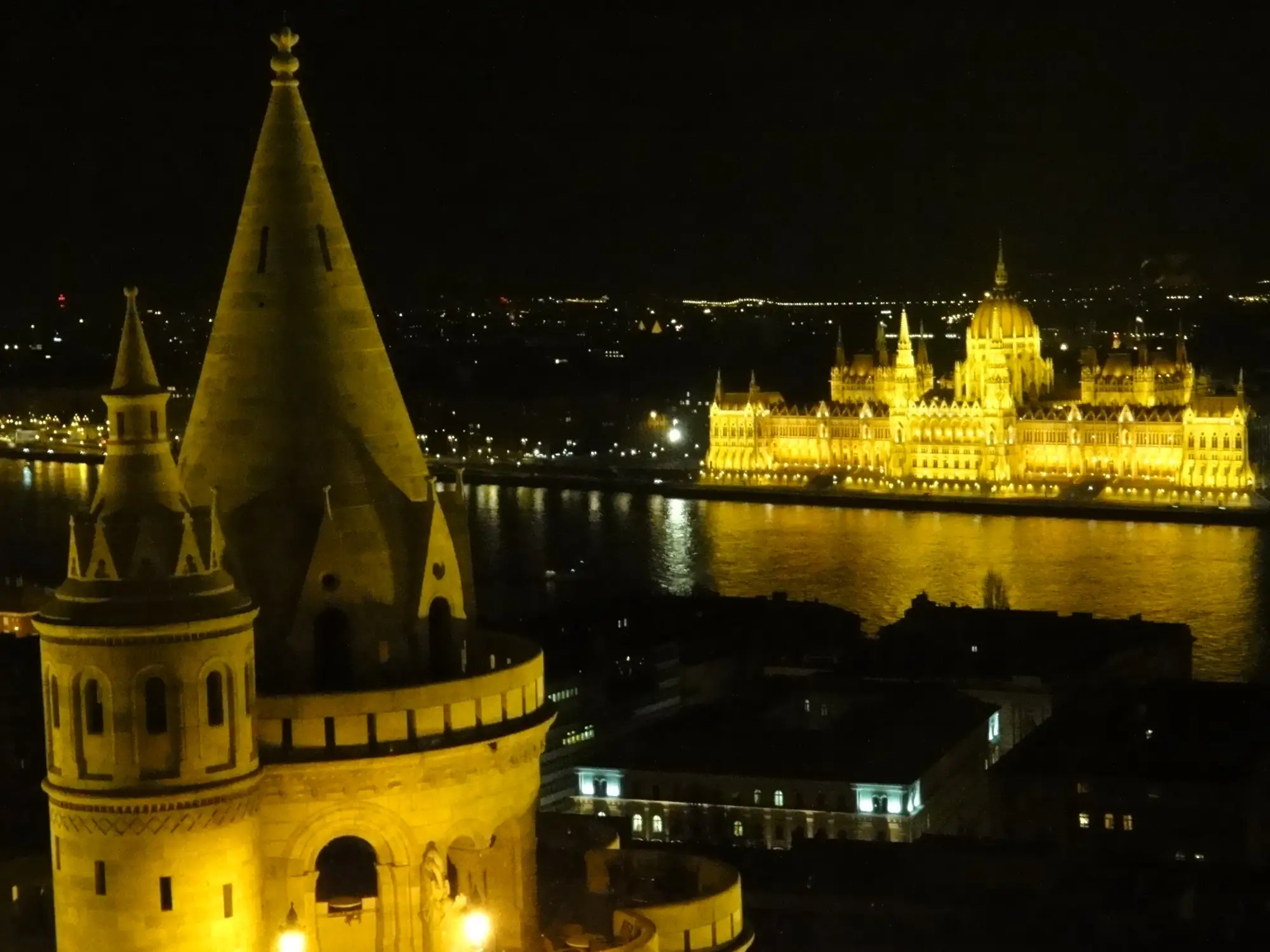
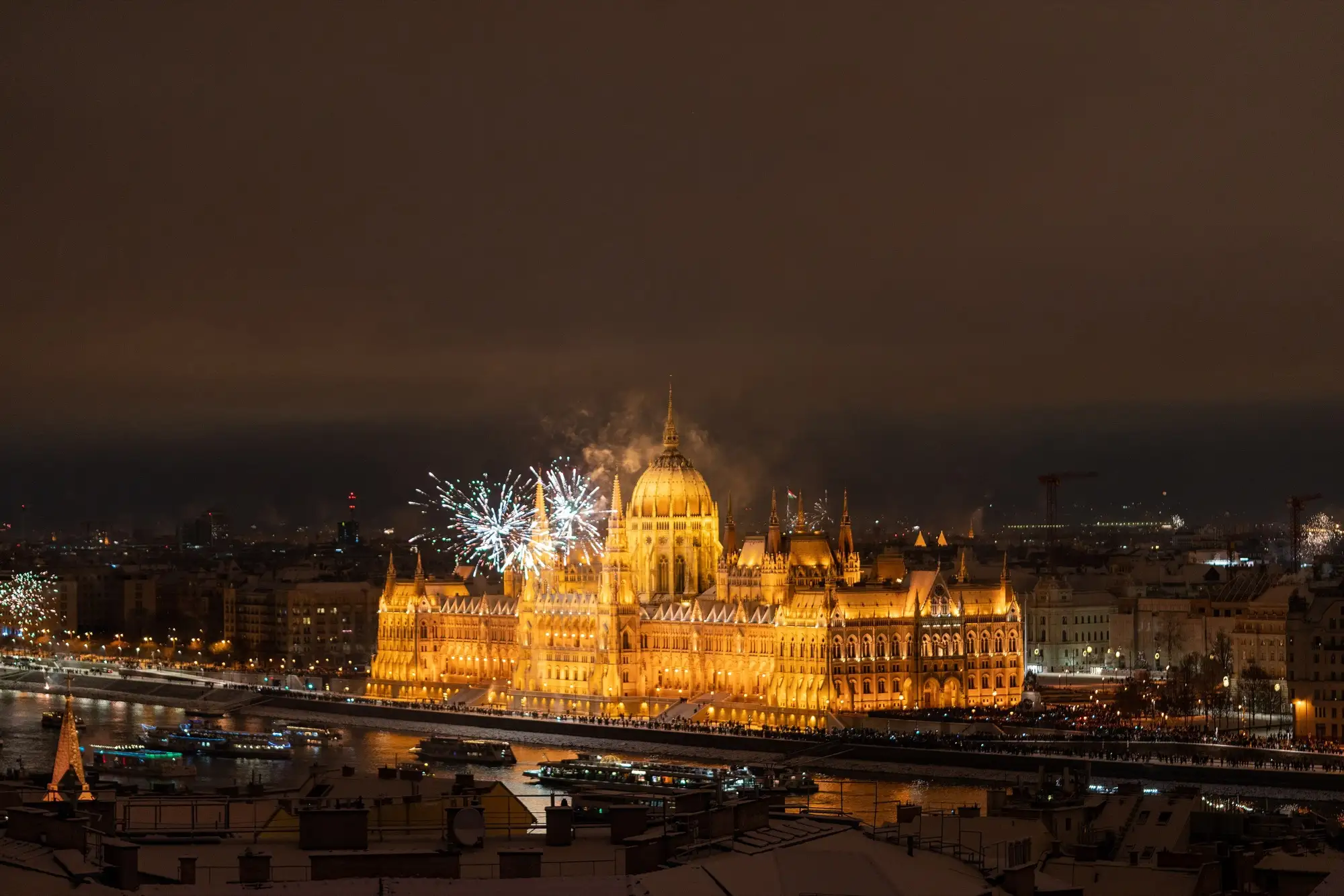
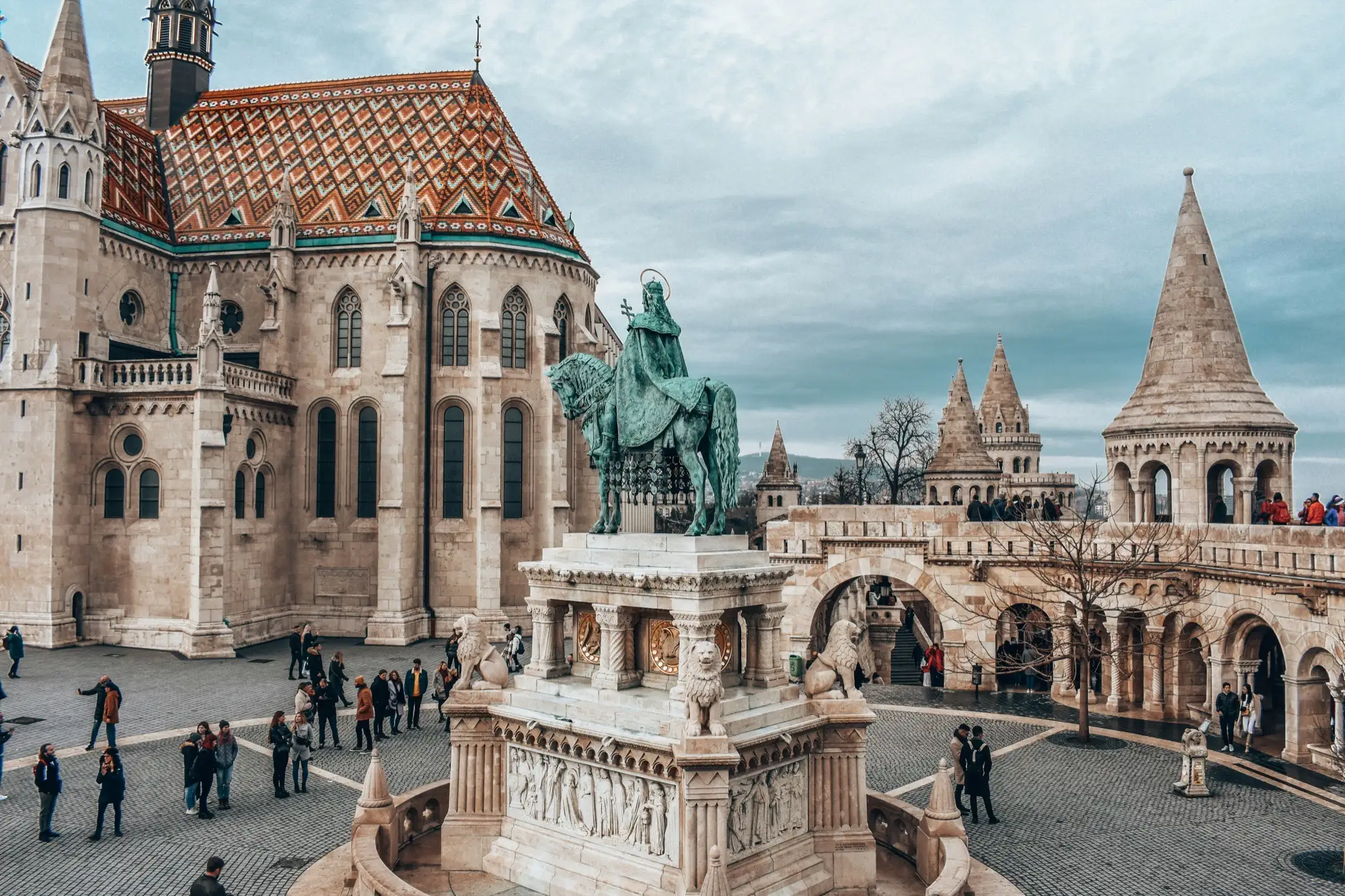
This is the best free view in Budapest, and most of the Bastion never charges. Frigyes Schulek built the white terraces at the turn of the 20th century as a viewing gallery, not a defence, and from the arcades at square level you look straight across the river at the Parliament, framed between the columns. The courtyard with St Stephen’s statue, the arcades and the Schulek staircase down the hillside are free at any hour.
Only the upper lookout charges, and only in the daytime: from 9:00 to 19:00, and until 21:00 from June to September. Outside those hours it is free too, and it is free all day on 1 January, 15 March, 20 August, 23 October and from 24 to 31 December. The free level gives you nearly the same panorama, which is why most people never pay.
Come early or after dark. By late morning the coach groups are in and café tables take over part of the arcades, while after dark the Parliament is floodlit across the water. More in our Fisherman’s Bastion guide.
2. Walk the courtyards and terraces of Buda Castle
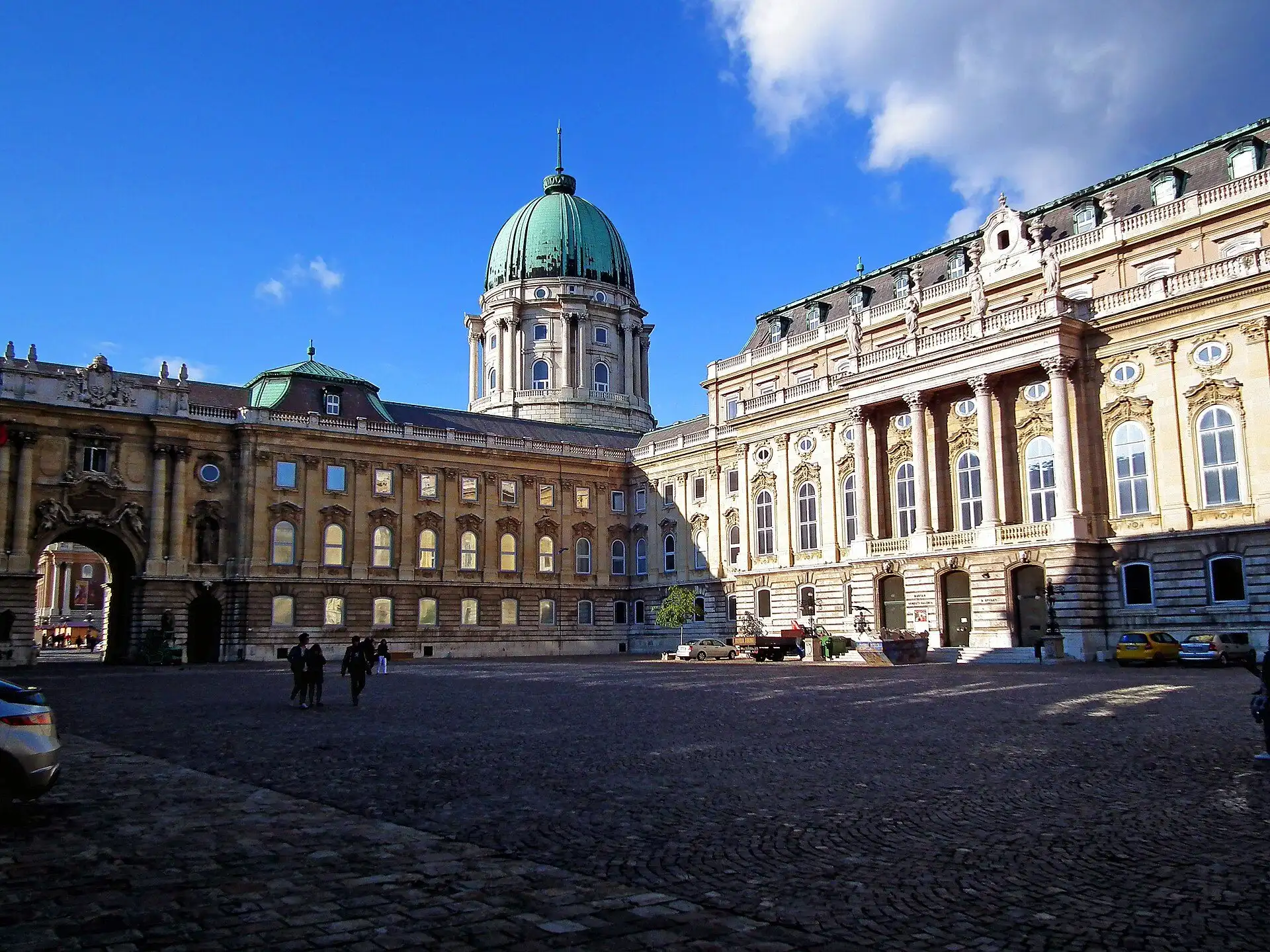
Buda Castle is free to walk round. The palace’s courtyards, terraces and squares are public space, and you pay only to go inside one of the museums or halls. Start on the Savoy Terrace, where Prince Eugene of Savoy sits on horseback above the river, then go through to the Lion Court, named after the stone lions János Fadrusz carved for its gateway in 1902. Look down as you cross it: bands of lighter stone in the paving trace the walls of the medieval palace.
The Turkish Garden beside the Karakash Pasha Tower, planted with figs, quince, lilac and roses, is the quiet corner most people never find. Down on the riverbank, the Neo-Renaissance Garden of the Castle Garden Bazaar is open from 6:00 to midnight.
Save the funicular. The escalator and lifts up from the Castle Garden Bazaar need no ticket, and so do the Tabán lifts from Palota út on the far side. Walking down through the Bazaar’s gardens is the best way off the hill. More in our Buda Castle guide.
3. Catch the noon guard change at Sándor Palace
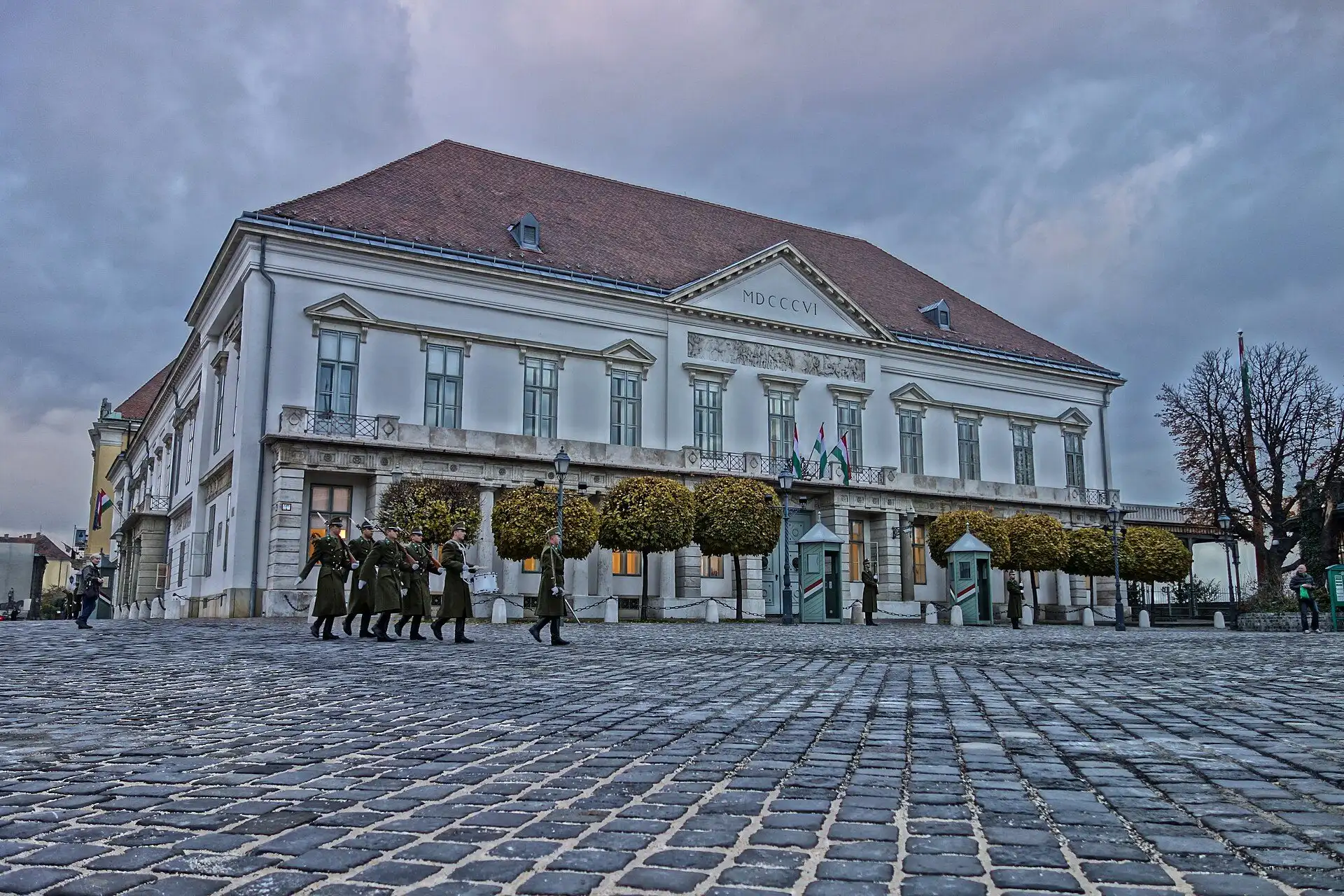
Sándor Palace, a short walk north of the Royal Palace on Szent György tér, has been the President’s office since 2003, and the guard on its gates changes through the day. The one to plan for is at 12:00, when the guard puts on an armed display rather than a quick swap. It lasts only a few minutes, so be there before noon.
From spring to autumn, about once a month, an army band plays for the noon change. You cannot normally go in, but the President’s office holds occasional free open days with registration, and they book out.
4. Watch the sun go down over the Buda hills from Tóth Árpád sétány
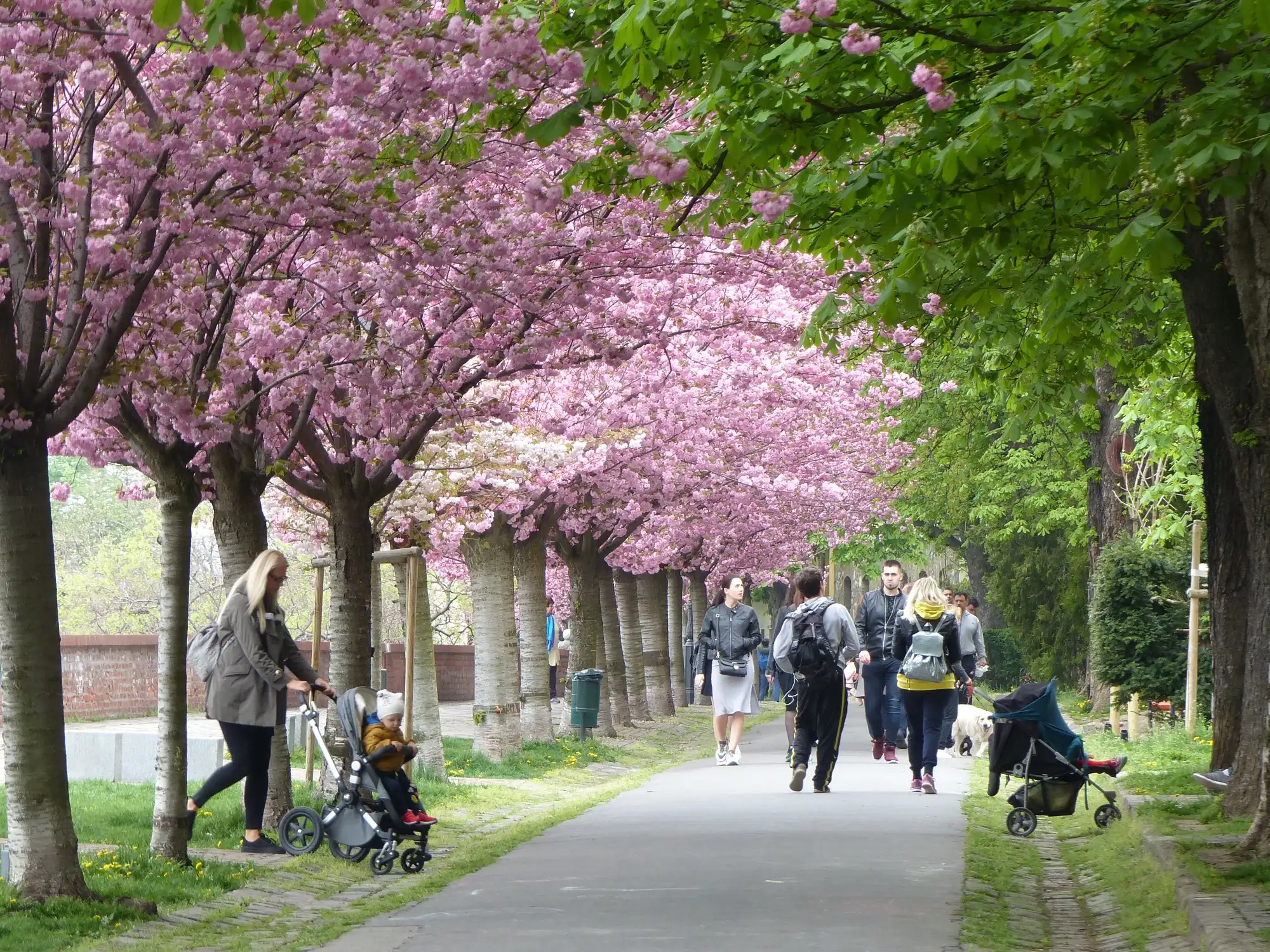
The Bastion faces east and gets the crowds. Tóth Árpád sétány, the promenade along the inside of Castle Hill’s western wall, faces the other way, over Krisztinaváros and the Vérmező park to the Buda hills, and it is where to be at sunset. It runs under the trees from the Fehérvár gate up to the Esztergom rondella, and in spring the cherry trees along it flower pink.
It was not a path in the Middle Ages: the promenade grew along the wall after the castle stopped being a fortress, and took the poet Árpád Tóth’s name in 1946. Along it are the 1934 hussar memorial, a Zsolnay fountain given by Pécs, and General Artúr Görgey on horseback at the southern end.
At the north end, walk out through the Vienna Gate, or stop at the ruins of the Mary Magdalene church on Kapisztrán tér. The ruin garden is free, though the tower charges. From Lovas út below, the Granite lift brings you up onto the promenade and takes pushchairs and bikes.
5. Climb to the Citadella on Gellért Hill
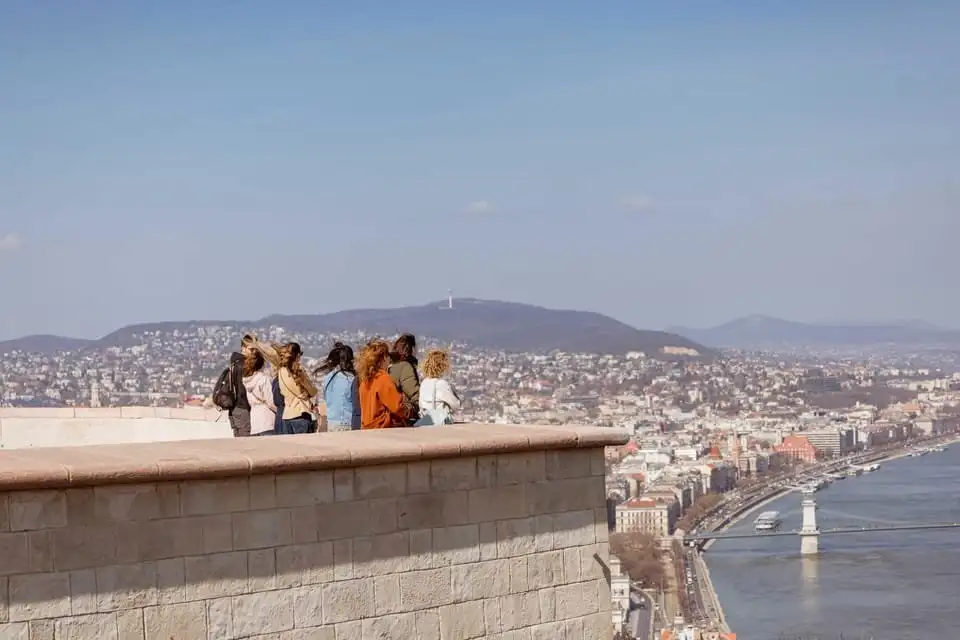
The Citadella reopened on 5 April 2026 after years of rebuilding, and the best of it costs nothing. The park inside the fortress, the promenade and the new lookouts along the walls are free during opening hours, and so is the Liberty Statue, its bronze figure 14 metres tall. The view runs from the Parliament to the bridges in one sweep, higher and wider than from Castle Hill.
What charges is The Bastion of Liberty, the history exhibition inside, and the two rooftop terraces reached through it. Plenty of people stay in the free park and never miss them.
The park is open from 6:00 to midnight from April to October, and from 8:00 to 22:00 from November to March. Walking up from Szent Gellért tér or Döbrentei tér takes about 25 minutes on stepped paths. For an easier climb take bus 27 to Búsuló Juhász, then walk up for about 12 minutes. Go in the late afternoon and stay for sunset. More in our Gellért Hill guide.
6. Find the rose garden at Gül Baba’s tomb
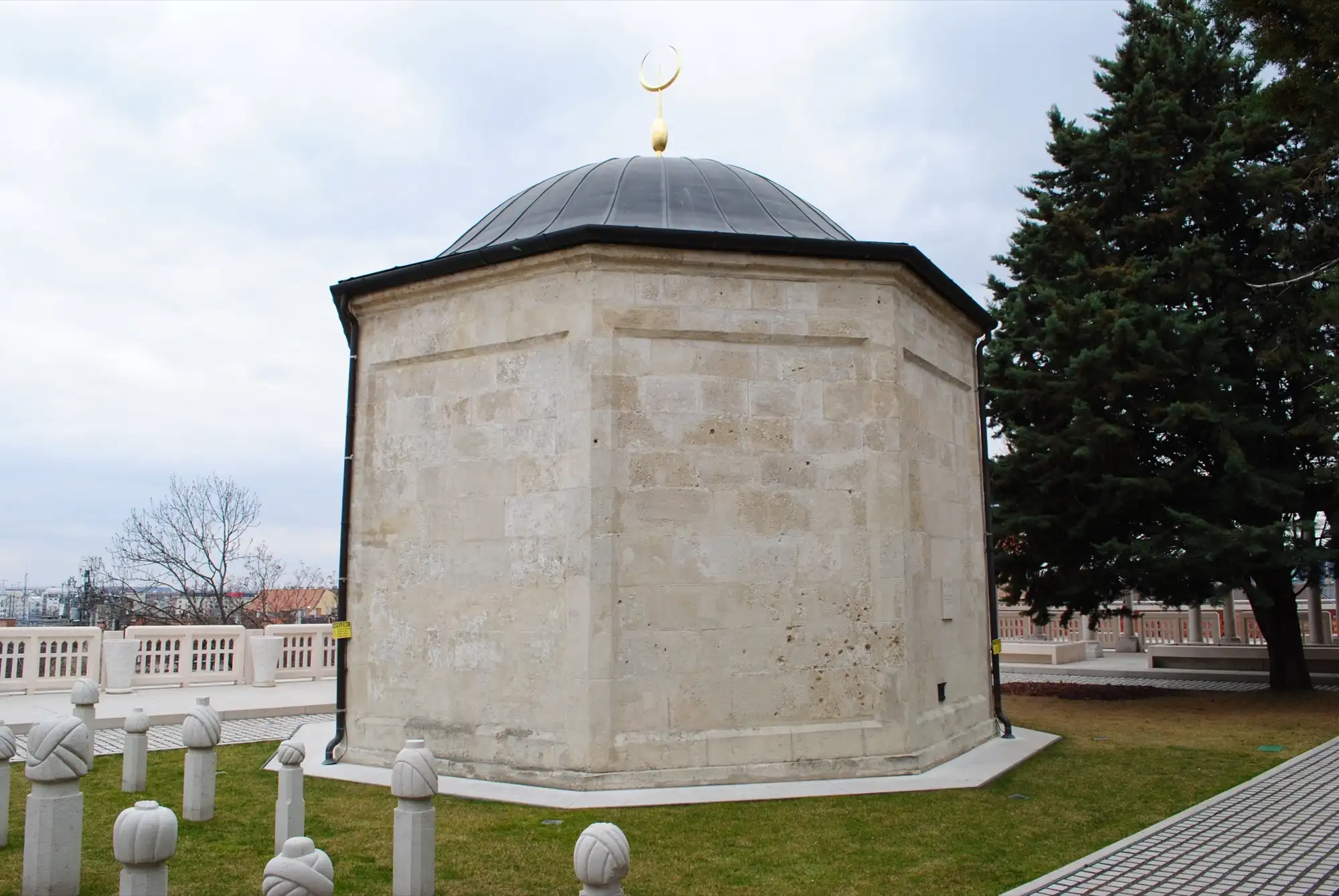
Gül Baba’s tomb is free to everyone, and few visitors know it is there. The small octagonal türbe was built between 1543 and 1548 for Gül Baba, a Bektashi dervish who came to Buda with Suleiman the Magnificent in 1541. His name means “father of roses”, and the terraces round the tomb are planted with them.
Climb to the top terrace for a view over the river, then look into the exhibition on Buda’s Ottoman period in the villa beside it, which is part of the same free visit. It is a quiet half hour, a short climb from the river.
It is open from Tuesday to Sunday, 10:00 to 18:00, and closed on Mondays. Get off at the Buda end of Margaret Bridge (trams 4, 6, 19 and 41) and walk about ten minutes up Mecset utca, which climbs gently.
7. Spend a wet afternoon at the Money Museum
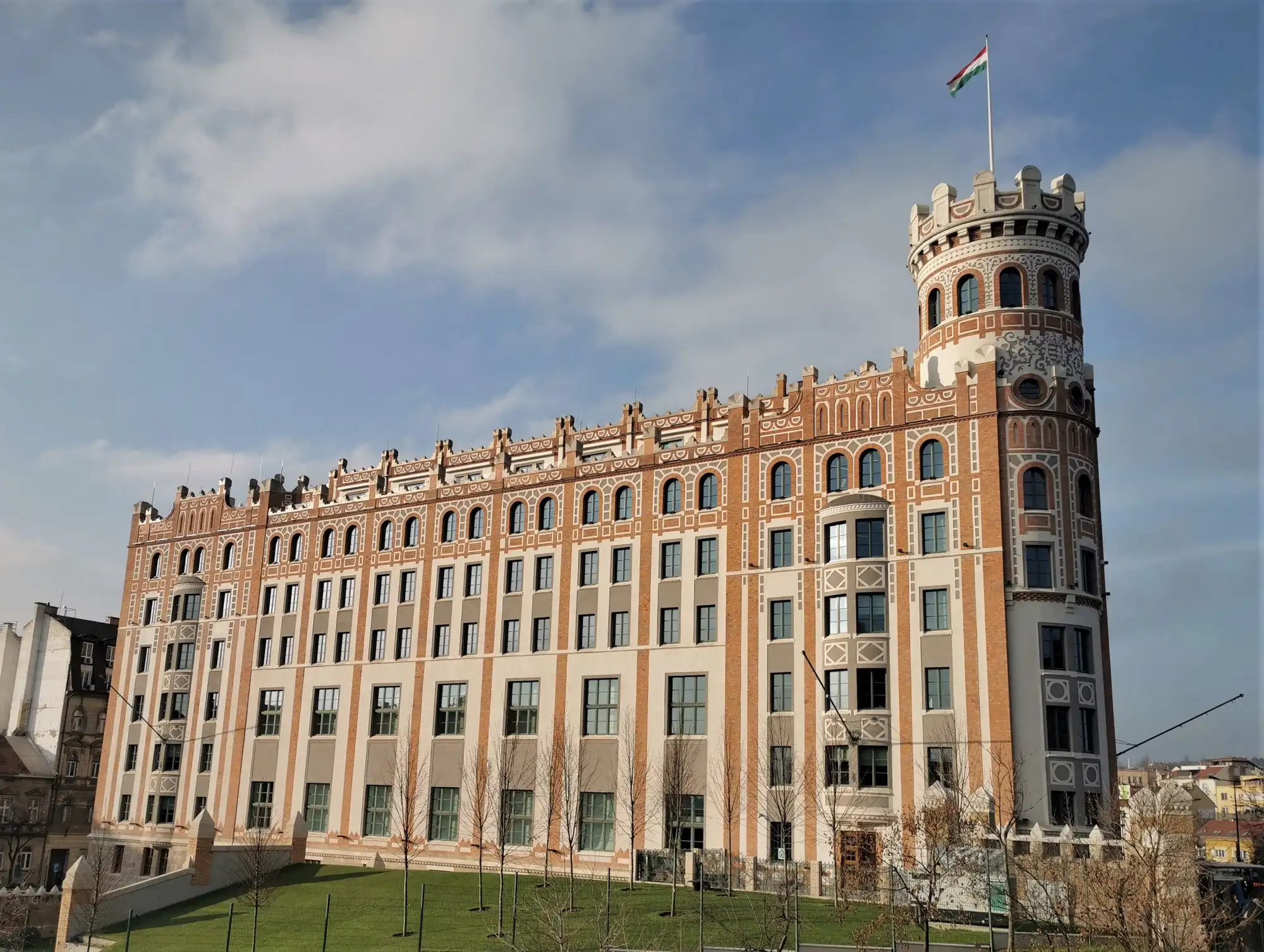
The Hungarian National Bank’s Money Museum is the best free museum in the city, and it is the place to go when the weather turns. It fills a restored red-brick palace by Széll Kálmán tér with interactive displays on what money is and how it works. Allow an hour or an hour and a half, and longer with children.
Entry is free, but you book a time online, because it is popular and capacity is limited. It is open every day except Tuesday, until 17:00. At weekends and in school holidays you can book any time from opening, 9:00 at weekends and 8:00 on weekdays. On weekdays in term time the museum is kept for school groups until 15:00, so book an afternoon slot. The building is step-free throughout.
The entrance is on Sándy Gyula tér, just off Széll Kálmán tér, where the M2 metro meets the trams and buses.
8. Walk the Pest riverbank from the Chain Bridge to the Parliament
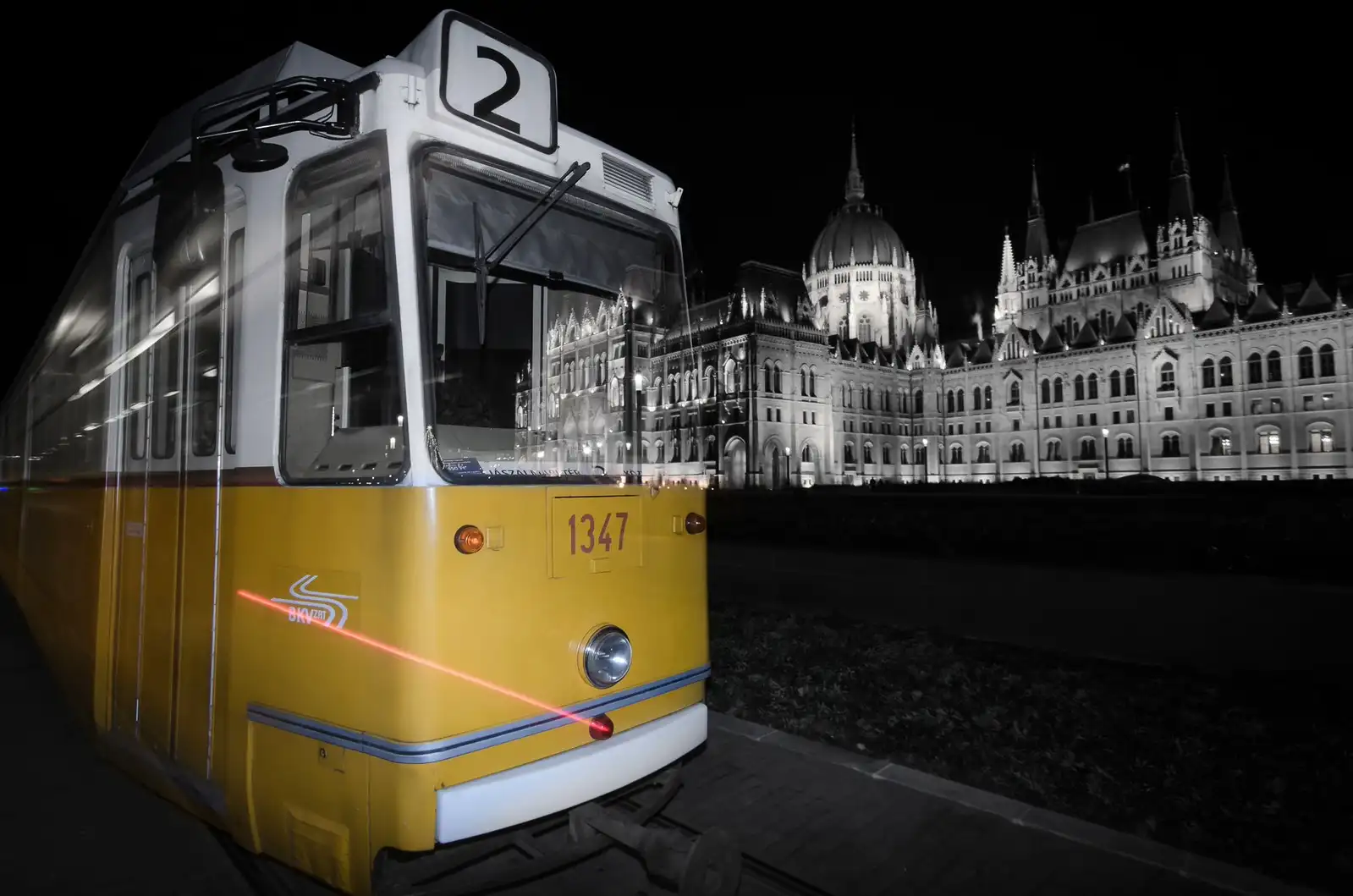
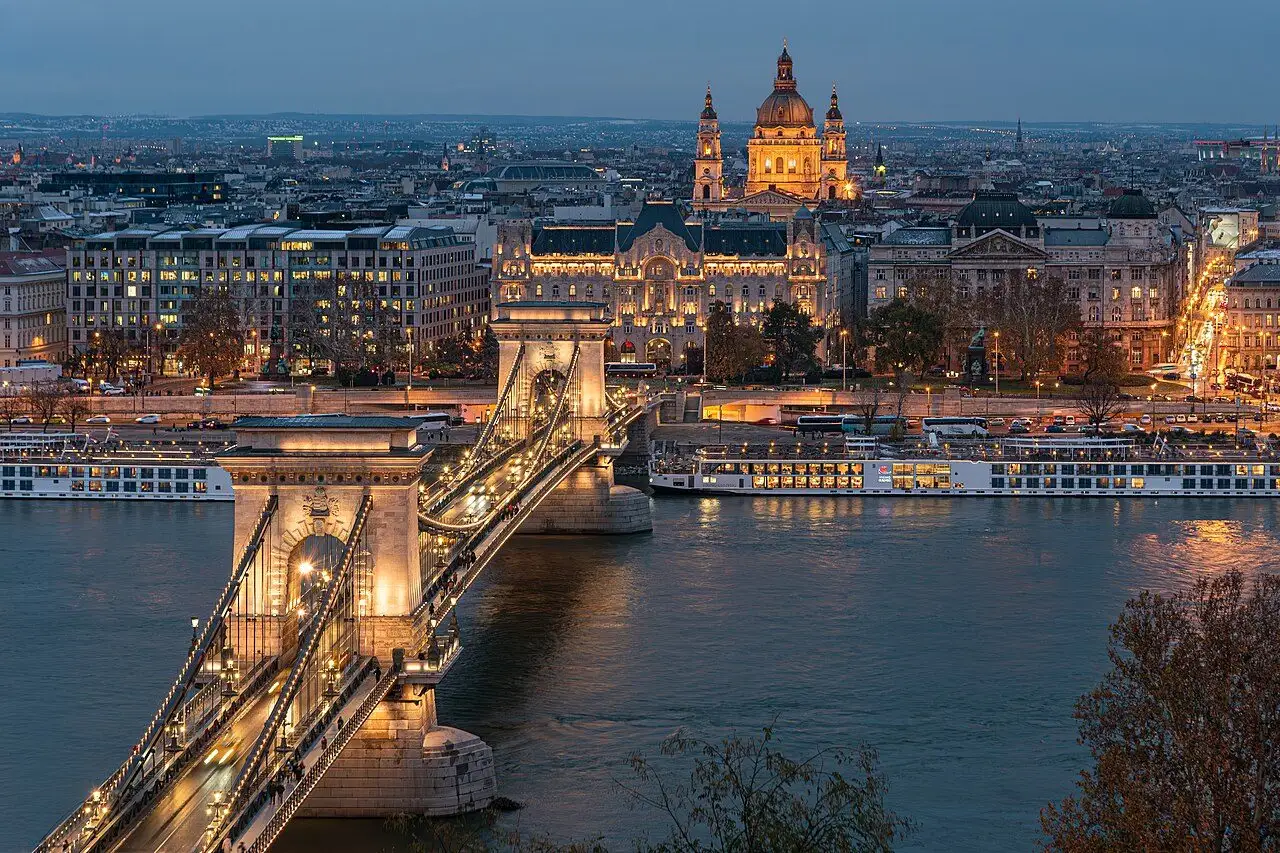
The walk north along the Pest bank from the Chain Bridge is the one that shows you the city: the Royal Palace and Fisherman’s Bastion across the water on your left, and the Parliament growing in front of you. Start at Széchenyi István tér at the Pest end of the bridge and give it half an hour, with a stop at the Shoes on the Danube Bank on the way. South of the bridge, the Danube Promenade along Vigadó tér gives the best view of the bridge and the palace together.
Do it at dusk. The palace, the bridges and the Parliament light up at about the same time, and the riverbank fills with people out for the evening.
From spring to autumn the lower quay road, between Margaret Bridge and Elisabeth Bridge, is closed to cars at weekends, on public holidays and on weekday evenings from 18:30, so you can walk right at the water’s edge. Tram 2 runs the same stretch, and a single ticket makes it the cheapest sightseeing ride in town.
9. Stop at the Shoes on the Danube Bank
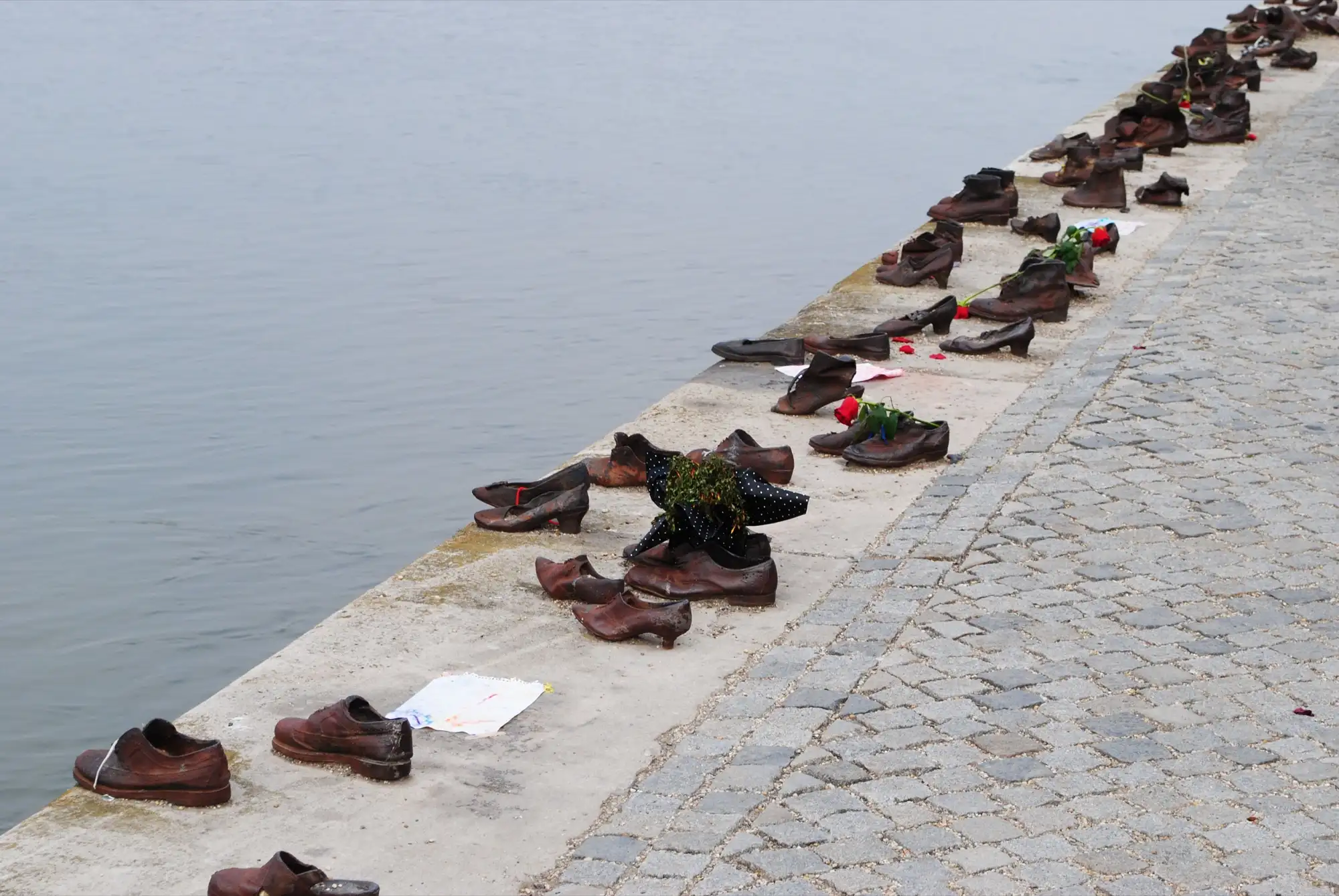
Sixty pairs of period shoes, cast in iron, stand on the old stone kerb of the riverbank, a few minutes south of the Parliament. They remember the Jews shot into the Danube by Arrow Cross militiamen in 1944 and 1945. Men, women and children were driven to the river, made to take off their shoes and valuables, and shot into the water.
Can Togay and the sculptor Gyula Pauer made the memorial, and it was unveiled on 16 April 2005, Hungary’s Holocaust Remembrance Day. Cast-iron plaques give the dedication in Hungarian, English and Hebrew, and a long stone bench runs behind the shoes. People leave stones, flowers and candles in them.
It is on the river side of the quay road. Cross at the lights by Kossuth tér or at the zebra crossing just to the south, and on car-free days you can walk straight to it. Do not step among the shoes or pose for selfies: a tourist photographed standing on one caused real anger. It is quietest early in the morning and at dusk.
10. Go under Kossuth tér for the free Parliament exhibitions
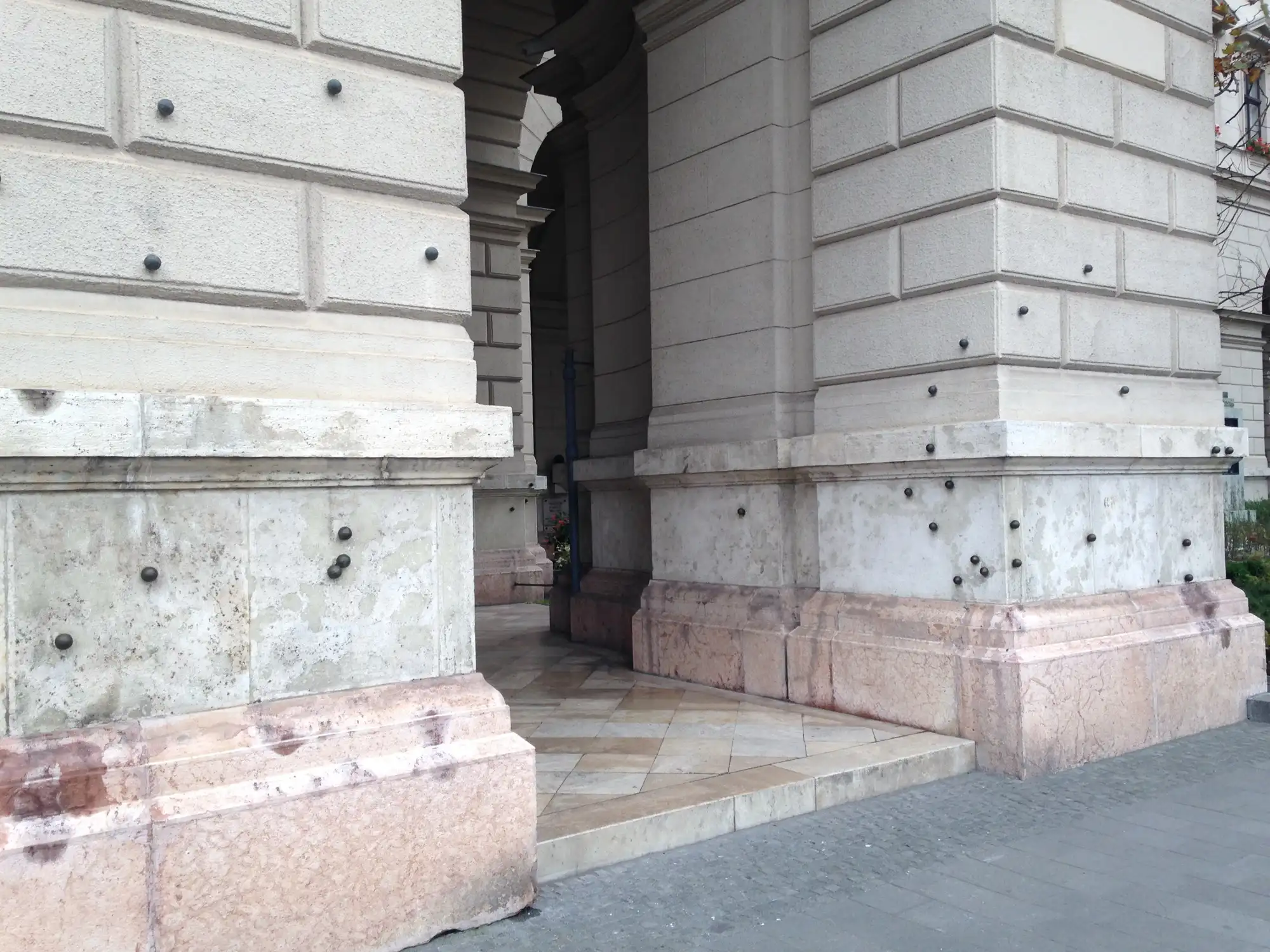
The inside of the Parliament is only seen on a paid tour, but there are two free exhibitions underneath the square in front of it, and few visitors find them. The 1956 memorial, entered from the middle of the south side of the square, remembers 25 October 1956, when the crowd on this square was fired on. The Lapidarium, entered from the north side, holds original carved stone from the Parliament’s facade, replaced during its restoration, so you see up close what is normally high above the street. Neither needs booking.
Both are open from 10:00 to 18:00 for most of the year, with a short break in the middle of the day, and for only a couple of hours a day in winter. Up on the square, look for the bronze balls set into the arcade of the Ministry of Agriculture: each marks a bullet hole from that day in 1956.
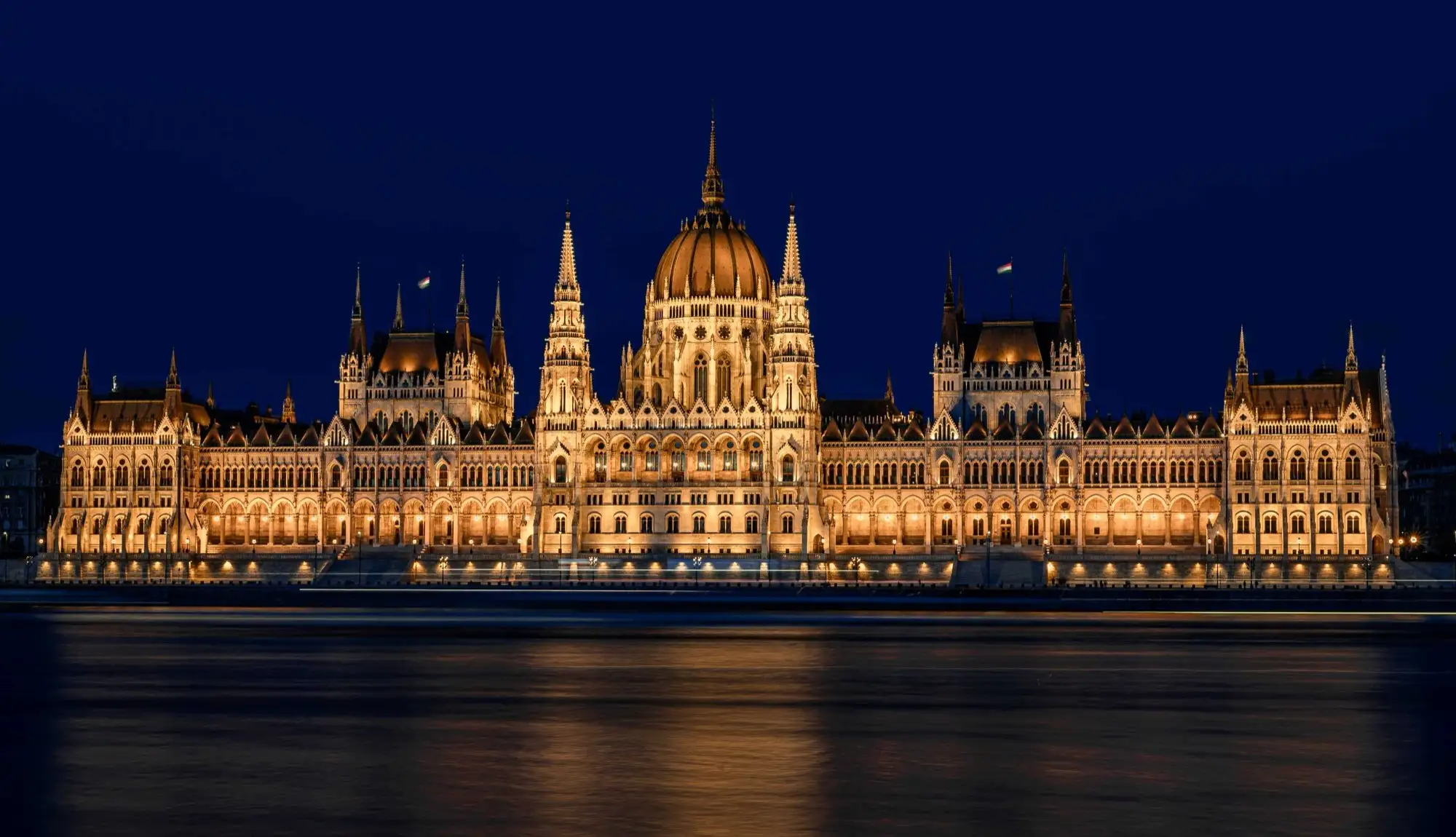
The building’s river front is floodlit from dusk. More in our Hungarian Parliament guide.
11. Read the argument in stone on Liberty Square
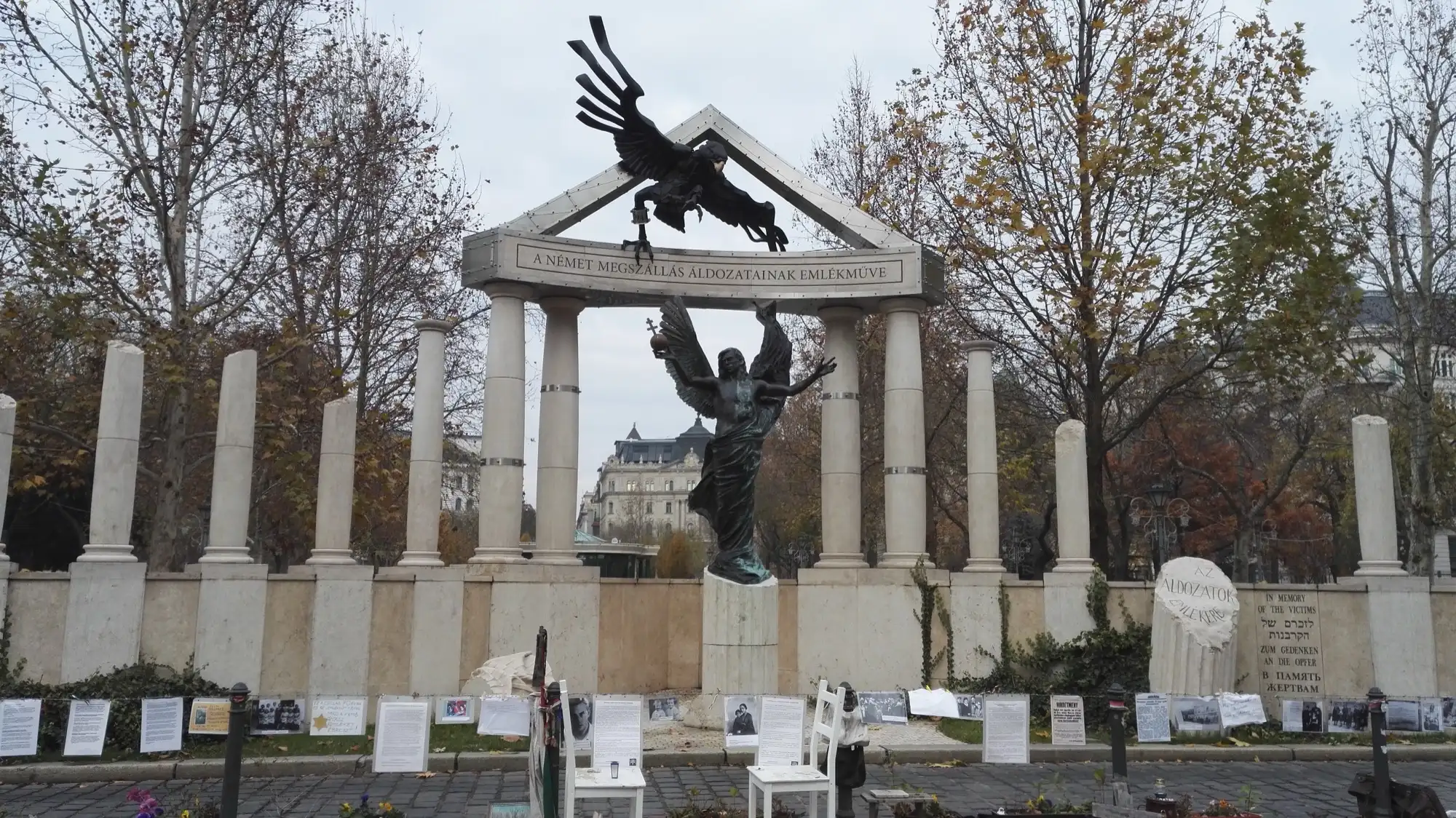
Liberty Square, between the Basilica and the Parliament, has the most argued-over monuments in Budapest within a few metres of each other. At the north end stands the Soviet war memorial, and a few steps from it is a bronze statue of Ronald Reagan.
At the south end is the memorial to the victims of the German occupation of 1944, put up in 2014 and opposed from the start by Hungary’s Jewish community for casting the country as an innocent victim. In front of it, citizens have built their own counter-memorial, the Living Memorial, out of photographs, personal belongings, stones and candles. The city has asked for a public debate on the official memorial’s future.
It is a five-minute detour on the walk from the Basilica to the Parliament. On the way out, look up at the Postal Savings Bank building round the corner on Hold utca.
12. Cross the Chain Bridge on foot
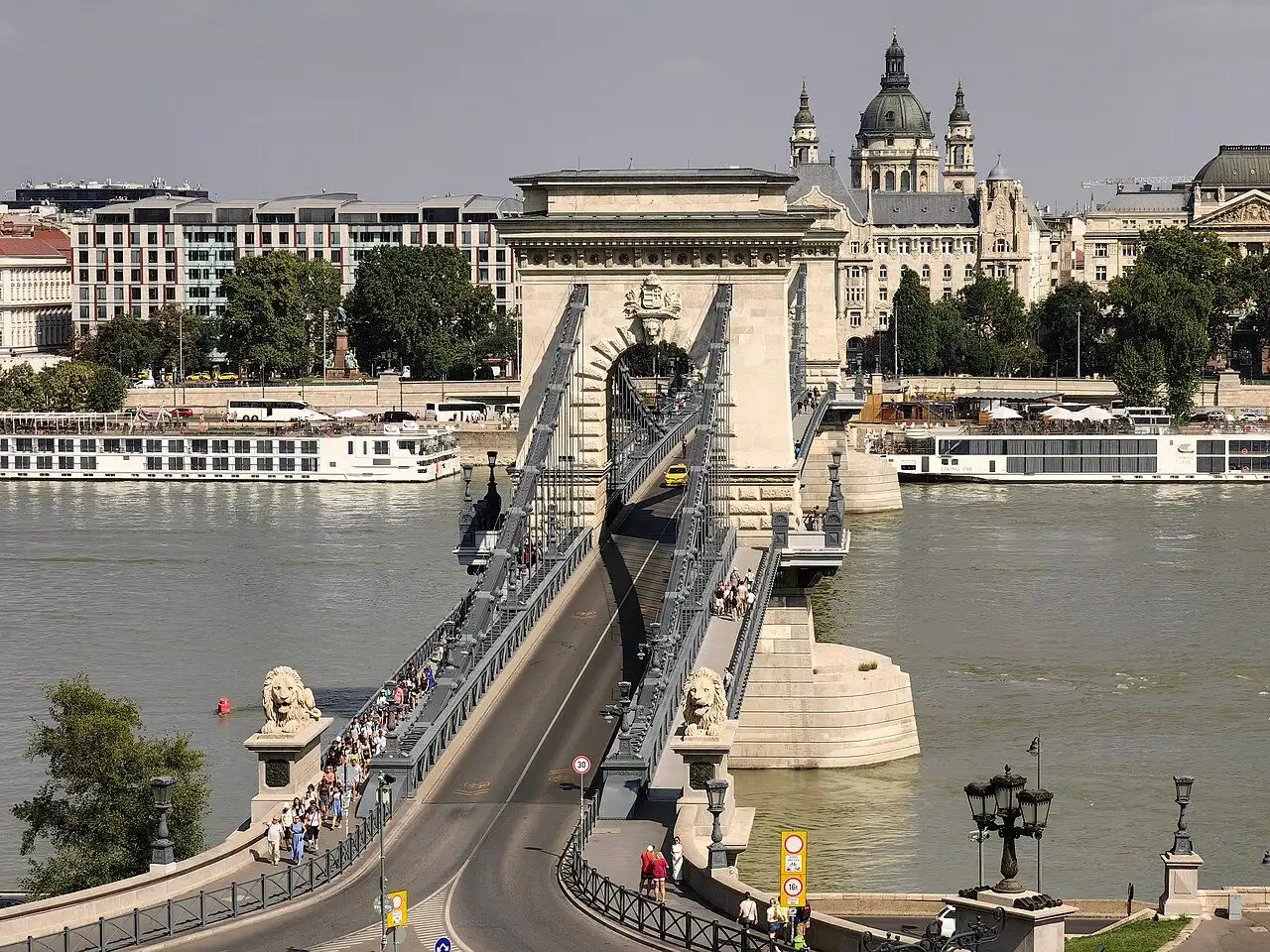
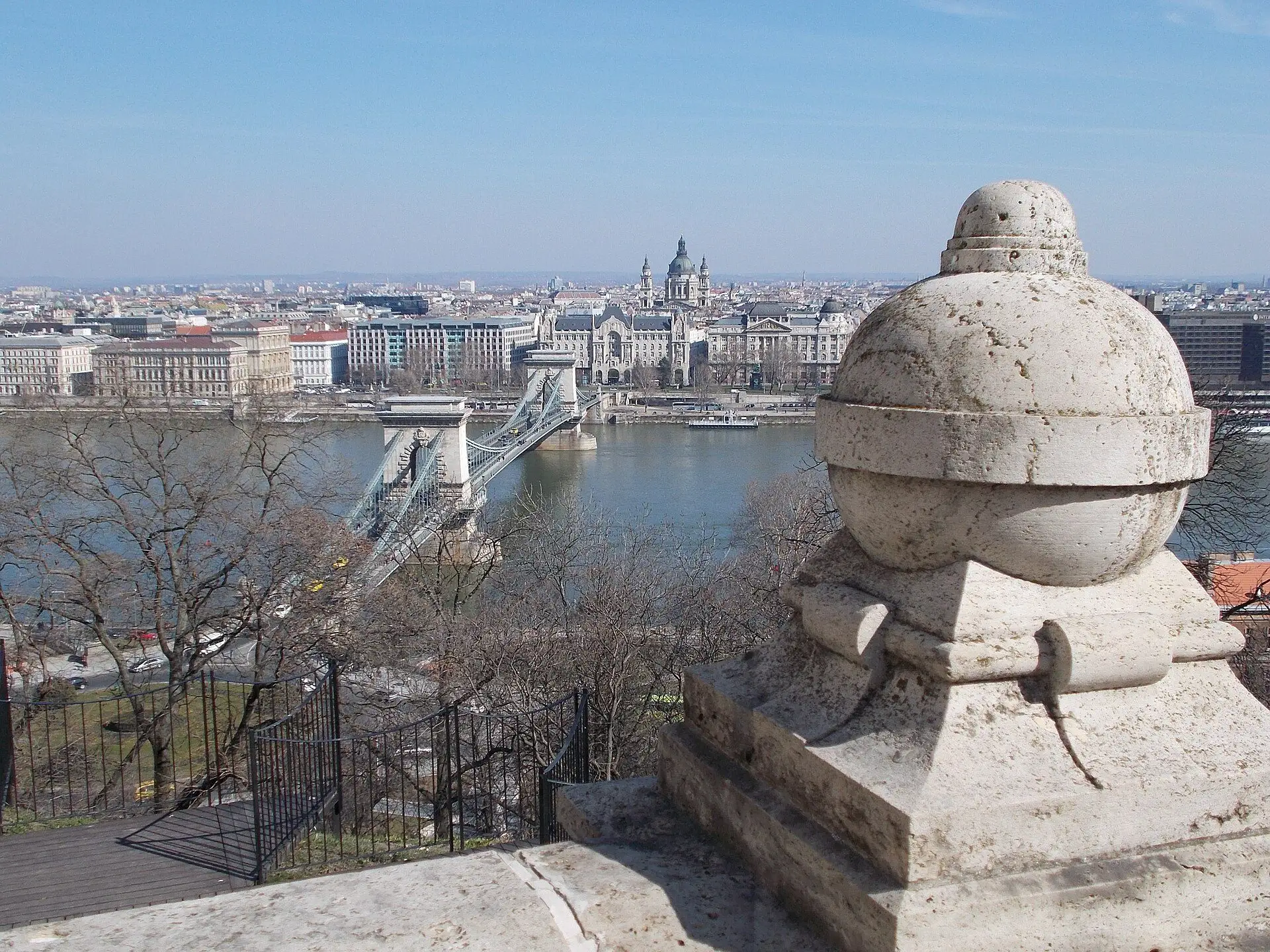
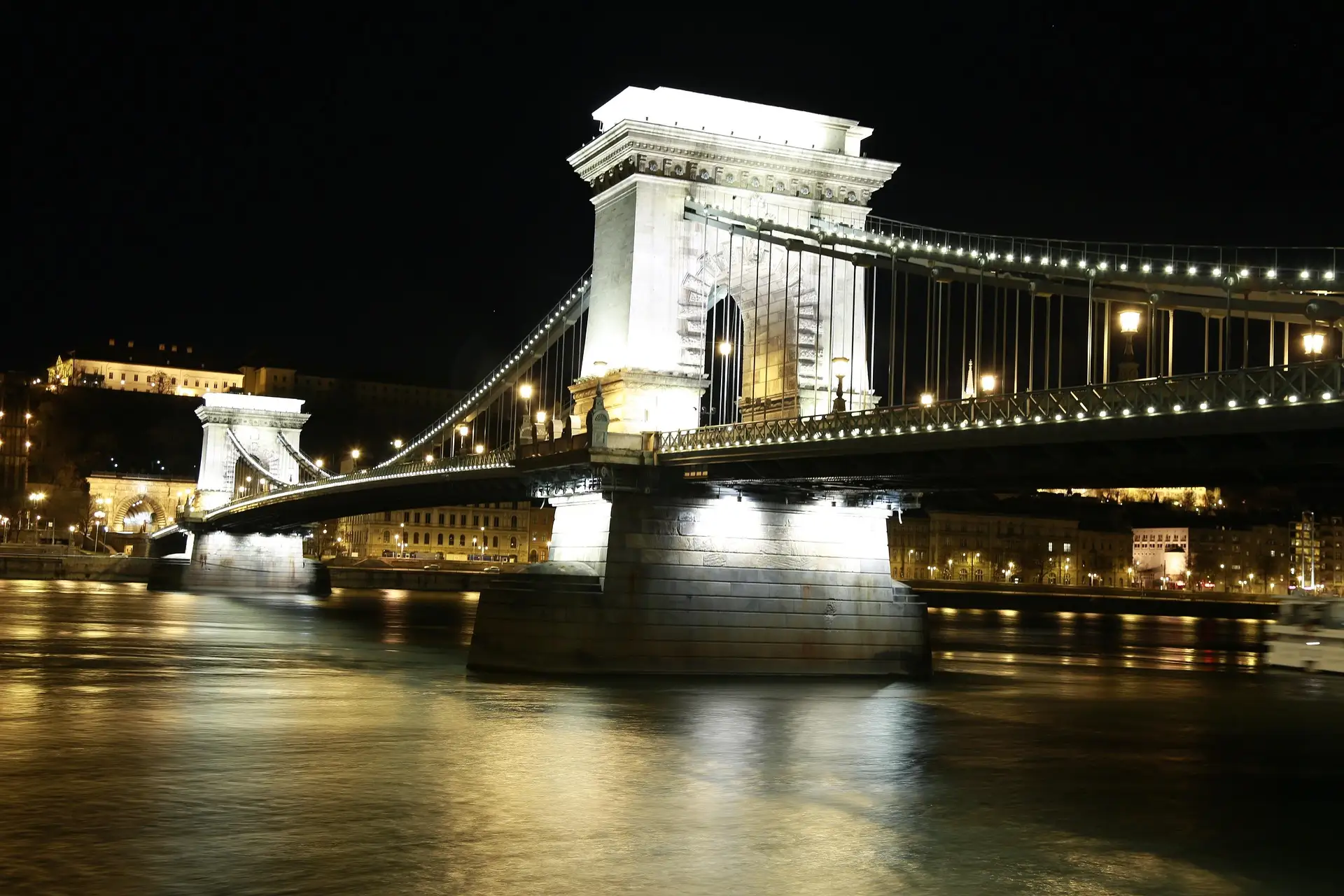
The Chain Bridge was the first permanent crossing between Buda and Pest when it opened in 1849, and it is free on foot at every hour. It has been closed to private cars since December 2022, so the traffic is buses, taxis and bikes, and the crossing is quieter than it used to be. It is 376 metres long, about seven minutes at a stroll.
At each river pier the pavement swings out round the stonework on iron brackets, so for a few paces you are walking over open water. Cross it at least once after dark, when the chains are picked out in warm white light. On national holidays it is lit in red, white and green for a few hours. More in our Chain Bridge guide.
13. Wander the Great Market Hall
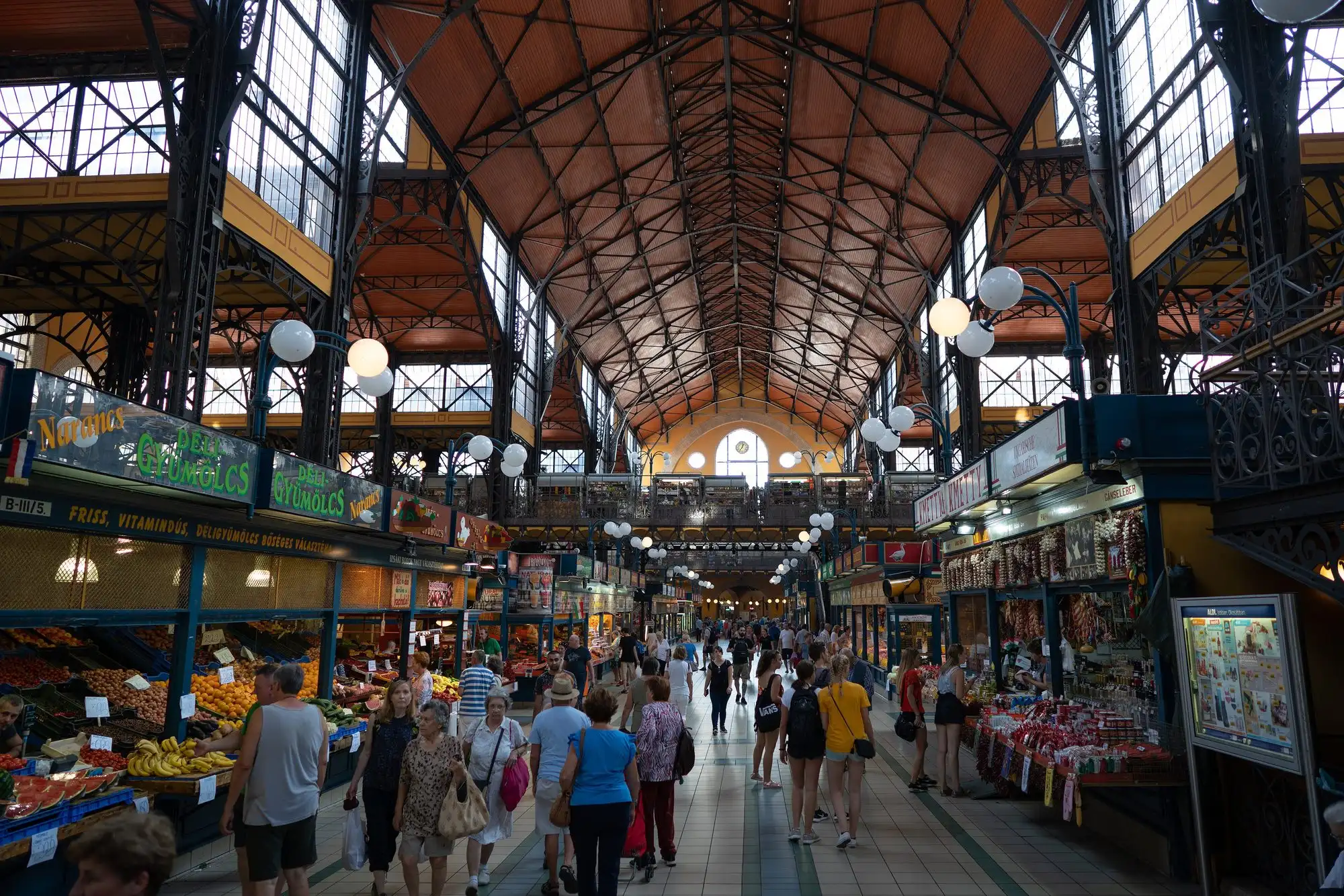
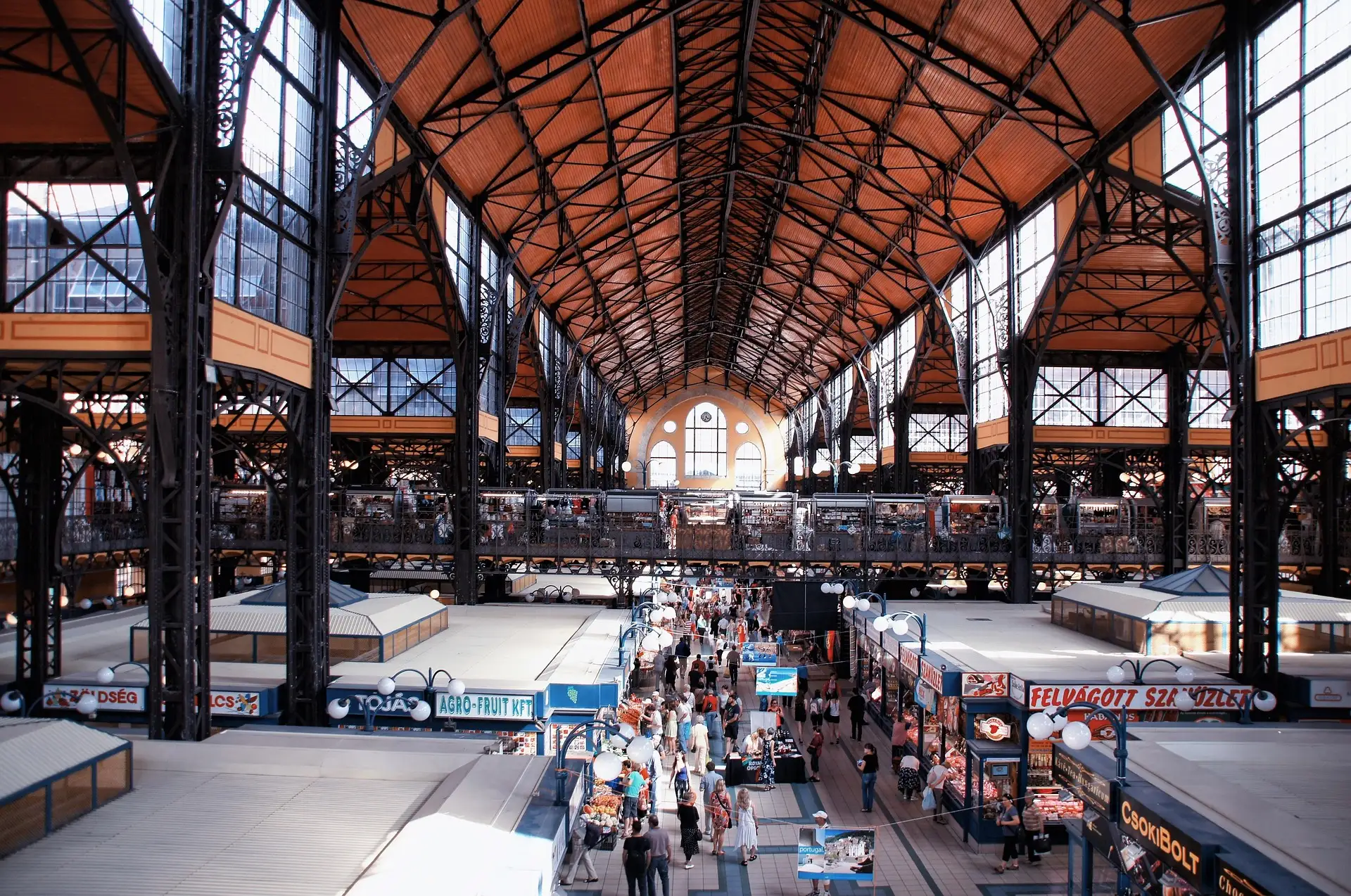
The Great Market Hall at the Pest end of Liberty Bridge is free to walk into, and the building alone earns the visit: a long iron-framed hall under a roof of coloured Zsolnay tiles. The ground floor is the working market, with produce, paprika and the butchers. Fish and pickles are in the cellar, and the food counters and most of the souvenir stalls are upstairs on the gallery.
Go on a weekday morning, when the stalls are full and the gallery is quiet. It is open from 6:00 to 18:00 on weekdays, 6:00 to 16:00 on Saturdays and 10:00 to 16:00 on Sundays, though on Sundays only a few stalls trade. It is closed on public holidays. The gallery is busiest from about noon to 14:00. More in our Great Market Hall guide.
For a market with fewer tourists, Lehel Market Hall by the M3 metro at Lehel tér opens every day except public holidays, from 6:00 on every morning of the week.
14. Walk Andrássy Avenue from the Opera to Heroes’ Square
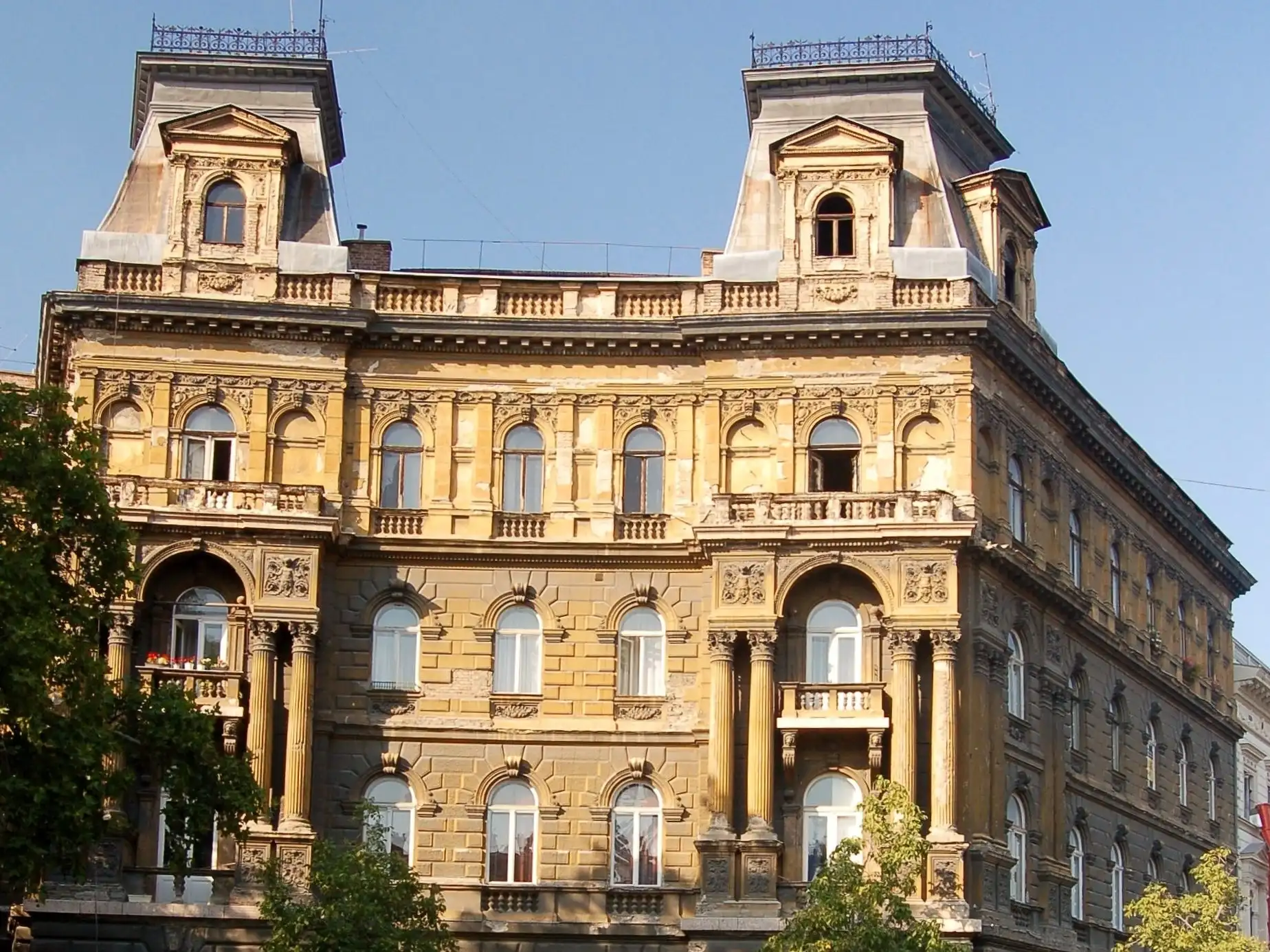
Andrássy Avenue is a World Heritage site you can walk for nothing, about 2.3 kilometres of townhouses and villas from the city centre out to Heroes’ Square. Walk it outwards and it changes as you go: luxury shops at the inner end, apartment palaces in the middle, villas and gardens towards the park.
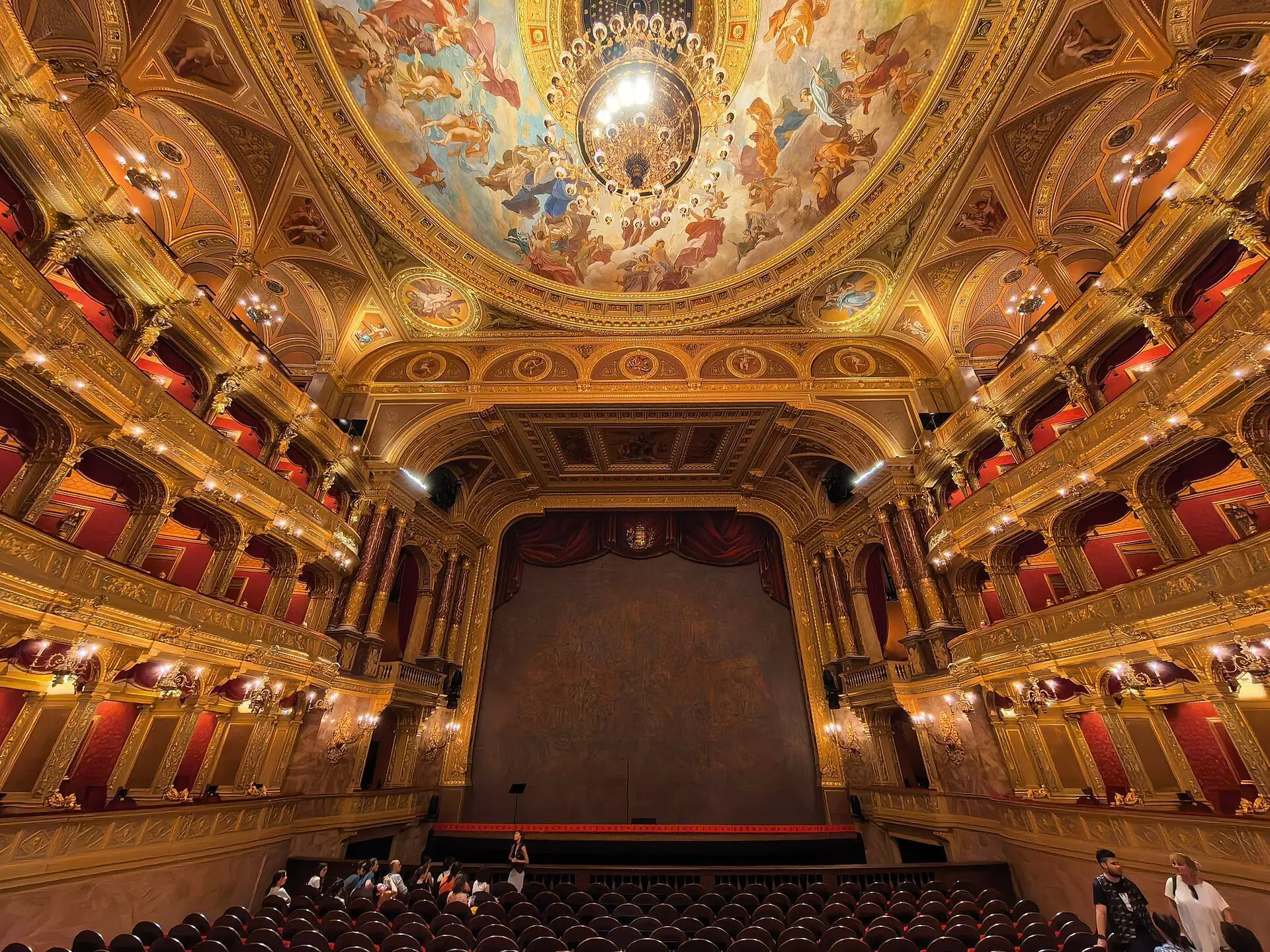
Stop at the Opera House first. Its interior is seen only on a paid tour, but the facade is the show: two marble sphinxes at the side entrances, and Alajos Strobl’s Liszt and Erkel in the niches by the door. Further out, Kodály körönd is a circus with a statue in each of its four corners and one of the avenue’s original plane trees. Oktogon, halfway, is the noisy stretch.
It takes about 35 minutes end to end without stops. The M1, the little yellow metro under the avenue, will bring you back. More in our Andrássy Avenue guide.
15. Stand under the chieftains on Heroes’ Square
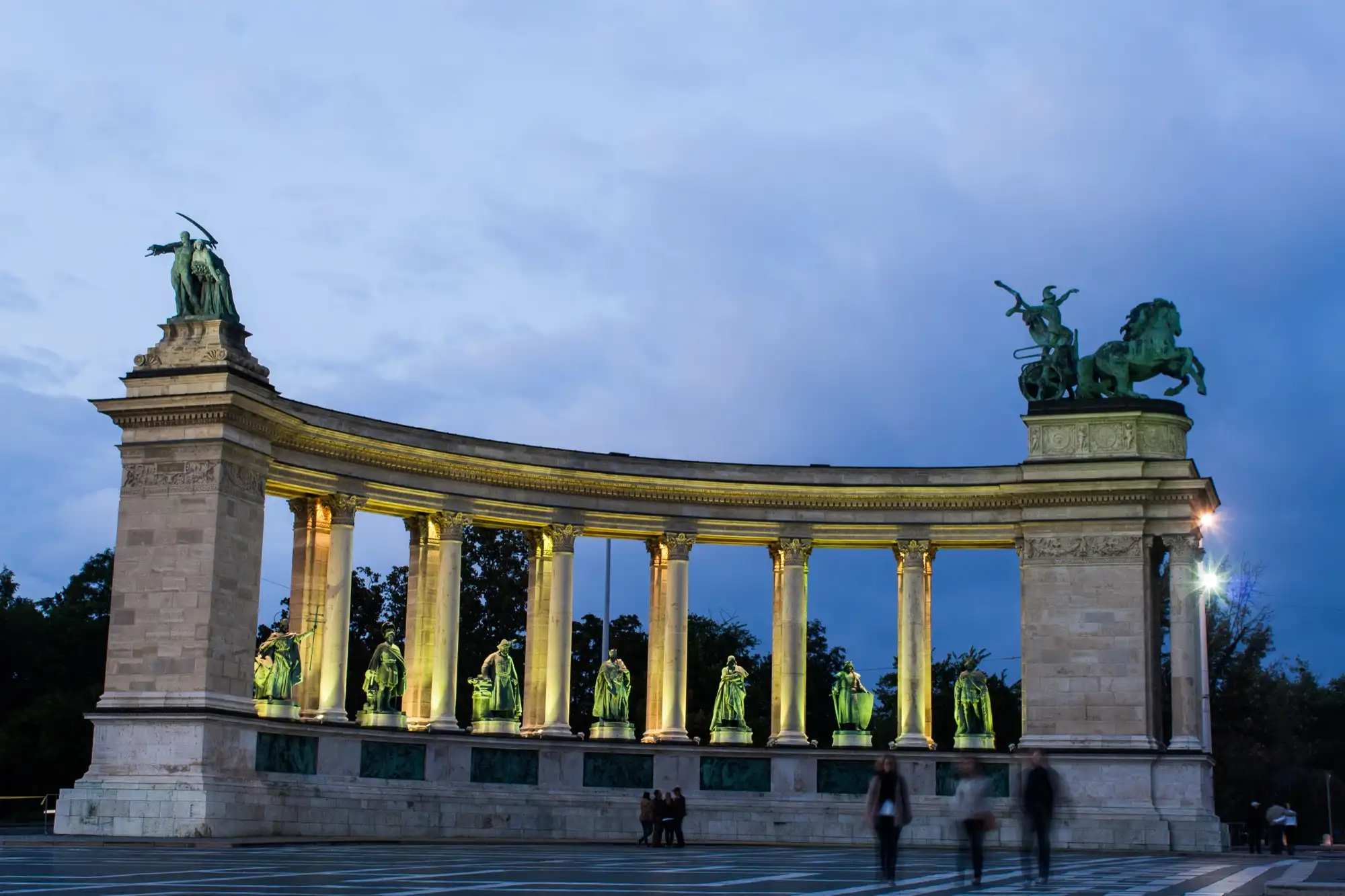
Heroes’ Square is open and free at any hour. At its centre the Millennium Monument’s 36-metre column rises over the seven chieftains who led the Magyars into the Carpathian Basin, on horseback at its foot. Behind, two curved colonnades hold 14 more figures from Hungarian history, and the stone slab in front is the Heroes’ Memorial Stone, which serves as Hungary’s tomb of the unknown soldier, though it holds no remains.
The Archangel Gabriel came off the top of the column at the end of 2024 to be restored. Until he goes back up, a free full-size replica stands in the City Park Visitor Centre a few minutes away (entry 16), and you can stand right next to a figure made to be seen from 36 metres below.
There is no shade on the square. Come early in the day, or after dark when the monument is floodlit. More in our Heroes’ Square guide.
16. Climb onto the roof of the Museum of Ethnography
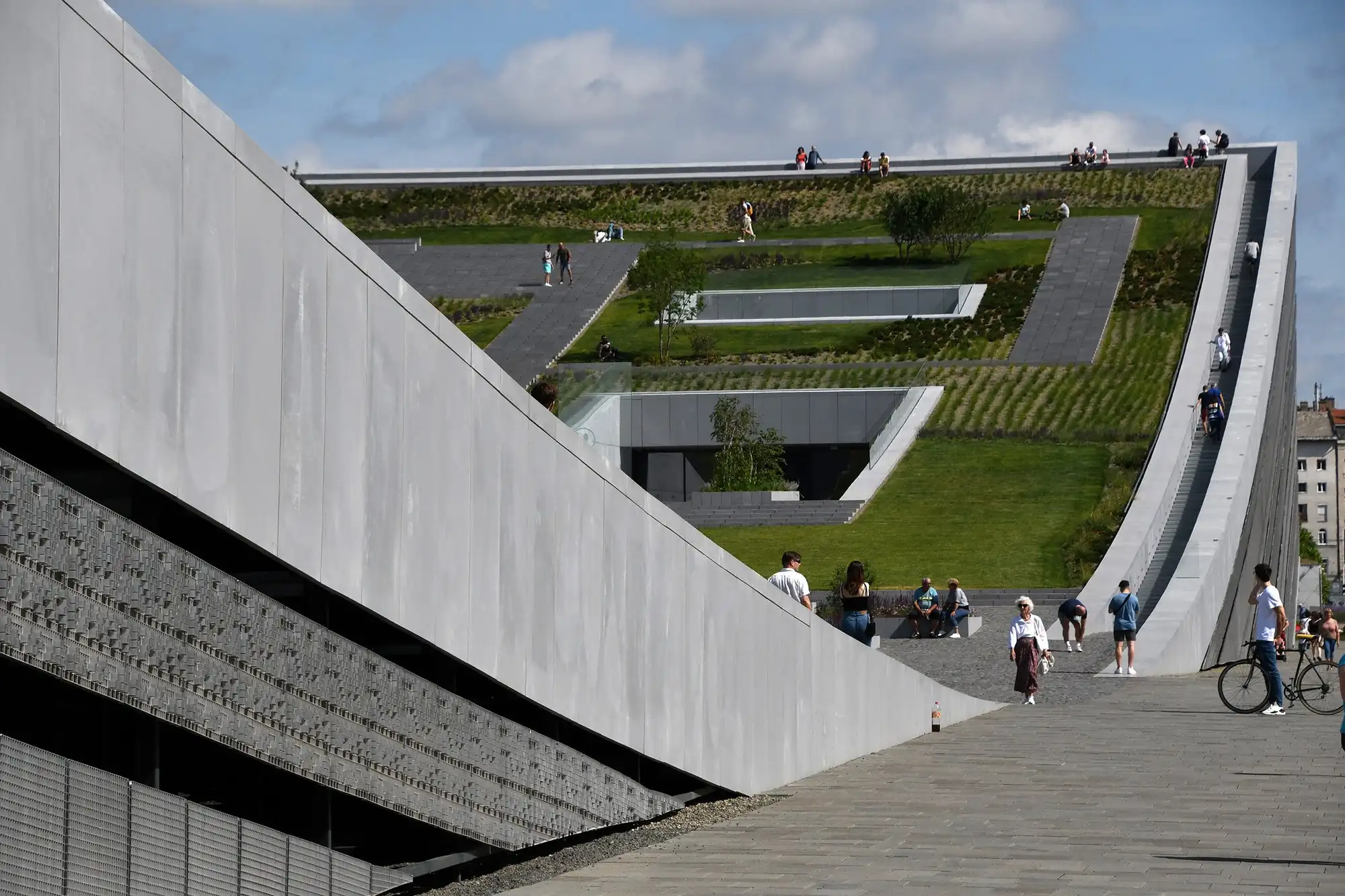
The Museum of Ethnography on the edge of City Park has a planted roof over 7,000 square metres in size, and it is open to anyone, at any hour. Walk up the steps along the curved edges of the building and the top gives you City Park on one side and Heroes’ Square on the other. You reach it from outside; there is no way up through the museum.
Two free exhibitions sit inside. The Ceramics Space displays about 4,000 ceramic objects along the museum’s stairs, and is closed on Mondays. In the wing facing Heroes’ Square, the City Park Visitor Centre has a 55-square-metre model of turn-of-the-century Budapest, with 6,398 buildings, four bridges and 8,028 trees, which you explore through tablet-driven telescopes. The full-size Archangel Gabriel is here too.
The museum’s Heroes’ Square entrance has steps; the lift is at the Damjanich utca entrance. More on the park in our City Park guide.
17. Walk into the House of Music in City Park
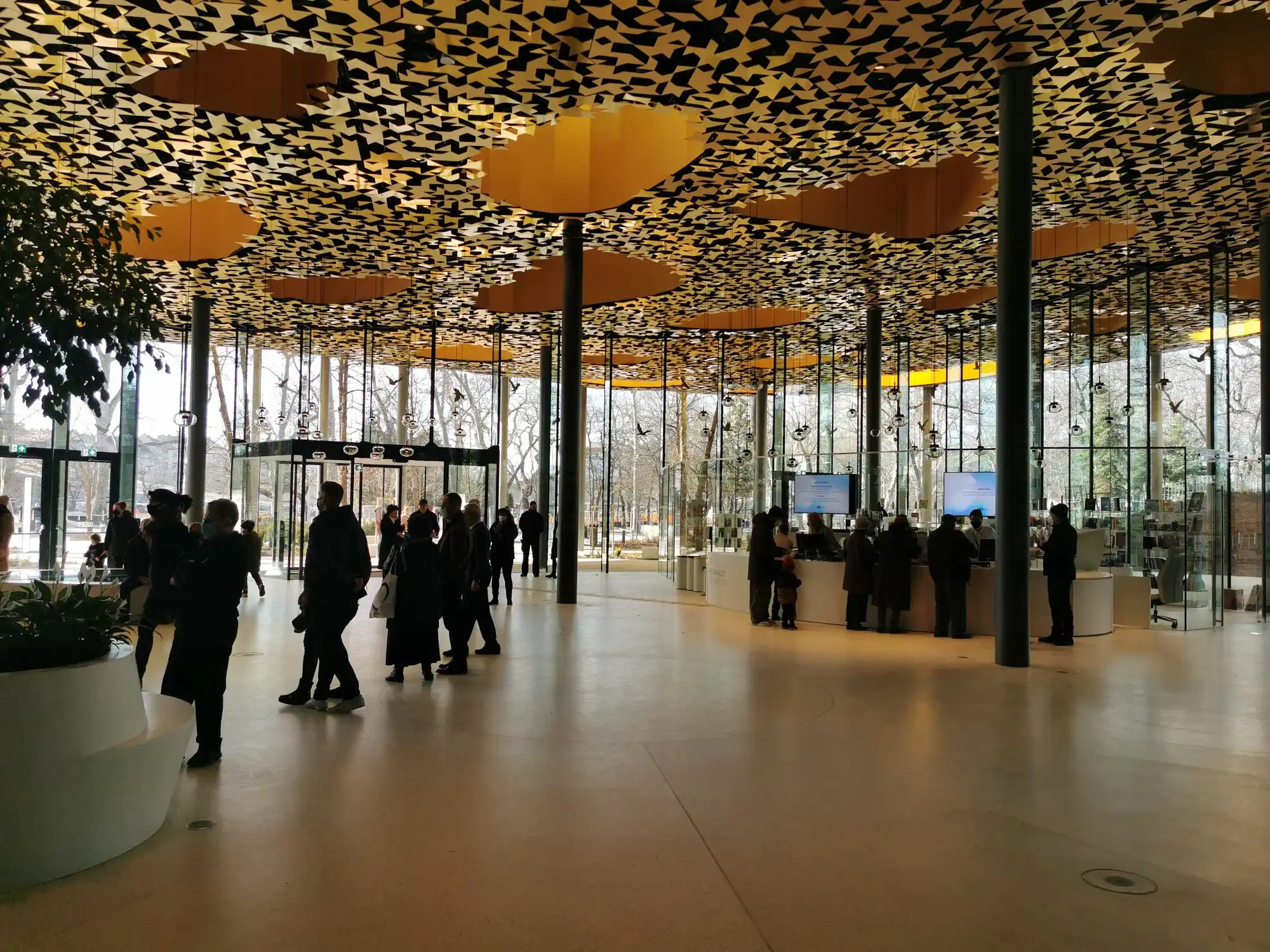
Sou Fujimoto’s House of Music Hungary is the most striking new building in the city, and you can walk in for nothing. The ground floor is walled in glass, and the roof floating over it is pierced by exactly 100 round holes. You only pay for the concerts and the exhibitions upstairs.
Come for the building and stay ten minutes. The stepped seating to the right of the entrance is where people stop. It is closed on Mondays and opens at 10:00 on other days, and it is accessible to people with reduced mobility.
18. Explore Vajdahunyad Castle and City Park
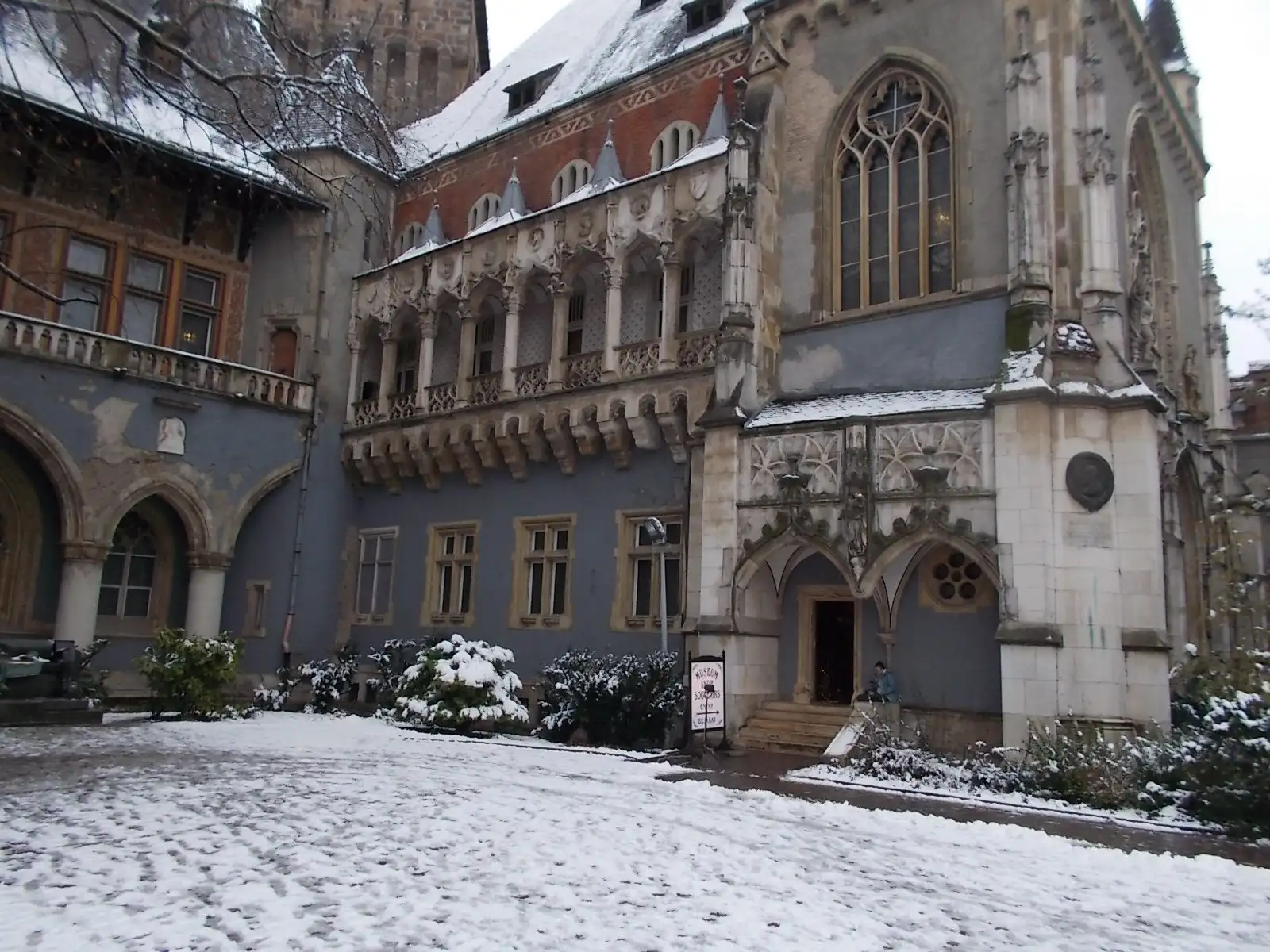
Vajdahunyad Castle looks a thousand years old and was built for the 1896 millennium celebrations. Ignác Alpár stitched it together from copies of real Hungarian buildings, Romanesque, Gothic, Renaissance and Baroque, so the church portal you pass is a copy of the one at Ják. Walking up to the castle and round it costs nothing. The Agricultural Museum inside and the towers charge.
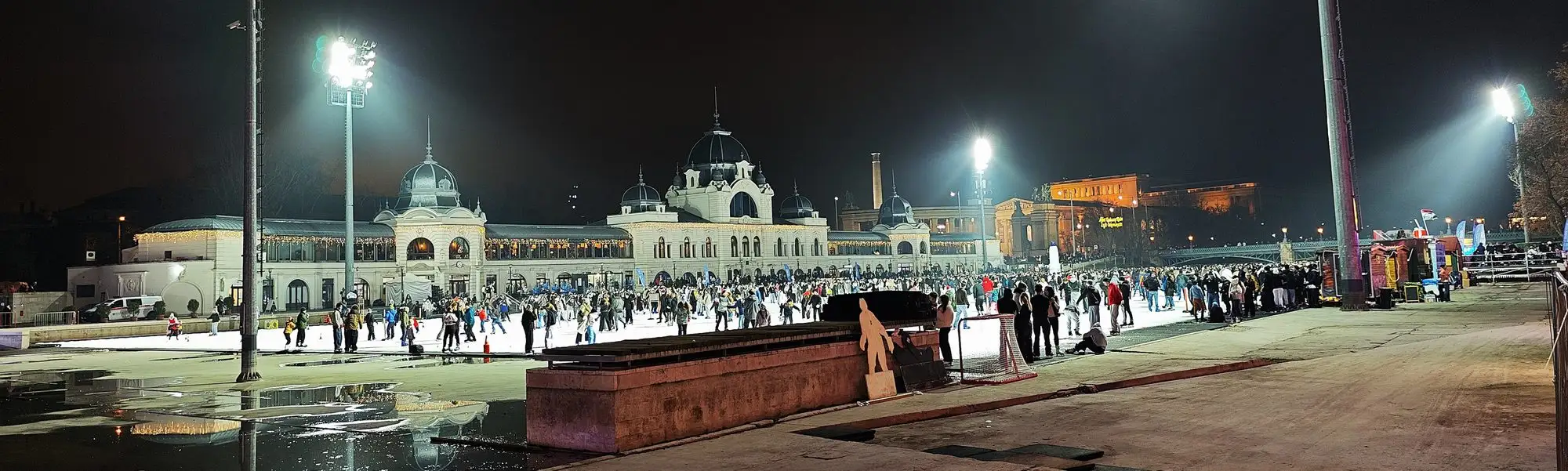
In the courtyard sits the hooded statue of Anonymus, the medieval chronicler with no name. His pen is rubbed bright by visitors touching it for luck. The lake in front is for boating in summer and becomes the ice rink from November.
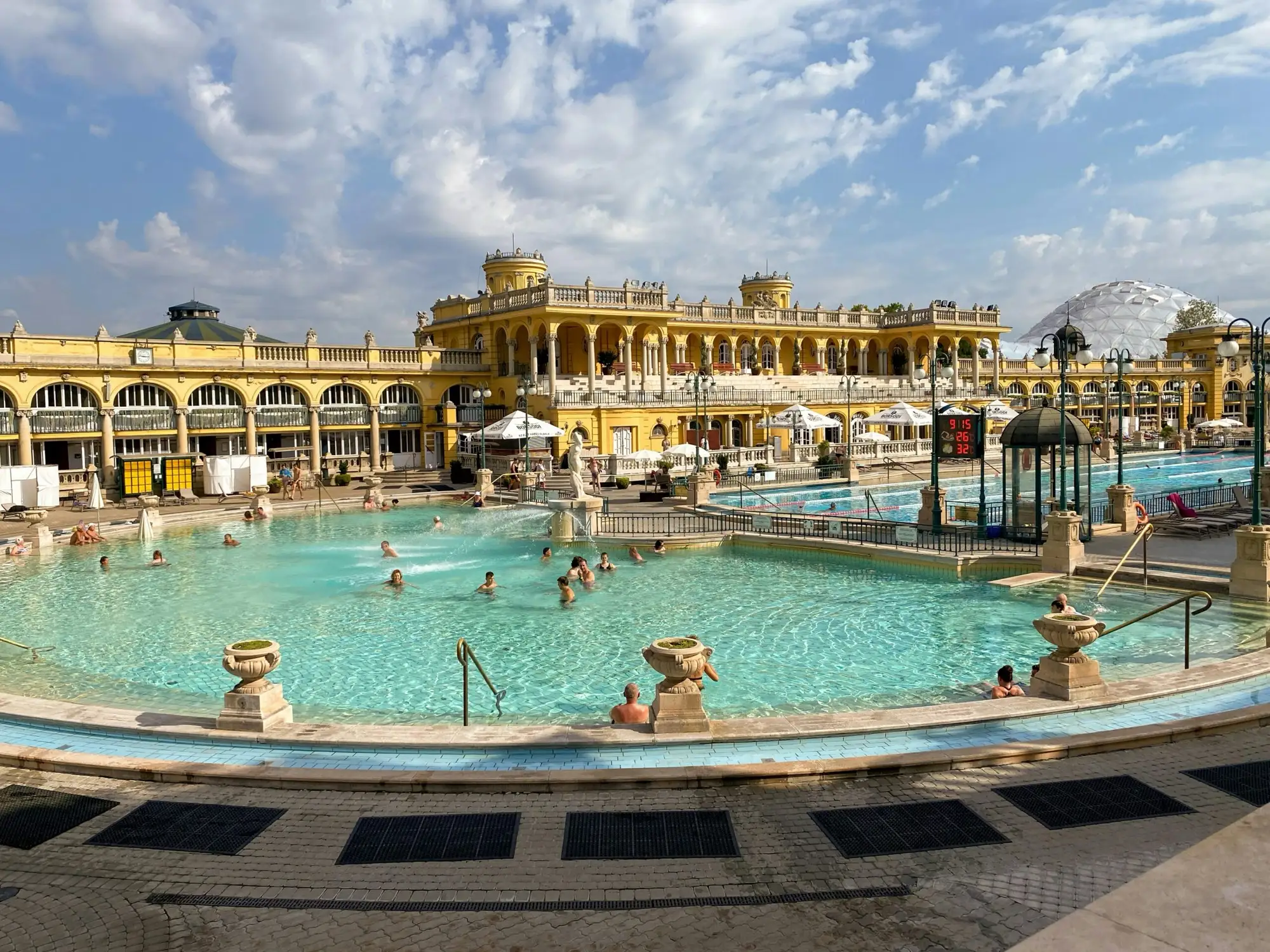
The rest of City Park is 100 hectares with no gate and no closing time. The Main Playground covers 13,000 square metres and is open every day from 8:30 to dusk, and the football, basketball and volleyball courts and the outdoor gym are free to use. The outside of Széchenyi Thermal Bath is at the north end.
19. Walk through the old Jewish Quarter
District VII was the heart of Jewish Pest, and in 1944 part of it became the ghetto. Walking it costs nothing, though the synagogues charge. Start at the Dohány Street Synagogue, inaugurated in 1859 and the largest in Europe, whose twin onion domes and street front cost nothing to look at.
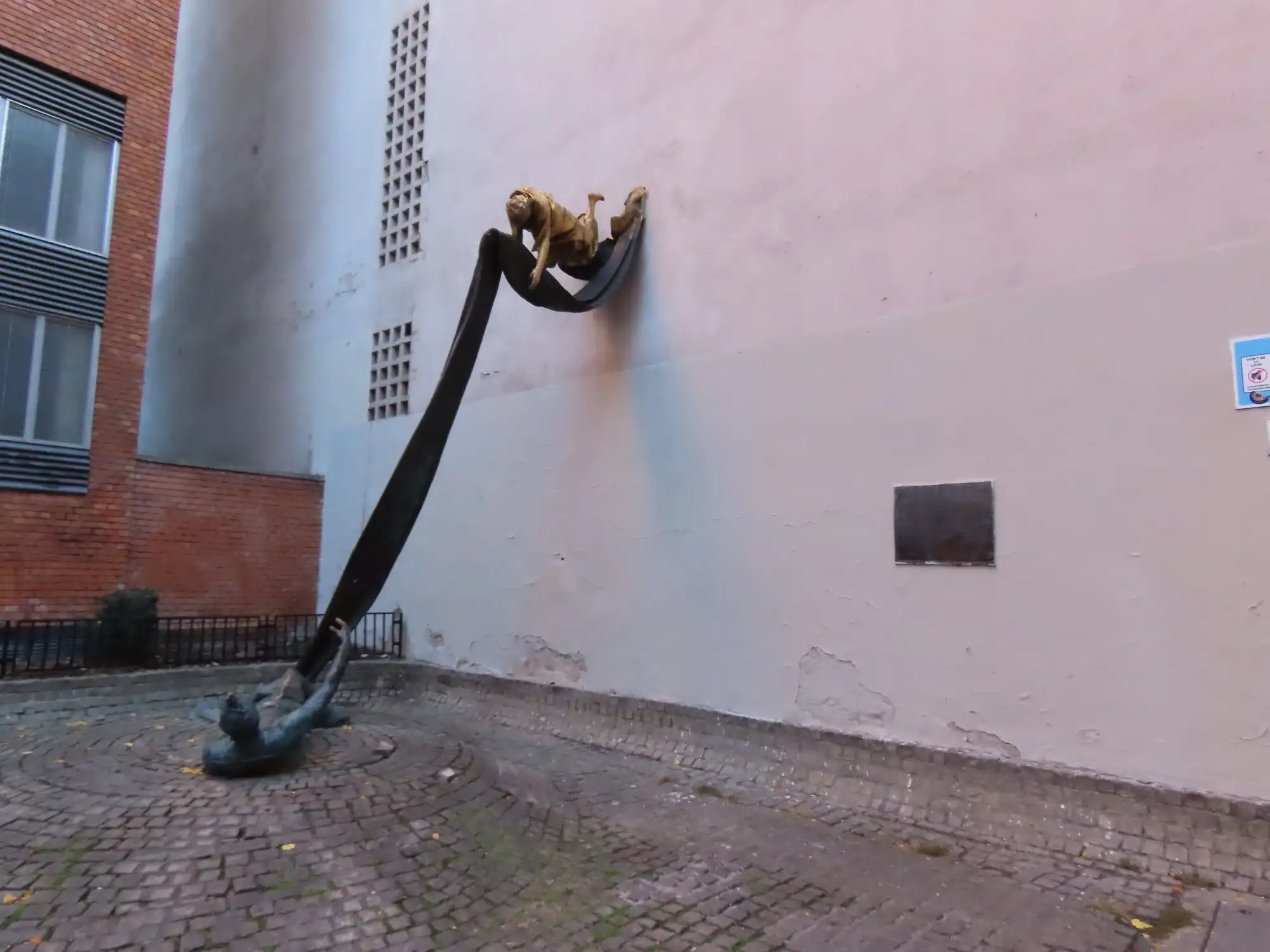
From there walk up Rumbach Sebestyén utca past the Rumbach Street Synagogue, then along Dob utca to the Carl Lutz memorial, Tamás Szabó’s gilded figure leaning from the wall to lower a long cloth to a man lying on the cobbles. Lutz, the Swiss vice-consul, protected tens of thousands of Jews in 1944, and the memorial stands near a former entrance to the ghetto. It is open at all times.
Cut through Gozsdu udvar, the chain of courtyards between Dob utca and Király utca, to finish. This is still a living Jewish neighbourhood, and the synagogues close on Saturdays. More in our Dohány Street Synagogue guide.
20. Hunt for the murals in District VII
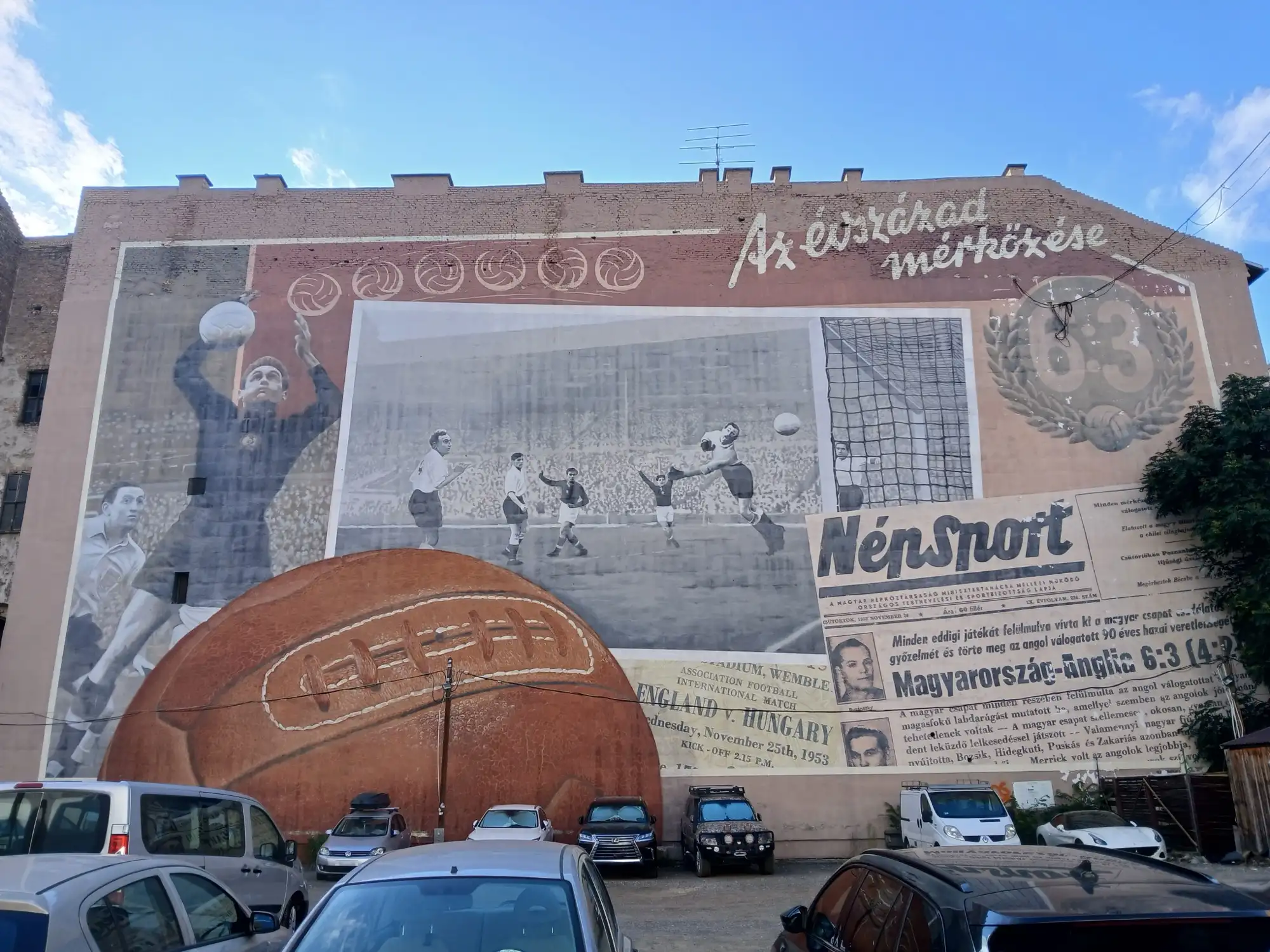
The bare firewalls of District VII’s apartment blocks carry the city’s best murals. Start on Rumbach Sebestyén utca. At number 10 is “The legendary 6:3”, the 1953 match at Wembley where Hungary beat England, painted over the whole wall, with a portrait of Empress Sisi on the other side of the same building. At number 5 is a Rubik’s Cube made of dots, which only resolves into a cube from a distance.
From there, Ángel Sanz Briz, the Spanish diplomat remembered as the Angel of Budapest, looks down from Dob utca 4. A girl painted for World Refugee Day is in Gozsdu udvar, a map of the quarter’s bars covers Kazinczy utca 55, and the district’s tailors are at Akácfa utca 41. Polish artist FINER’s crocodile, with Warsaw and Budapest skylines, went up on Akácfa utca 27-29 in 2025.
Walls change. Murals get painted over and new ones go up, so treat this as a route, and look up at every gap between buildings.
21. Look round Szimpla Kert by day
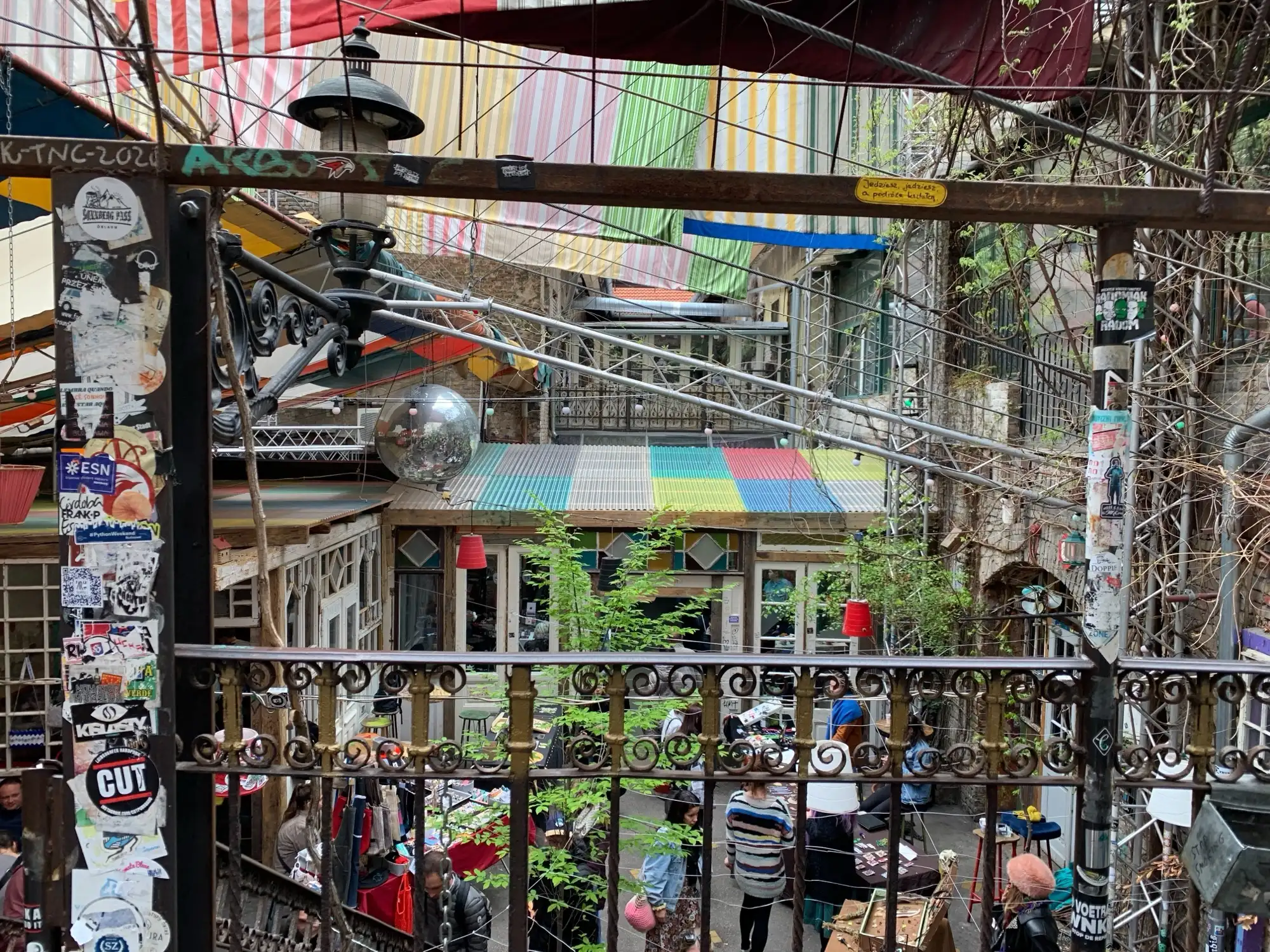
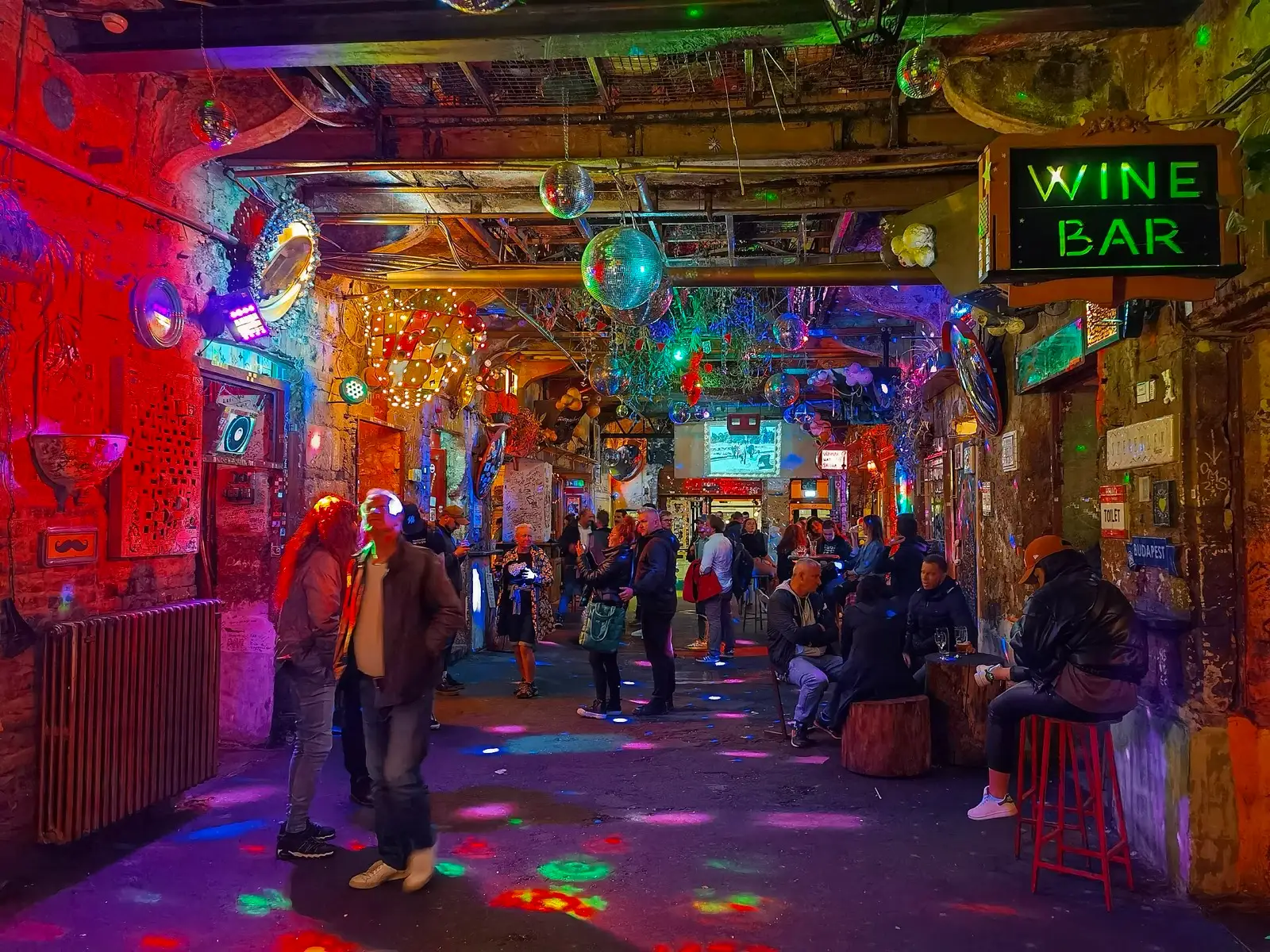
Szimpla Kert, the best known of the ruin bars, is free to walk into. You pay for what you drink, and nobody minds if you just look round. At night it is packed. In the daytime you can actually see what it is, an old apartment building and its courtyard with every room filled with mismatched furniture and junk turned into art.
On Sunday mornings it becomes a farmers’ market, with local producers selling from stalls in the courtyard, a quieter side of the place.
If you want the ruin bars at night, our ruin bars guide has the rest.
22. See the memorial wall at the Holocaust Memorial Center
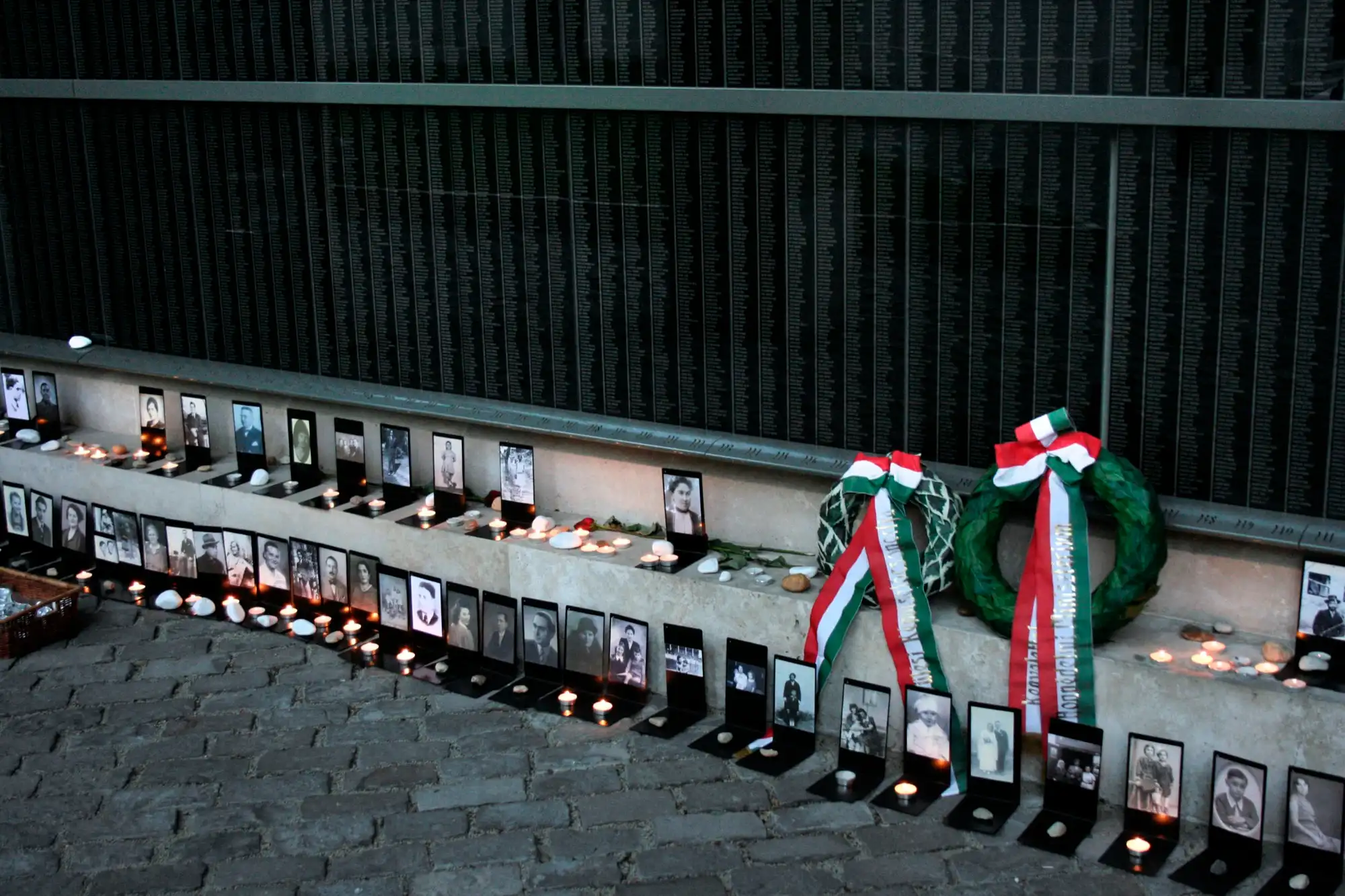
The Holocaust Memorial Center on Páva utca has a courtyard you can enter without a ticket. In it are the Memorial Wall of Victims, carrying the names of Hungarian Jews murdered in the Holocaust, and the Tower of Lost Communities.
The exhibition inside charges, except on 15 March, 20 August and 23 October, when it is free to everyone. The centre is open from 10:00 to 18:00 and closed on Saturdays. It is in District IX, outside the main tourist circuit, and worth the detour.
23. Find Kossuth and Deák in Fiumei Road Cemetery
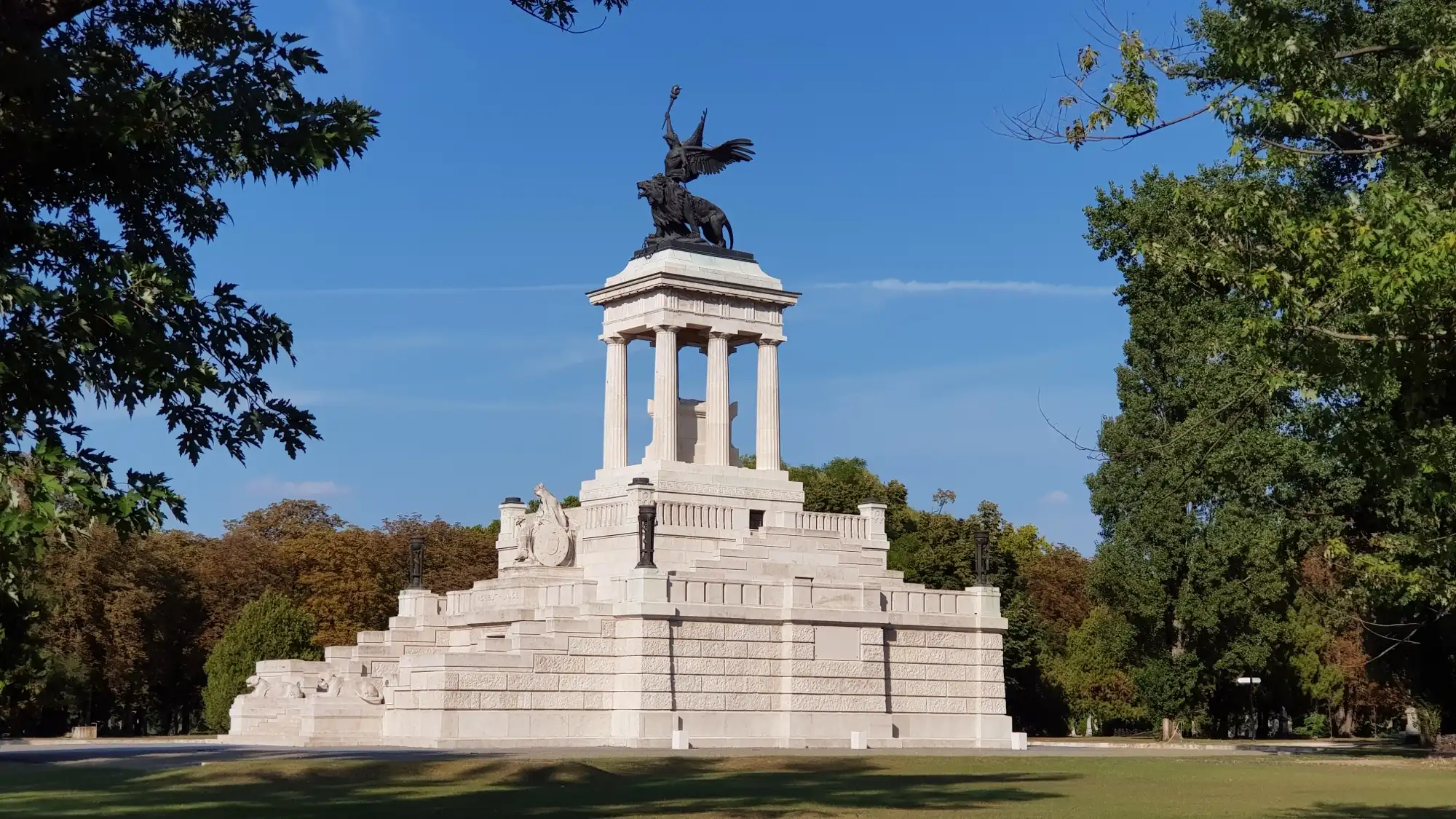
Fiumei Road Cemetery is Hungary’s national pantheon, 56 hectares of tree-lined avenues where the country buries the people it most wants to remember, and anyone can walk in free. It opened in 1849 as Pest’s public cemetery and is the only cemetery in the country that is a national memorial in its entirety.
The three great mausoleums belong to Lajos Batthyány, the first Prime Minister, Ferenc Deák, and Lajos Kossuth, whose tomb, finished in 1909, is the largest in Hungary. The mausoleums open only on guided walks, but the writers Mór Jókai and Endre Ady, the poet Attila József and the painter Mihály Munkácsy are all here in the open. Pick up the free English map at the information point by the entrance, or download the free Fiumei Guide app, because the layout does not explain itself. Allow two hours.
It is open every day, from 7:00 or 7:30 until 17:00 in the autumn and winter months and until 20:00 from May to July. It is a short walk from Keleti station. The Jewish cemetery on Salgótarjáni utca next door is free as well, but closes on Saturdays and from 14:00 on Fridays. Men cover their heads and women their shoulders there, and you keep to the marked paths.
24. Spend an afternoon on Margaret Island
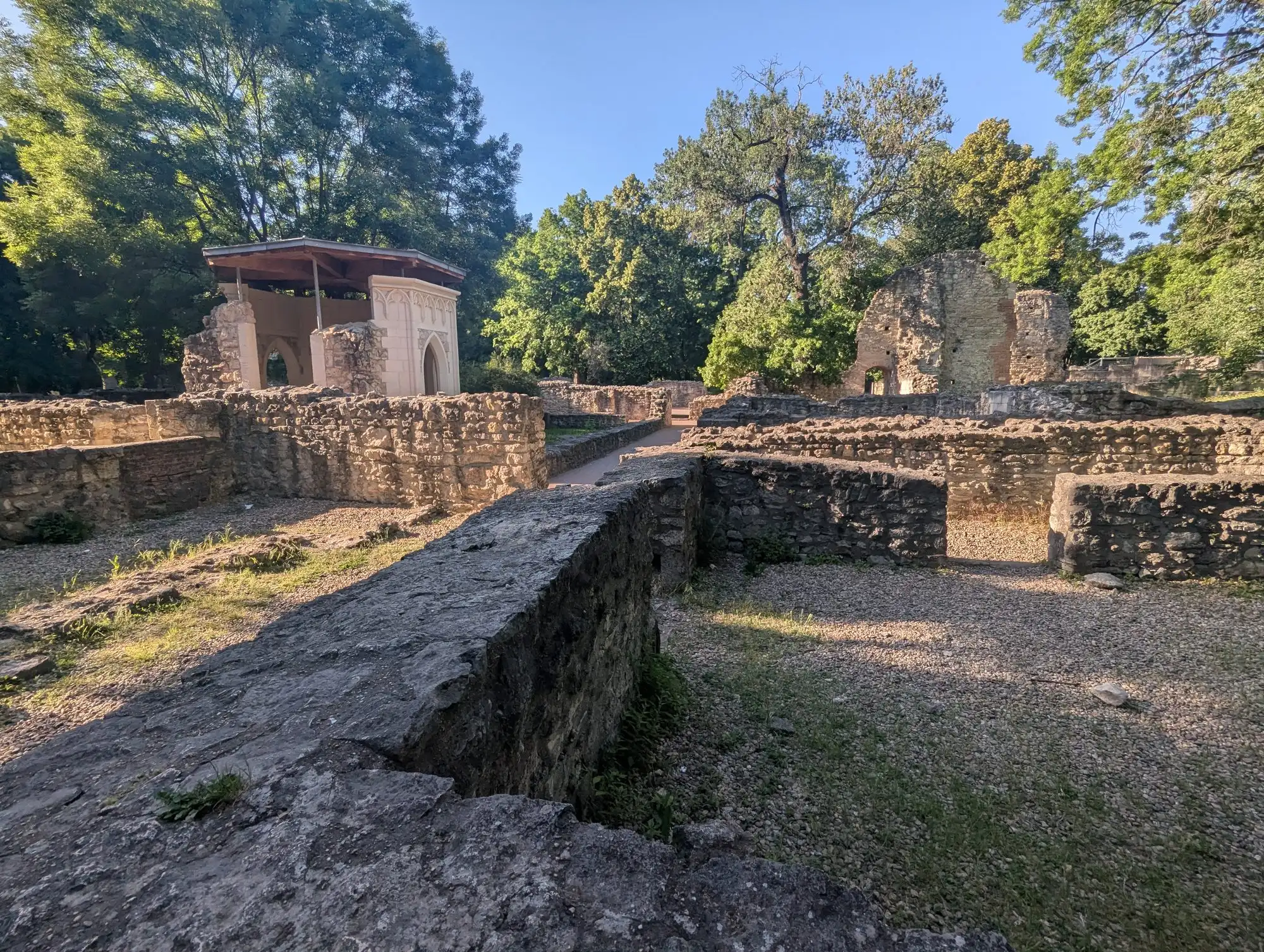
Margaret Island is the park in the middle of the Danube, 2.5 kilometres of old trees and lawns between Margaret Bridge and Árpád Bridge, free and open at any hour. It is flat all the way, which makes it the easiest green space in Budapest for a walk or a run.
In the middle stand the ruins of the Dominican convent where King Béla IV’s daughter Margaret lived from 1252, which gave the island its name. The small zoo, with fallow deer, ponies, waterfowl and injured owls and birds of prey, is free and open every day from 10:00 to 18:00 from spring to autumn, and shut in winter. The Japanese Garden is at the far northern end, and the 5.3-kilometre running loop goes all the way round.
The Musical Fountain at the southern end is shut for a rebuild and is due to play again from May 2027. More in our Margaret Island guide.
25. Take the bus up to Normafa in the Buda Hills
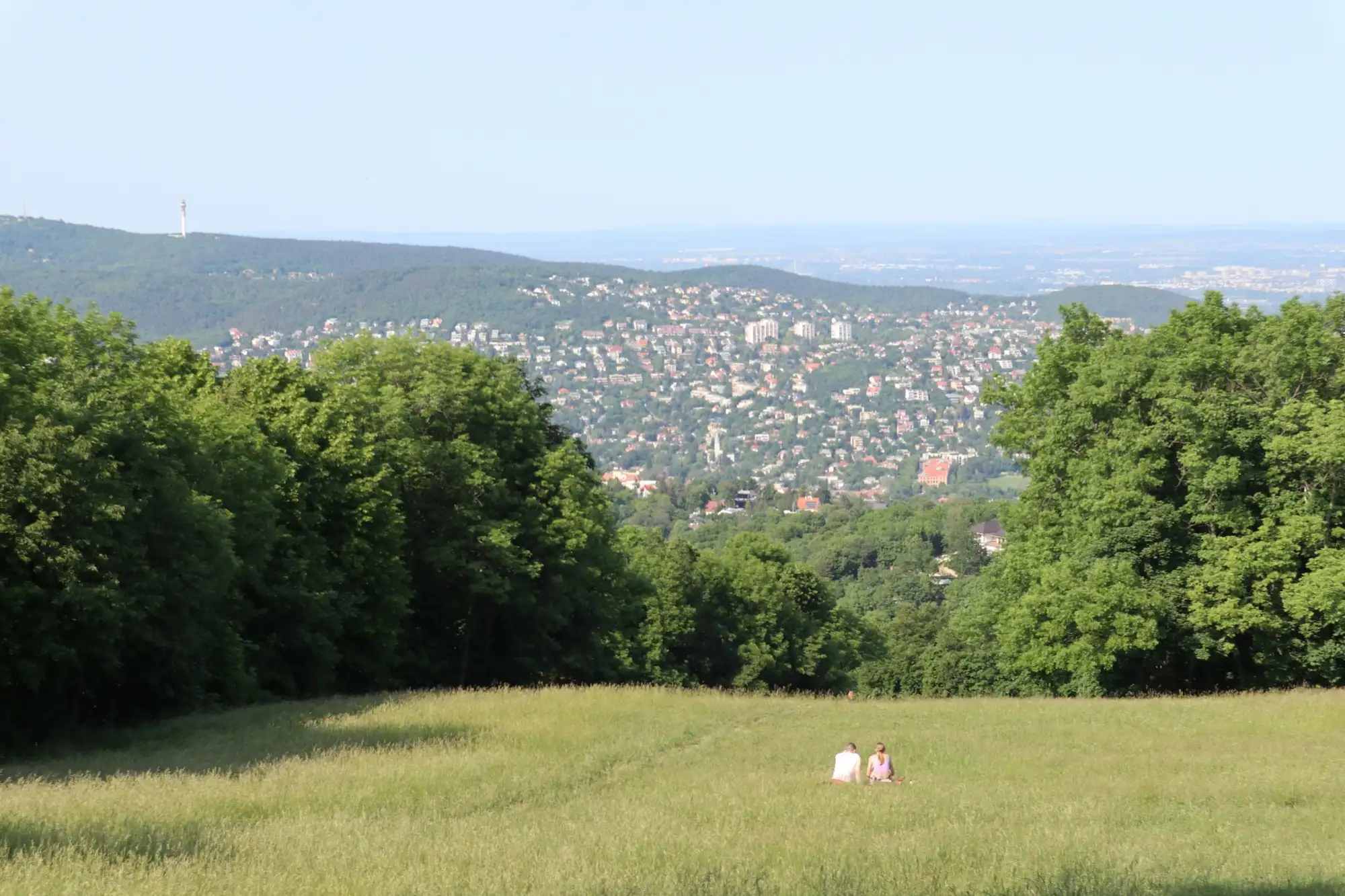
Normafa is where Budapest goes to get out of Budapest: a meadow and woods high in the Buda Hills, with the city laid out below. Bus 21 runs from Széll Kálmán tér to the Normafa visitor centre at the end of the line, so it costs one ordinary ticket, and everything after that is free.
From the meadow, walk the forest paths towards János Hill. By the top station of the chairlift there is a free viewing terrace, wheelchair-accessible, with a view back over the city almost as good as from the lookout tower above it. The Erzsébet Lookout itself, at the top of János Hill, has been closed since February 2026 and needs its upper levels taken down and rebuilt, so do not plan the walk round it.
The chairlift down to Zugliget and the Children’s Railway both charge, and standard BKK passes are not valid on either.
26. Find Roman Budapest in Óbuda
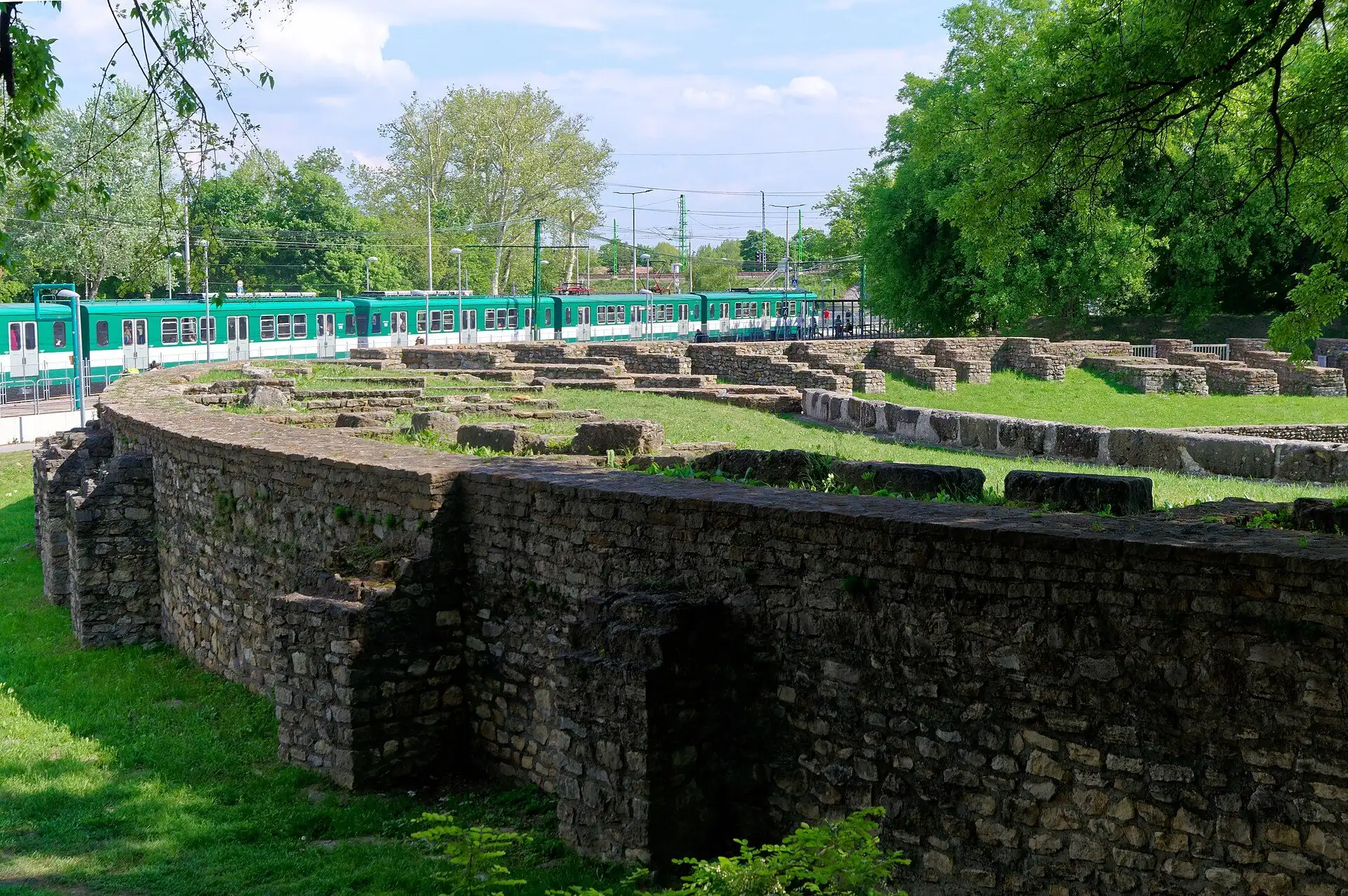
Budapest was a Roman city first, Aquincum, and its amphitheatres are still standing in Óbuda, open in the street. The Military Town amphitheatre on Nagyszombat utca is the big one. Its arena floor measured 89.6 by 66.1 metres, larger than the Colosseum’s, and it held 10,000 to 13,000 spectators. It stands open among the apartment blocks, and nobody charges you to walk round it.
From there it is a short walk to Fő tér, Óbuda’s old main square, and round the corner Imre Varga’s bronze women with umbrellas stand waiting in the street. The smaller civil amphitheatre is further out, across the road from the Aquincum Museum, by the HÉV suburban railway’s Aquincum stop. More in our Aquincum Museum guide.
27. Join a free walking tour of Budapest, and tip the guide
Budapest’s “free” walking tours cost nothing to book and nothing up front. The guide works for tips, and a tip is expected at the end if you enjoyed the tour, so treat it as pay-what-you-think-it-was-worth rather than free. As a first-day orientation they are hard to beat: two hours on foot with someone who knows where everything is.
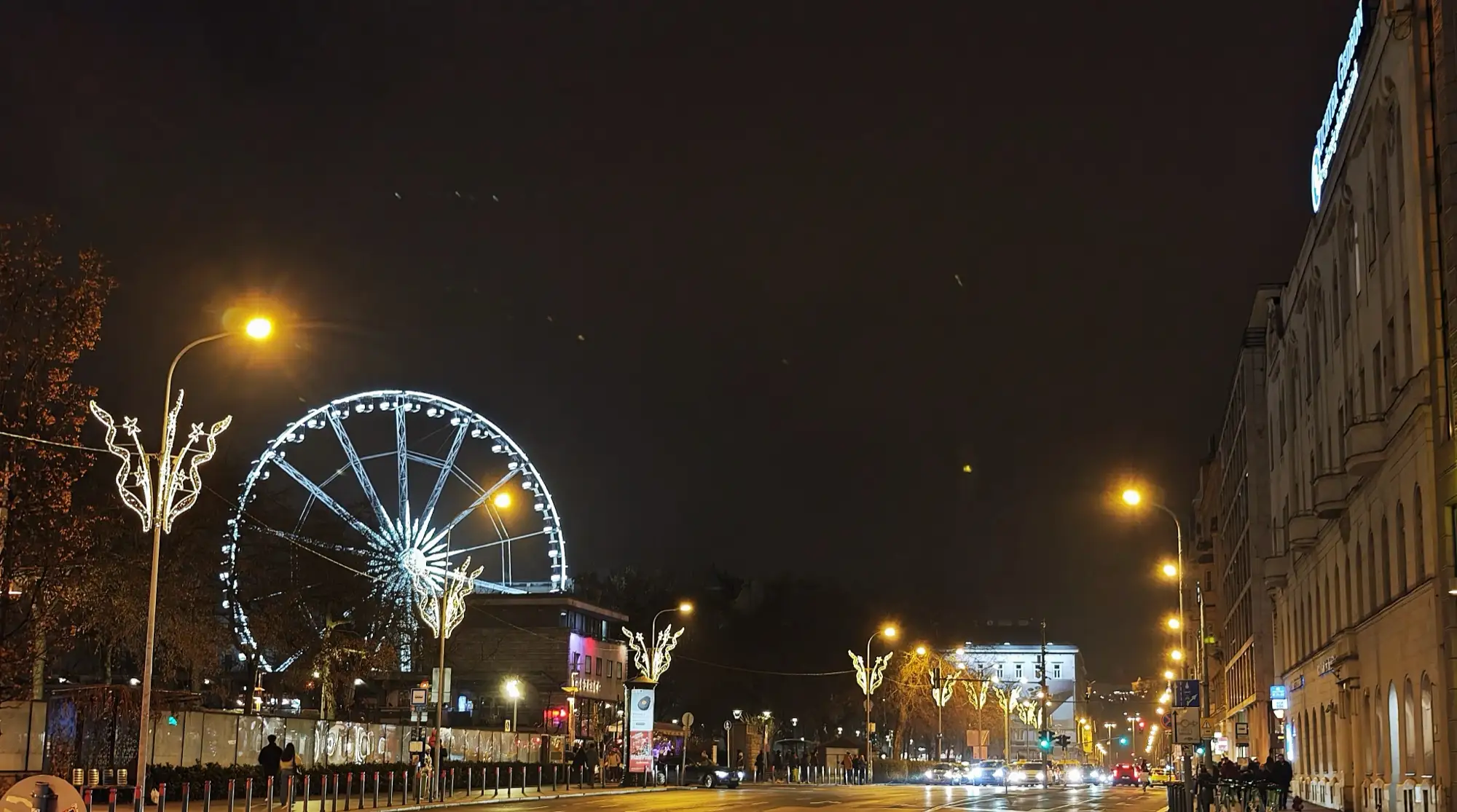
The longest-running operator is Trip To Budapest, running free tours since 2007. Its Free Budapest Tour leaves from Erzsébet tér, by the fountain about ten metres from the Budapest Eye, every day at 10:30 and 16:30, and lasts two hours. It also runs a Buda Castle tour from Batthyány tér and a Jewish District tour. Booking is not required, but it is recommended. Bring cash for the tip.
If you have the Budapest Card, two guided walks are already on it, one of Pest and one of Buda. Our Budapest Card guide has the times.
28. Visit Budapest’s museums on a free entry day
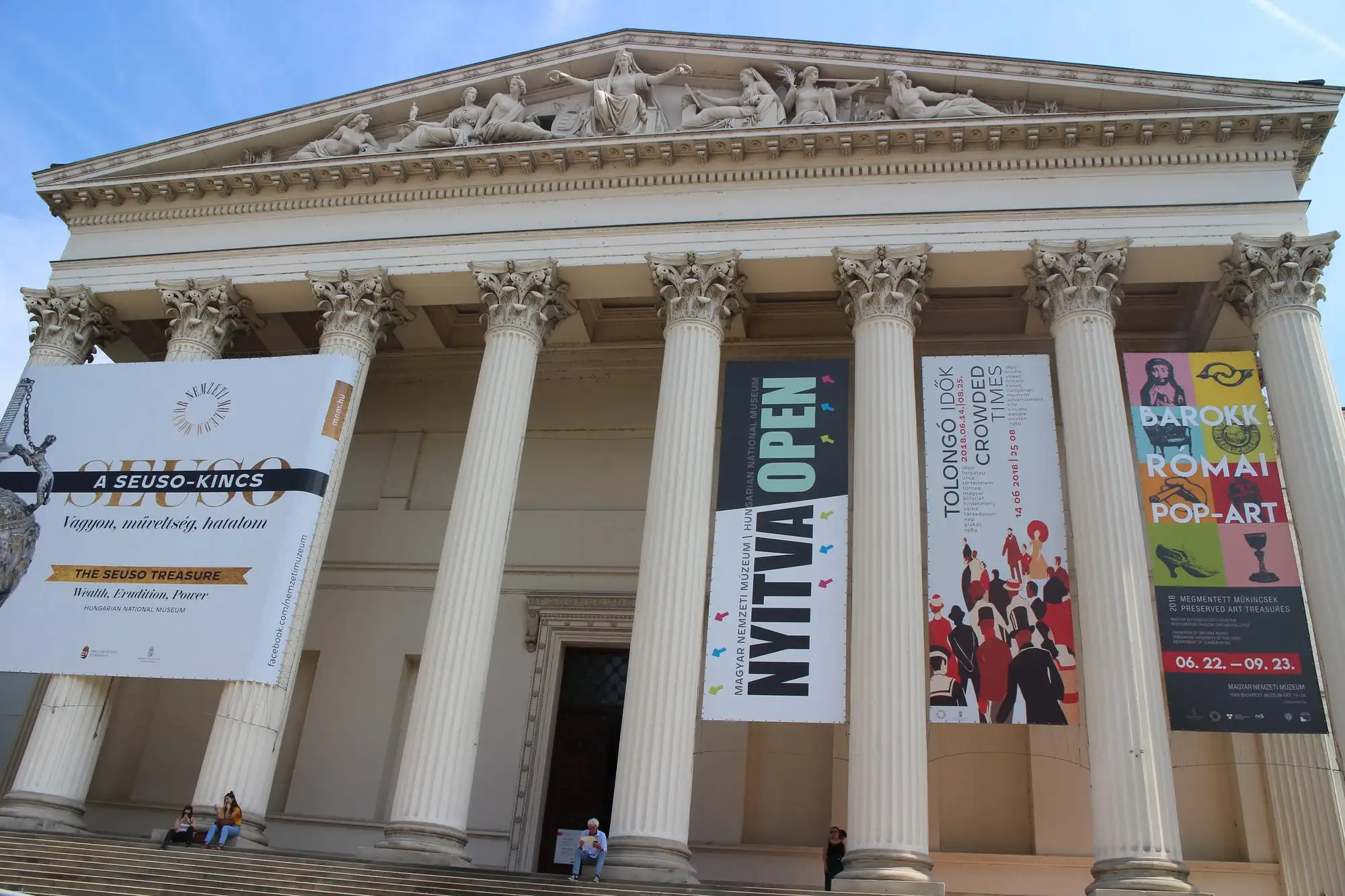
Almost every museum in Budapest charges, but Hungarian law makes three days a year free for everyone. On 15 March, 20 August and 23 October, the national holidays, every licensed museum’s exhibitions are free to all visitors, whatever their nationality. The Hungarian National Museum, the Museum of Ethnography, the Castle Museum, Aquincum and the Holocaust Memorial Center all confirm it. Expect queues, because Budapest knows it too.
The rest of the year, free entry depends on your passport. Citizens of EU and other EEA countries go free under 6 and at 70 and over. Those under 26, and up to two relatives bringing an under-18, also go free to the permanent exhibitions one weekend day a month, a day each museum picks:
- Second Saturday: the Museum of Fine Arts and the Hungarian National Gallery
- Third Saturday: the Hungarian National Museum and the Museum of Ethnography
- First Sunday: the House of Terror and the Hungarian Natural History Museum
- Last Saturday: the Budapest History Museum’s sites, including the Castle Museum and Aquincum
- Last Sunday: the Holocaust Memorial Center, for under-26s
Visitors from the UK, the US and other non-EEA countries do not qualify for the monthly days. The National Museum’s days are on our opening hours page.
Free things to do in Budapest at night
Budapest is at its best after dark, and most of it is free then too.
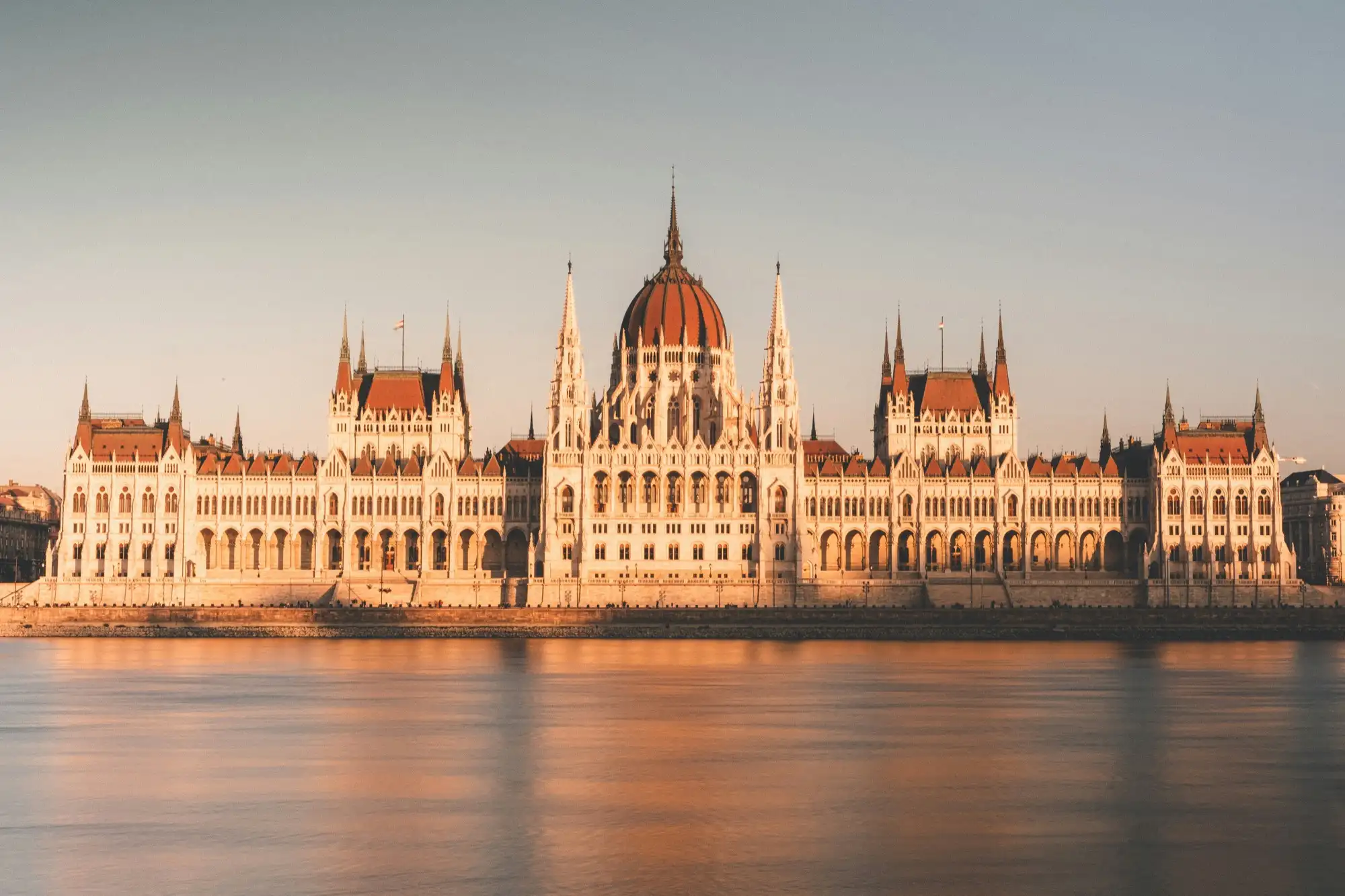
- Fisherman’s Bastion (entry 1): the upper lookout is free once the ticket hours end, at 19:00 for most of the year, with the Parliament floodlit across the river.
- The Citadella (entry 5): the park is open until midnight from April to October and until 22:00 from November to March, and the whole city is lit up below.
- The Pest riverbank (entry 8): on weekday evenings from 18:30, and all weekend, from spring to autumn, the lower quay is closed to cars.
- The Chain Bridge (entry 12): lit in warm white every night, and free to cross at every hour.
- Batthyány tér on the Buda bank, by the M2 metro: the place to see the floodlit Parliament head-on across the water. Our Parliament at night guide has the other viewpoints.
- Heroes’ Square (entry 15): the monument is floodlit, and the square is cooler and calmer than in the midday sun.
Free events in Budapest through the year
Some of the best free things in Budapest happen on one day or one weekend a year, so it is worth checking whether your dates line up.
- 15 March, 20 August and 23 October: the national holidays, when the museums are free to everyone (entry 28).
- 20 August, St Stephen’s Day: the biggest free show of the year, with a light, laser and drone show over the Danube after dark, closed by fireworks.
- Budapest100, a weekend in May: buildings that are normally shut open their doors for the open-house weekend, and the programmes are free.
- European Heritage Days, the third weekend of September: buildings usually closed to the public open free, often with guides.
- Zenélő Budapest, July: free open-air concerts at 17:00 on summer weekends, in the Csikós Court at Buda Castle, at the Castle Garden Bazaar and on the steps of the Parliament. In 2026 the series ran from 4 July to 2 August, with a last concert on 27 August.
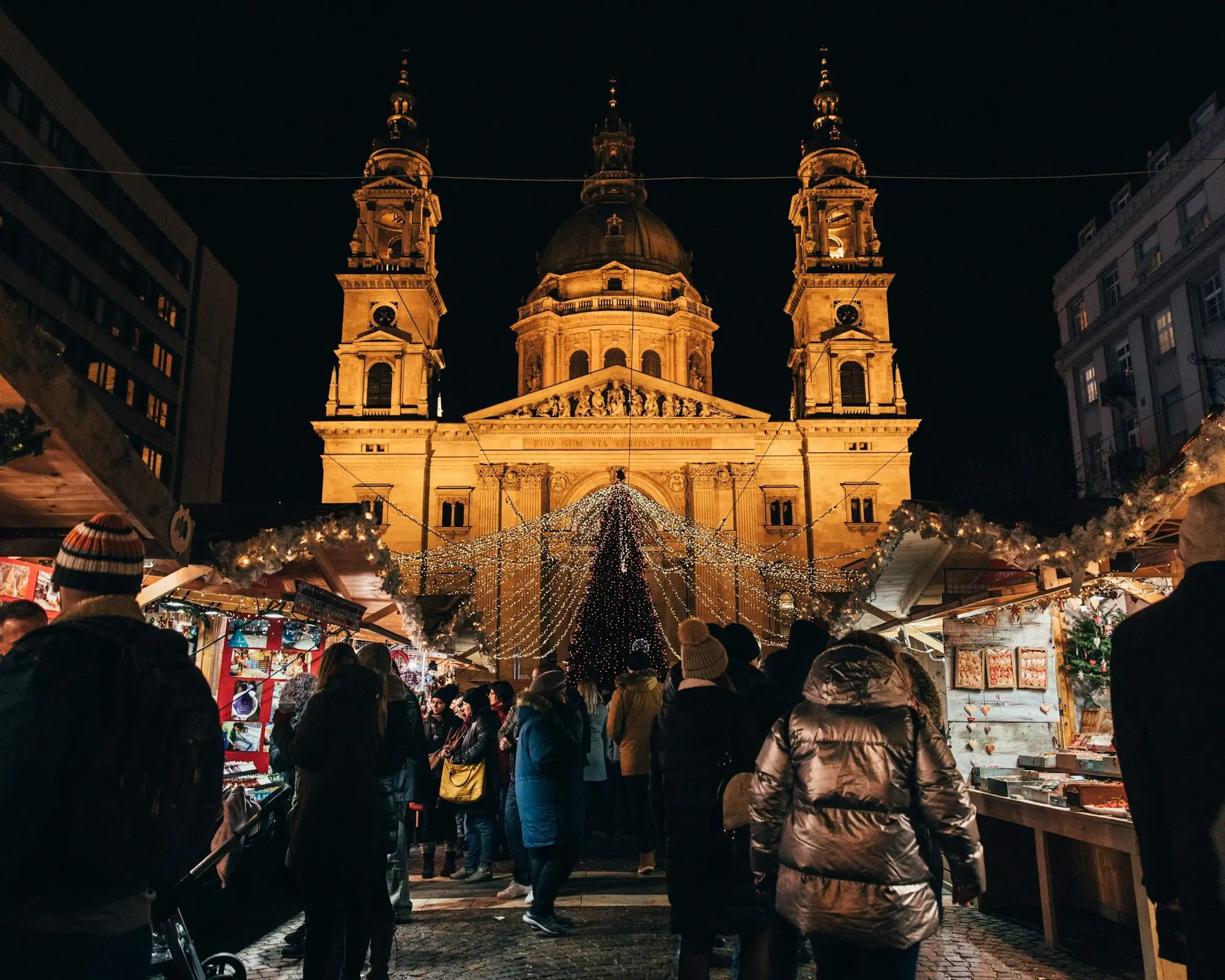
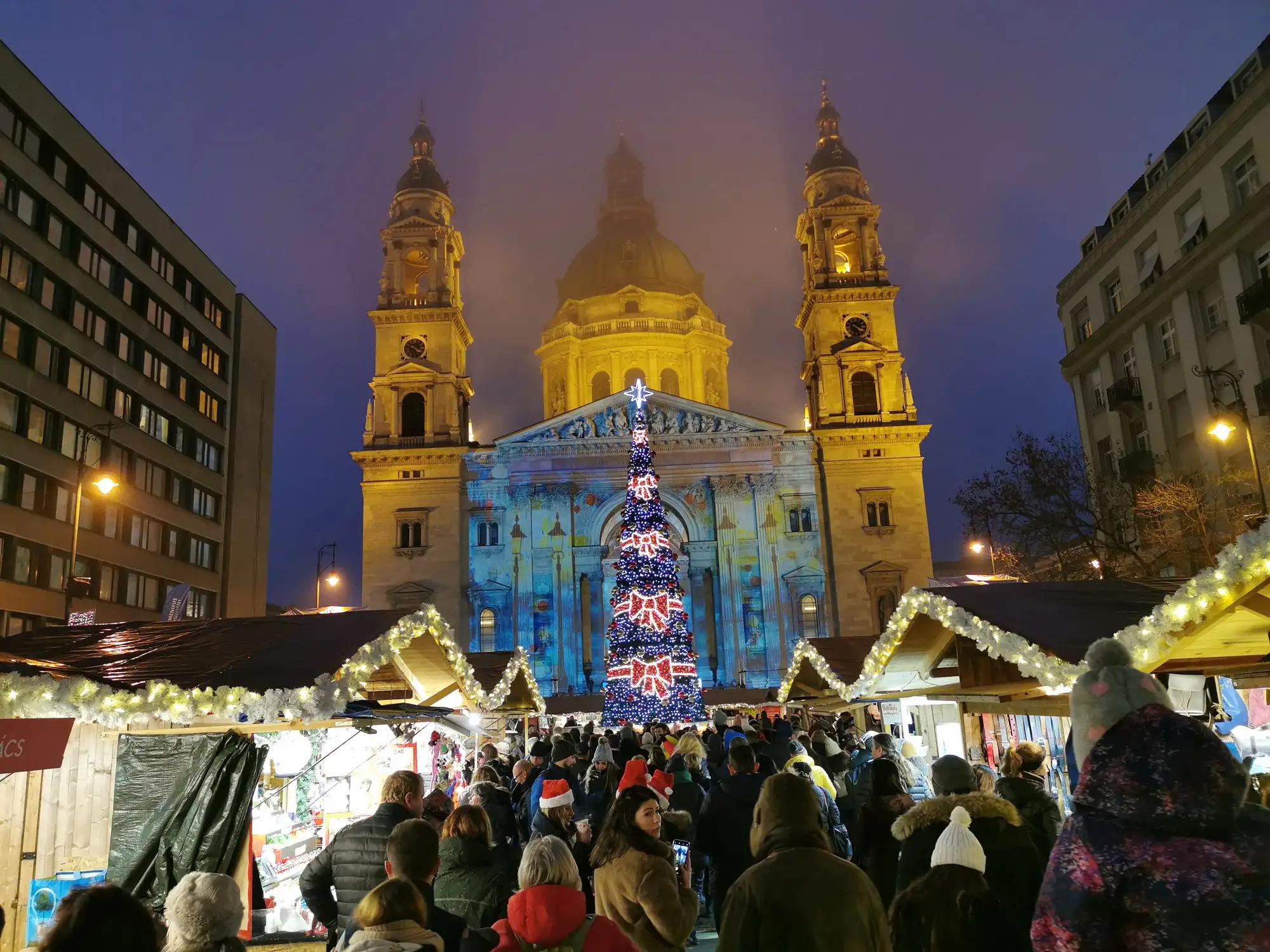
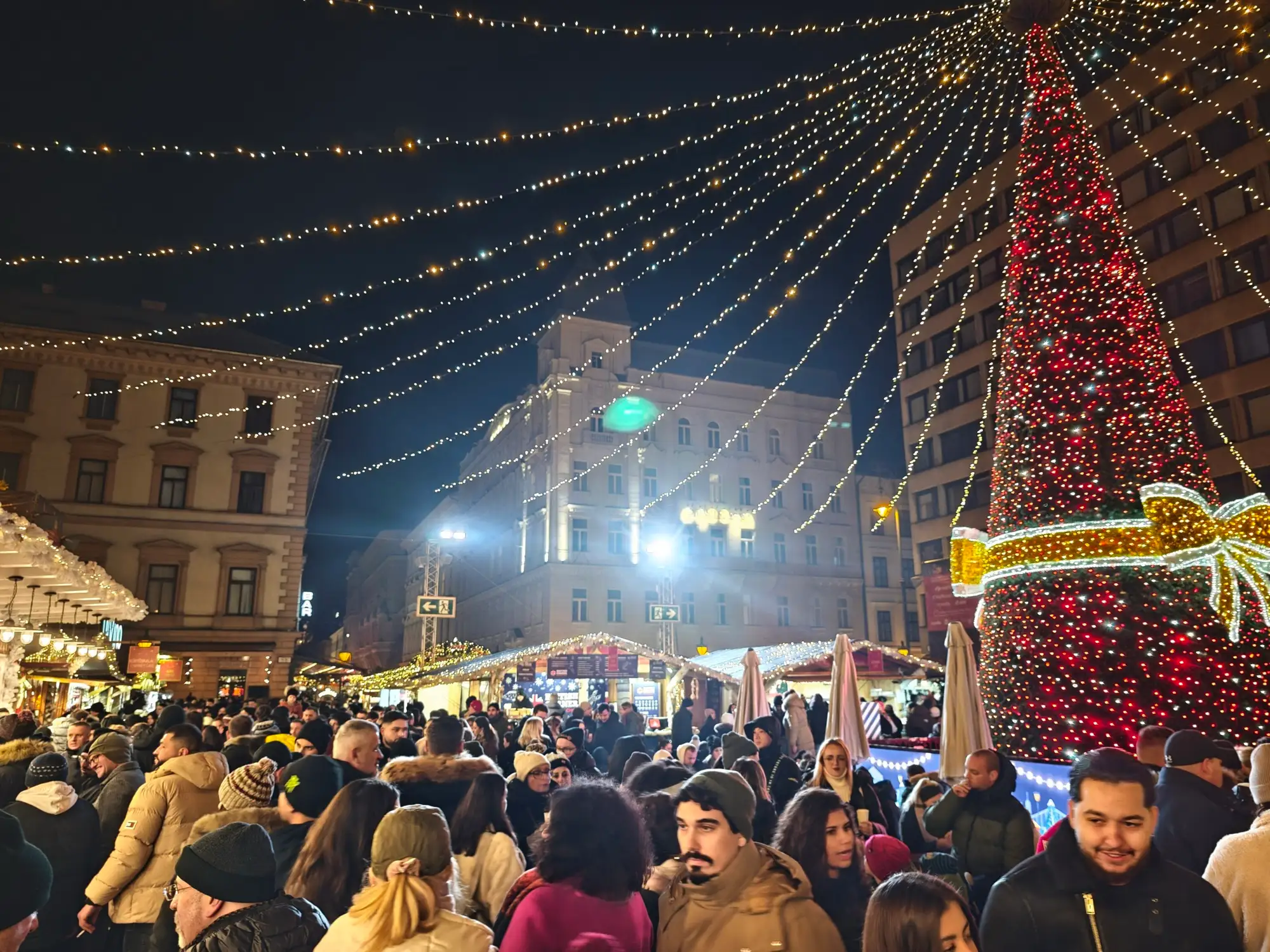
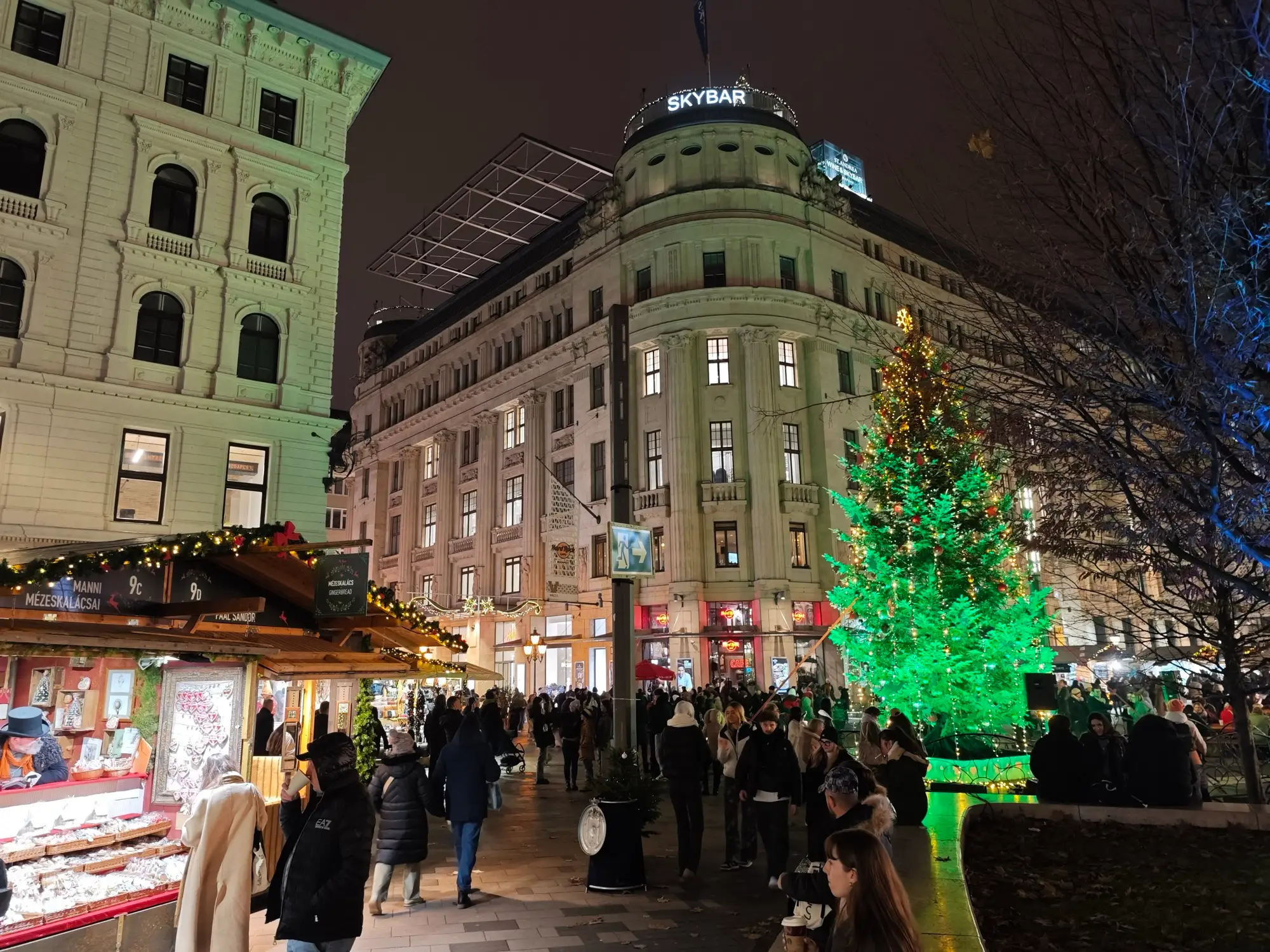
- Christmas: the markets are free to wander, and the Advent Bazilika market in front of St Stephen’s Basilica runs from 13 November 2026 to 1 January 2027. Our Christmas markets guide has the others.
For what is on while you are here, see the free events for today, this week, this weekend and this month.
What isn’t free in Budapest
Some of the sights most often called free charge for entry, and a few free ones are closed.
- St Stephen’s Basilica: every visitor needs a ticket for sightseeing, checked at the door. Mass is free: the 18:00 Saturday evening Mass and the 16:00 Sunday Mass in English are the easiest for visitors. Times are on our Basilica opening hours page.
- Matthias Church: sightseeing needs a ticket. It is free to come and pray, and to attend Mass, such as the 18:00 organ Mass on weekdays and the Latin Mass with the choir at 10:00 on Sundays. Dress covering shoulders and thighs. Our Matthias Church guide has the rest.
- The Parliament: only on a paid tour, and EU citizens get a reduced ticket, not free entry. On some national holidays the Dome Hall and the Holy Crown open free, announced shortly before, with queues of hours.
- Fisherman’s Bastion’s upper lookout in ticket hours, the Citadella’s exhibition and rooftop terraces, and the Mary Magdalene Tower all charge.
- The ghetto wall on Király utca is reached only through a paid exhibition.
- Closed: the Erzsébet Lookout on János Hill, for years, and the Margaret Island Musical Fountain, until May 2027.
- Public transport charges, except for anyone aged 65 and over, whatever their nationality, with a passport or ID card, and children under 6 with an adult. More in our Budapest transport guide.
If you only do three free things
If you do only three, make them the Citadella at sunset, Fisherman’s Bastion first thing in the morning, and the walk along the Pest riverbank to the Shoes on the Danube and the Parliament at dusk. Together they give you the whole city, from above and from the water, for nothing. On a wet day, book the Money Museum. If your trip covers 15 March, 20 August or 23 October, plan your museums round it.