Budapest itineraries
However long you've got in Budapest, one of these plans fits it, with the times, where to eat and the few things worth booking.
How many days in Budapest?
Three, if you can choose. One day still gets you the best of the city, two give you time for more of it, and with a week you can spend some days outside it.
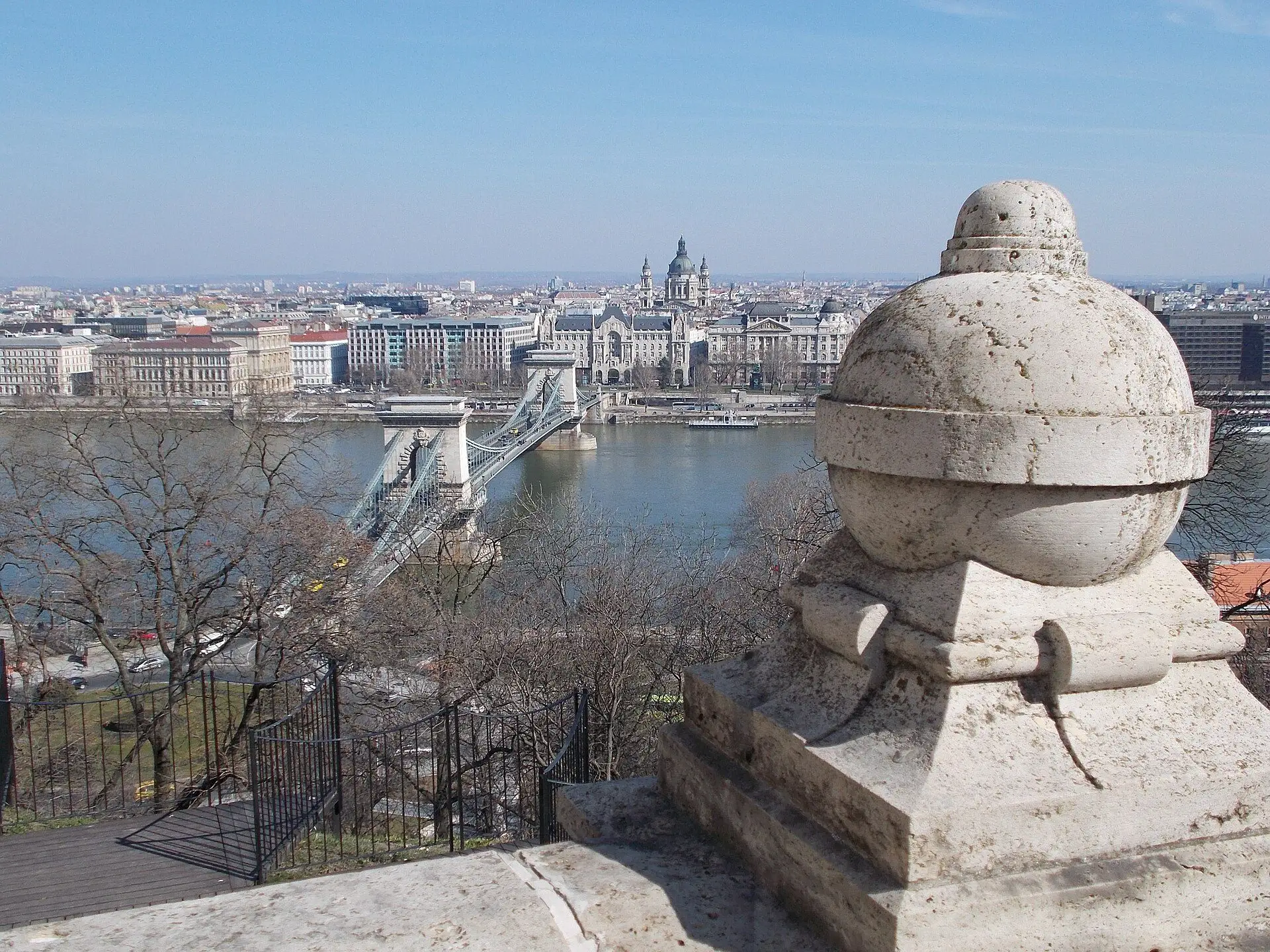
One day in Budapest
A stopover or your one free day: Castle Hill early, the Parliament, the Basilica, Széchenyi at dusk and the river at night.
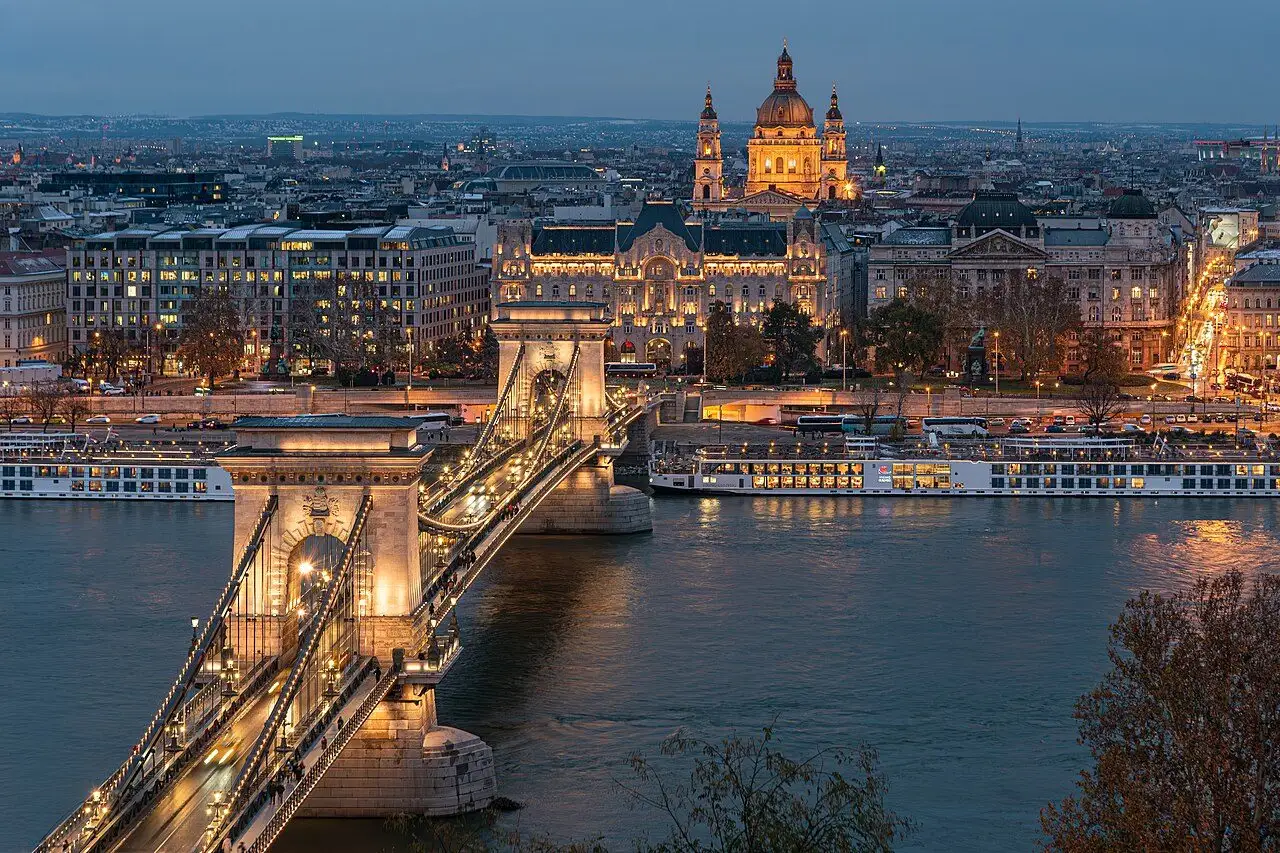
A weekend in Budapest
Two days, or a Friday to Sunday break, planned round what closes at the weekend.
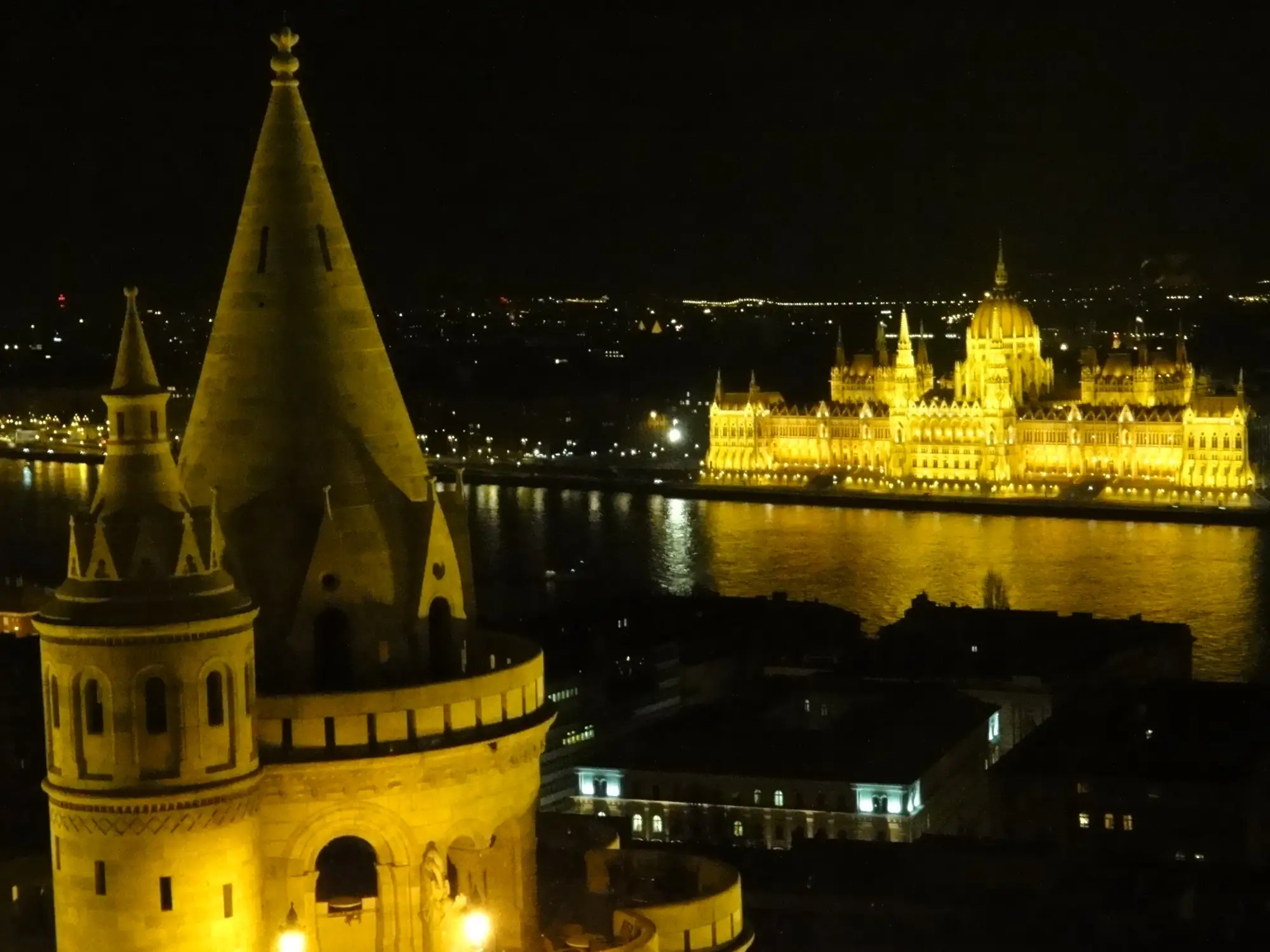
Three days in Budapest
Your first proper visit, at a pace you can enjoy. If you can choose how long to stay, choose this.
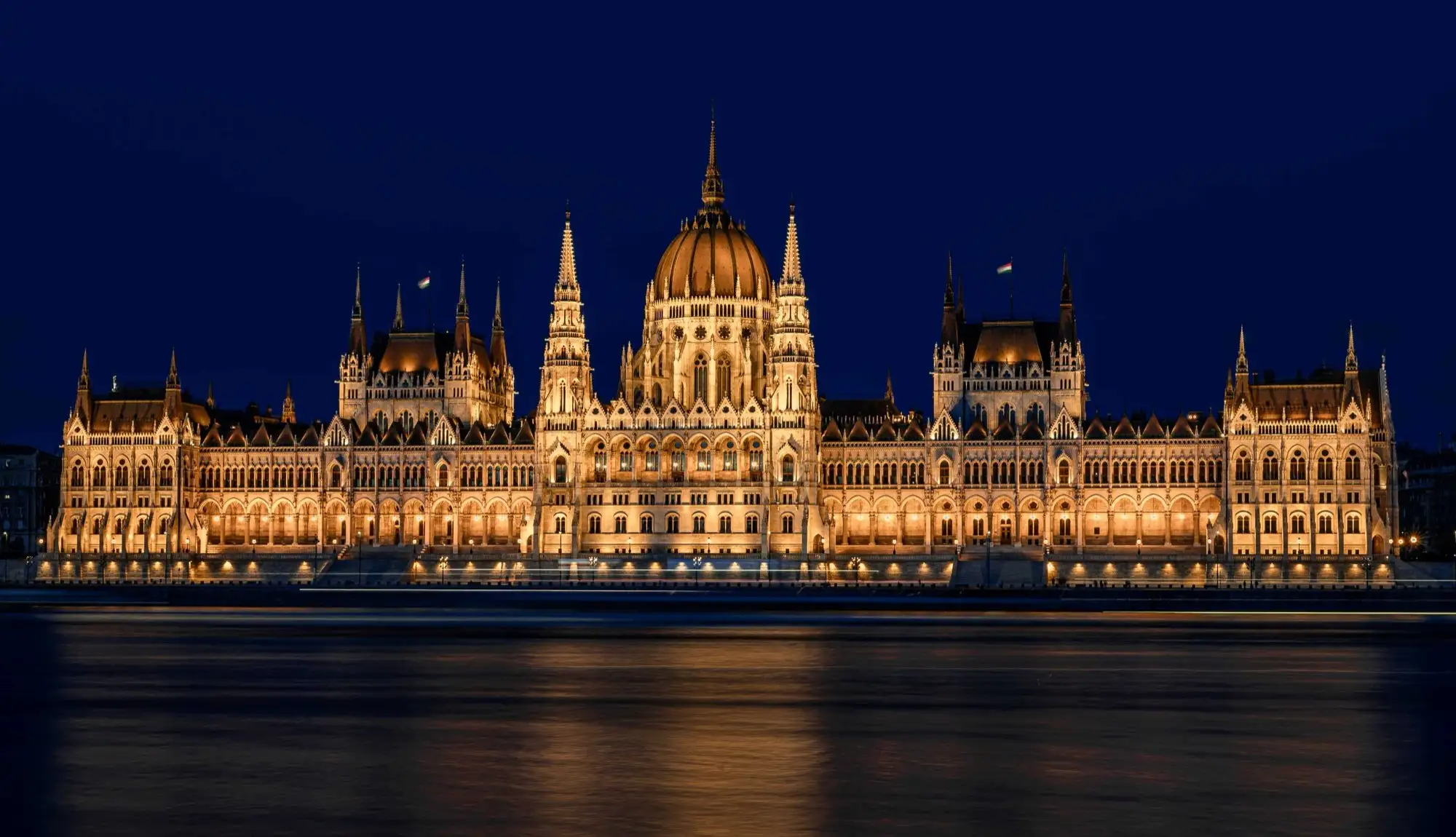
A week in Budapest
A week, or anything from four days up, with every day planned and some of them spent out of the city.
What to book before you visit Budapest
Most of the city you can walk straight into. Here's what to sort out first, in order.
Check which days of the week you're here
Before you book anything, see whether your trip takes in a Monday, a Saturday or a public holiday. Each one shuts something different, and the list is further down this page.
Book the Parliament tour first
You can only go inside on a guided tour at a fixed time, and the slots go days ahead. Book it, then plan that day round your slot.
There are separate tickets for EU and non-EU passport holders, and they check your passport at the door. A UK passport needs the non-EU one.
Then anything else with a fixed time
To see inside the Opera House by day you need a tour, and there are three in English every afternoon, in groups of up to 30. The Buda Castle Caves sell nothing at the door, and the group leaves on time whether you're there or not. St Stephen's Hall in the palace lets people in by timed slot, a few at a time.
Buy the synagogue ticket once your days are fixed
The Dohány Street Synagogue ticket can't be refunded or moved, and the synagogue is shut every Saturday and on Jewish holidays. Check the date twice before you pay.
Leave the bath and the cruise until you're there
Széchenyi and the evening sightseeing cruise can wait until the day before, when you've seen the forecast. A dinner cruise, or a restaurant you've set your heart on, is different: those fill up, so book them before you travel.
Best time to visit Budapest
Spring and autumn are the easiest seasons for long days on foot. Summer and winter just need the plan moving round a little.
Spring
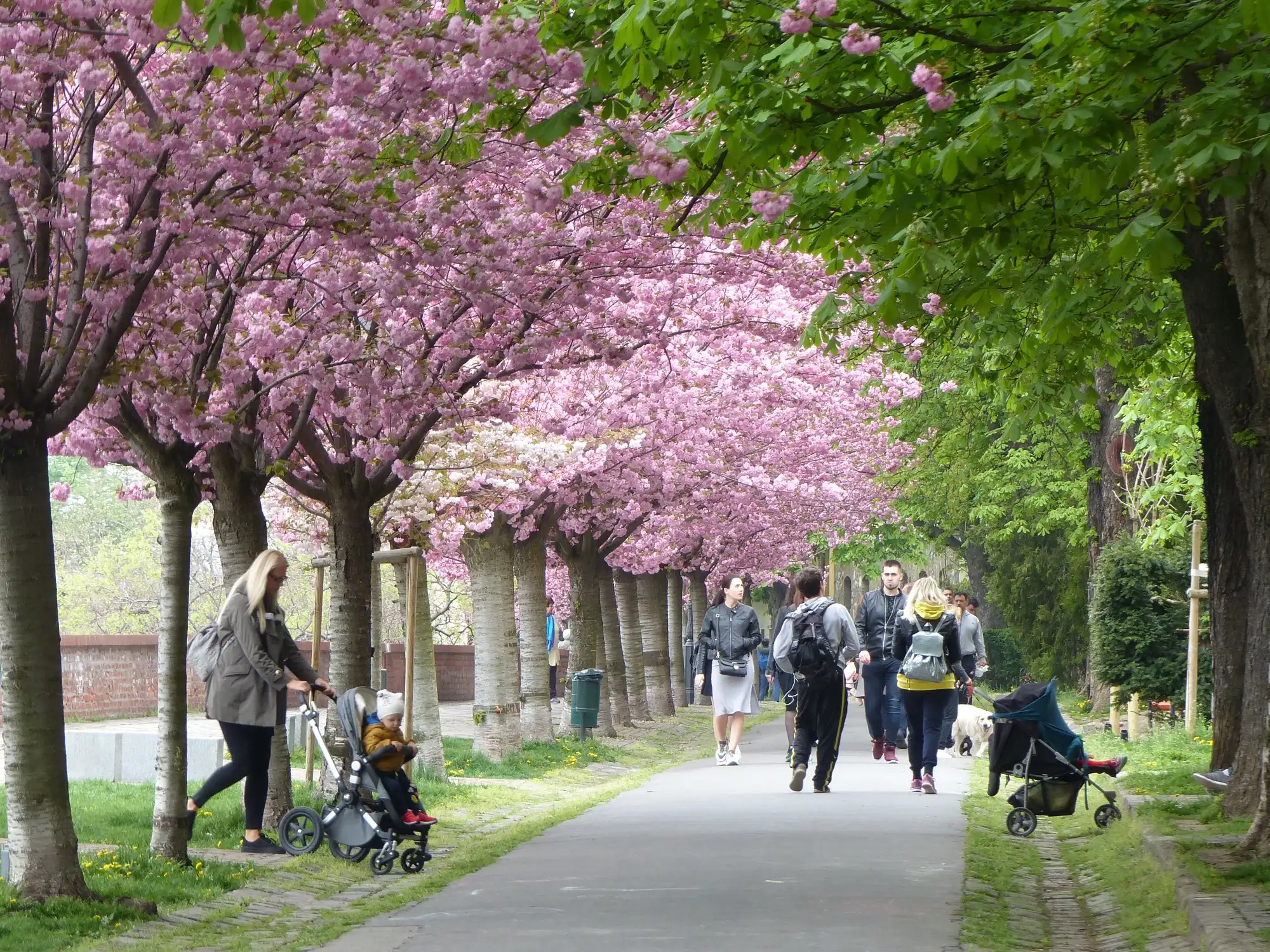
Mild days and longer evenings, so a full day on foot is comfortable. The small zoo on Margaret Island opens again for the season.
15 March is a national holiday. The upper lookout at Fisherman's Bastion is free all day, but the Great Market Hall is shut.
Summer
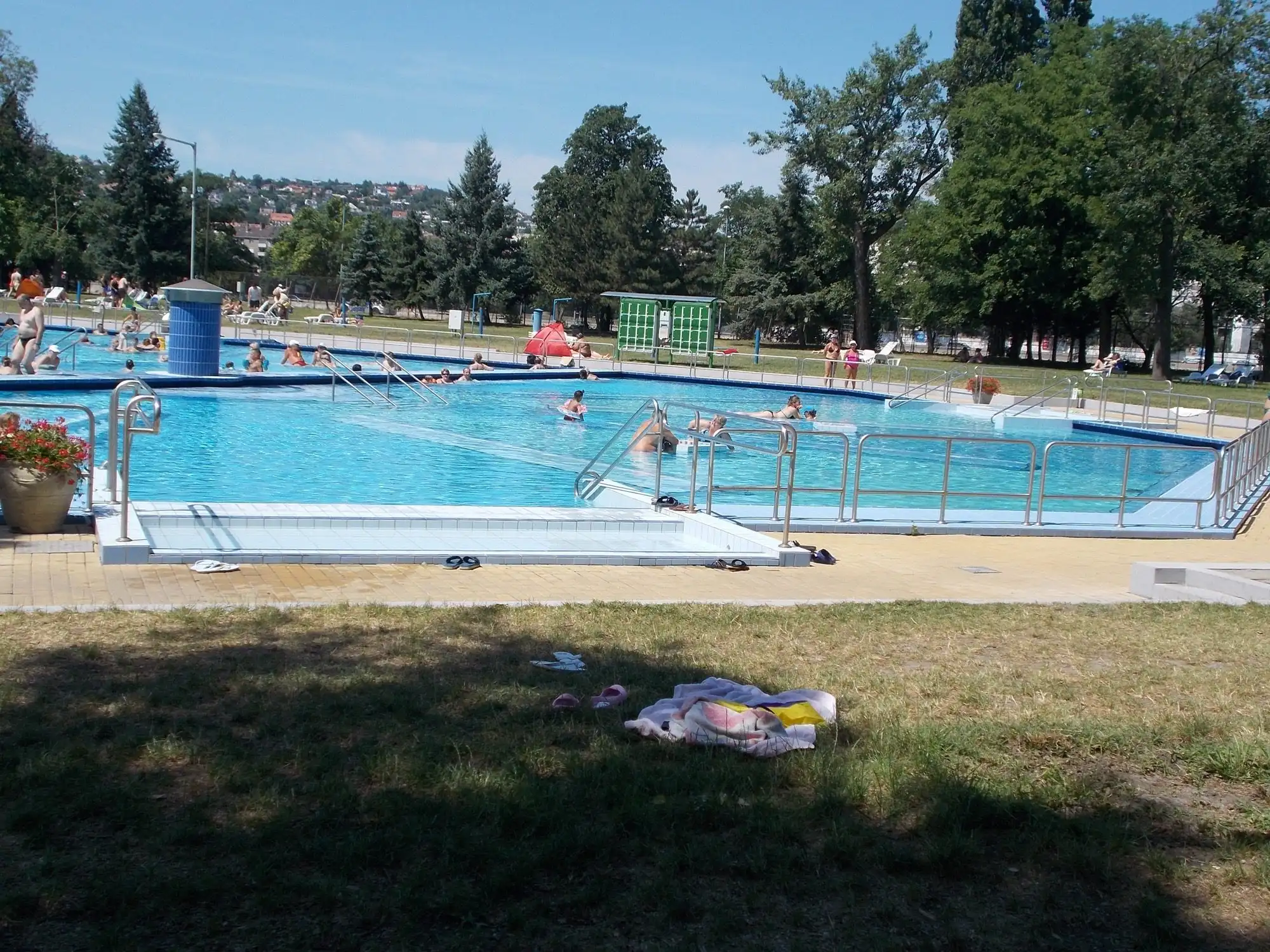
July and August can be properly hot. Walk in the morning and the evening, and spend the middle of the day in water: the outdoor pools at Széchenyi, or the Palatinus lido on Margaret Island, which takes children.
It stays light long after the sights have shut, so the river lit up comes late. Fill the gap with a long dinner outside.
Autumn
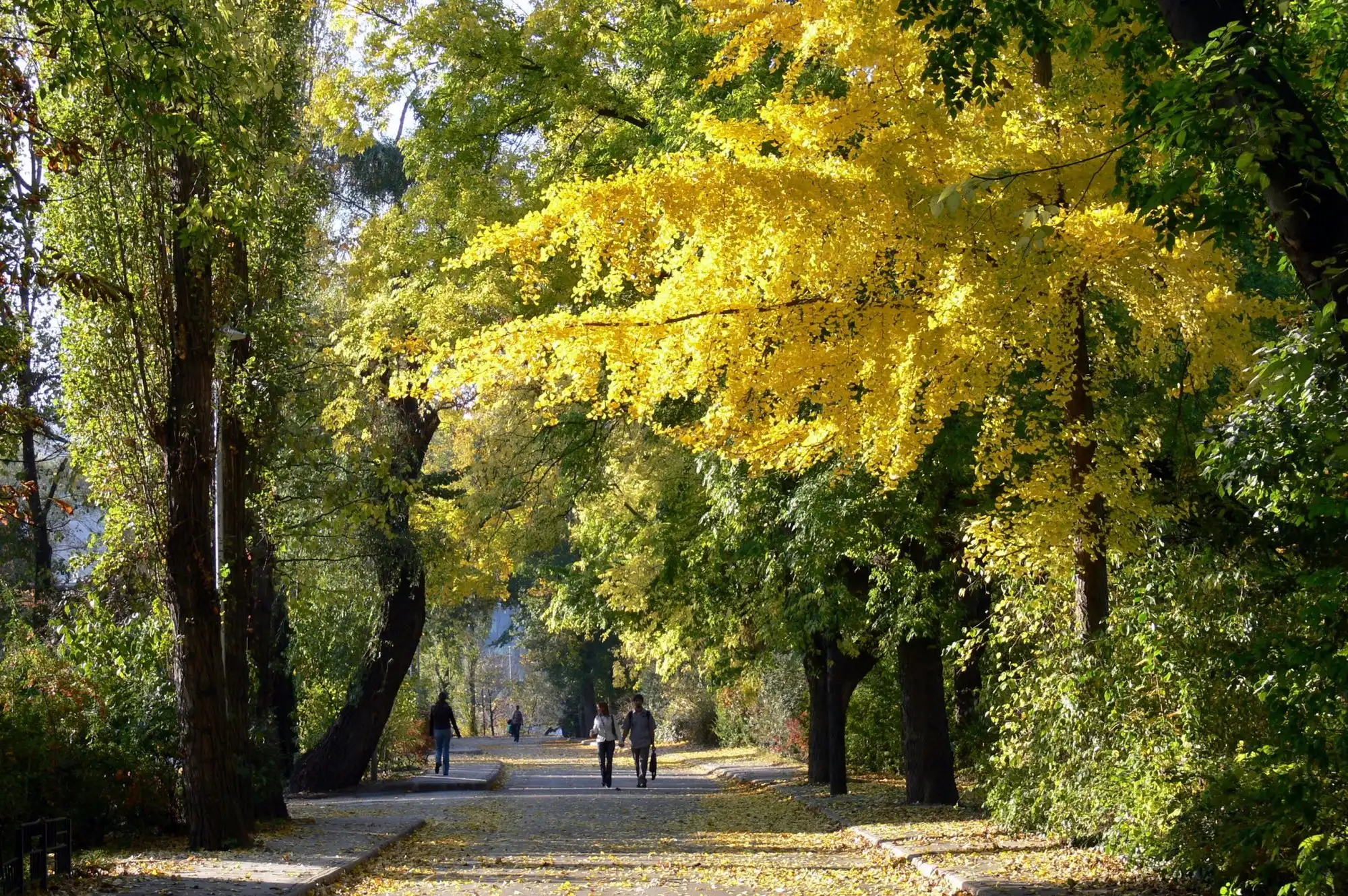
My favourite time to come. It gets dark earlier than in summer, so the lit-up river comes straight after dinner rather than late at night.
From November the Parliament and the synagogue both close earlier, and 1 November is a holiday, when many museums are shut.
Winter
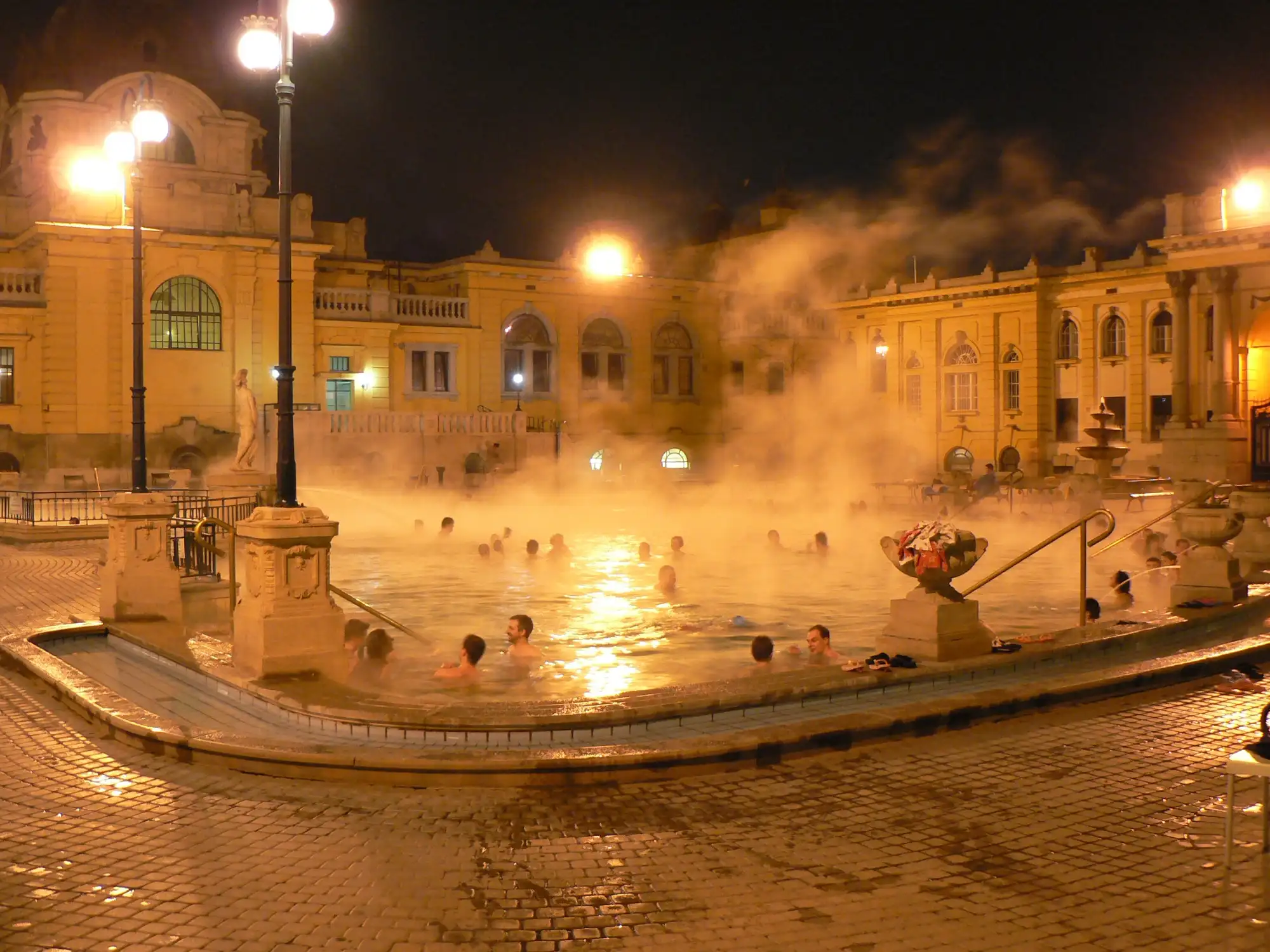
This is when the baths are at their best: hot water, freezing air and steam coming off the outdoor pools. It's dark by late afternoon, so you see the city floodlit without a late night.
The Christmas markets run from mid-November to New Year's Day, and the lake in City Park becomes an ice rink. Our Christmas in Budapest guide has the rest.
What's closed on Mondays, weekends and holidays in Budapest
These are the closures that catch people out. Check them against your dates before you book.
What's closed on Mondays
- Shut: most museums, including the House of Terror, the National Museum, the National Gallery in Buda Castle and Aquincum.
- Open: the Parliament, the baths, the Basilica, Matthias Church, the synagogue, the Great Market Hall, and the Castle Museum and St Stephen's Hall up on Castle Hill.
- Hill rides: the funicular takes odd-week Mondays off and the chairlift even-week Mondays, so on any Monday one of the two is running.
So make your Monday a day for landmarks and a bath, not museums. The full list of what shuts and when is on our best things to do page.
What's closed on Saturdays
- The Dohány Street Synagogue is shut all day, every Saturday.
- Matthias Church closes to visitors at 12:15.
- The Great Market Hall shuts at 16:00.
- Széchenyi opens an hour later than on weekdays, at 08:00, on both weekend days.
Castle Hill is at its busiest on a Saturday morning, too. Our weekend in Budapest plan is built round all of this.
What's different on Sundays
- St Stephen's Basilica: the church opens at 13:00, but the dome terrace and the Treasury open at 09:00 as usual.
- Matthias Church opens at 13:15.
- The Great Market Hall opens from 10:00 to 16:00, and several stalls don't trade at all.
- The Cave Church on Gellért Hill is closed.
Public holidays
- The baths keep weekend hours. If the holiday is a Monday, the funicular and the chairlift both run.
- The Great Market Hall is closed.
- The upper lookout at Fisherman's Bastion is free all day on 1 January, 15 March, 20 August and 23 October.
- Christmas: most museums close from 24 to 26 December. The Parliament has run no tours on those days or on 1 January in recent years, so don't plan on one then.
Our guide to what's open over Christmas goes day by day from the 24th to the 1st.
Winter opening hours
- The Parliament closes at 16:00 from November to March, two hours earlier than in summer.
- The synagogue closes at 16:00 in winter, and at 14:00 on a Friday, with the last entry at 13:00.
- Aquincum's outdoor ruins only open when it's dry and not slippery.
- Memento Park is all outdoors and closes earlier in winter, so be there by early afternoon.
Frequently asked questions
Is 3 days enough in Budapest?
For a first visit, yes. Three days is enough for both sides of the river, a bath, the river at night, a couple of museums and the Jewish Quarter, without having to rush any of it. Give it a fourth or fifth day and you can spend one of them outside the city.
Is a week in Budapest too long?
Not if you spend some of it out of town. Seven days of sights in the centre would start to drag, but the Danube Bend and the royal palace at Gödöllő are both easy day trips, and the Buda Hills feel like a different place. Our week in Budapest plans all seven days, the days out included.
How many nights should I book in Budapest?
One more than the number of full days you want. Your arrival and departure days are rarely more than half days once you’ve checked in or out, so two nights gives you one full day with a half day either side, and four nights gives you three.
Is Budapest walkable?
The centre is, and most of each plan is on foot. The distances that catch people out are the long straight ones: Andrássy Avenue alone takes about 35 minutes end to end, so ride the M1 under it. For Castle Hill, take bus 16 up from Deák Ferenc tér and walk down, which saves you the climb.
Is Budapest good for a trip with children?
Yes, with one catch. Széchenyi, Rudas and Lukács only let in over-14s, so swap the bath for the Palatinus lido on Margaret Island, which takes children. The chairlift and the Children’s Railway in the Buda Hills, the zoo by Heroes’ Square and the island itself are the easy wins. In summer, plan round the heat. Our fun things to do round-up has more.
Which Budapest Card do I need for my itinerary?
Match it to the plan: 24 hours for one day, 48 for a weekend, 72 for three days and 120 for a week. It covers public transport, walking tours in Buda and Pest and a Danube cruise. Whether it pays for itself depends on how many of its museums you’ll actually visit, which our Budapest Card page works out.