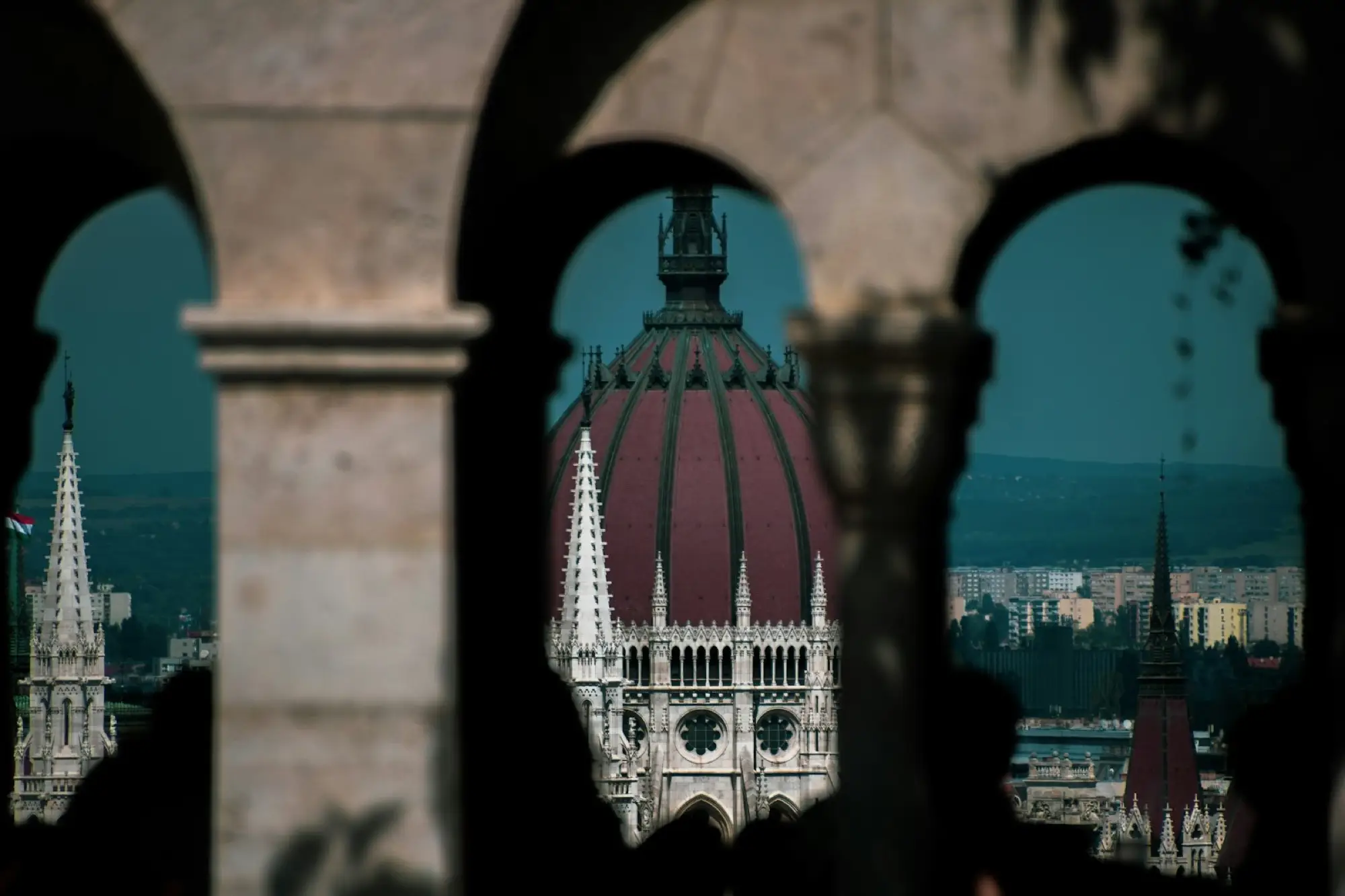
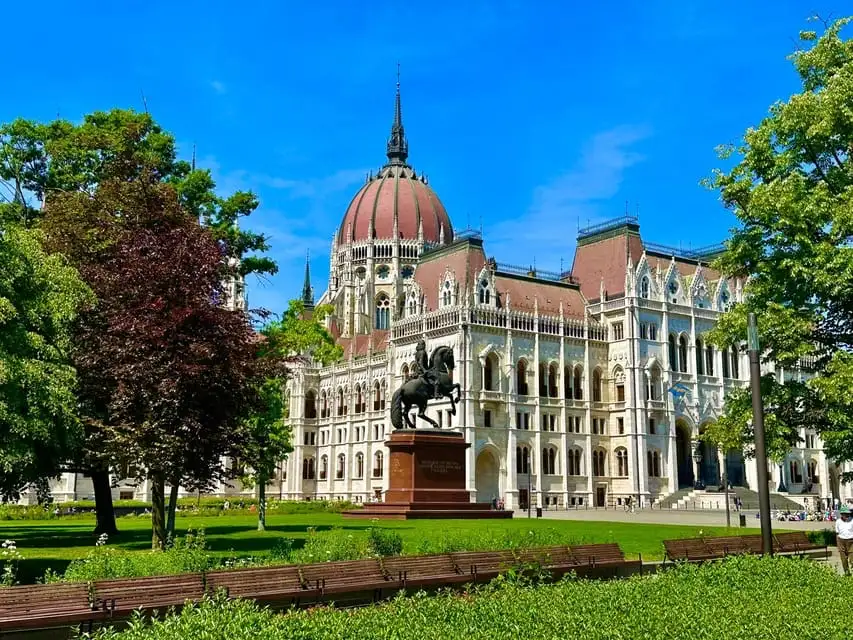
The Hungarian Parliament is the building Budapest sells itself on. Imre Steindl’s Neo-Gothic palace dominates the Pest riverbank, holds the Holy Crown of Hungary, and runs the country’s National Assembly. You get 45 minutes to see the inside of it, and more than 700,000 people a year take them.
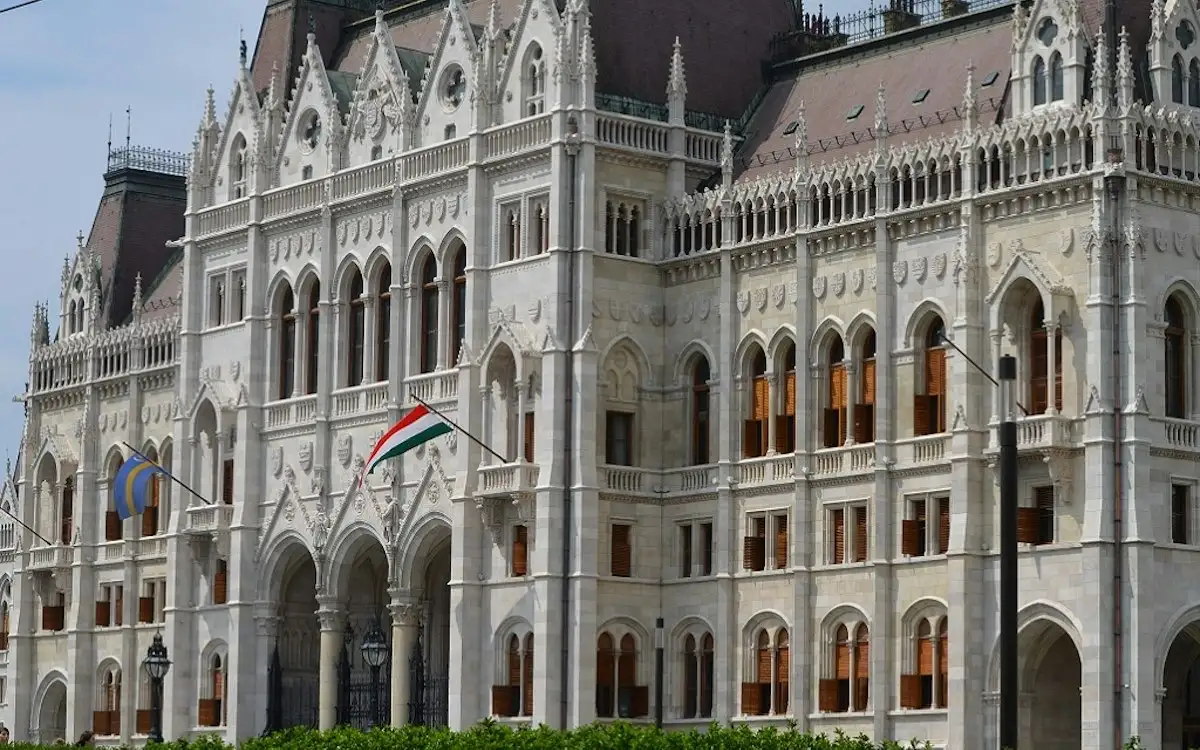
Built between 1885 and 1902, it runs 268 metres along the river under a 96-metre dome, with 691 rooms and a riverfront facade so intricate it would not surprise me if there is a permanent restoration team on the payroll. Public access is by timed tour only and slots sell out ahead, so book before you fly in.
- Visit length
- 45 minutes, allow an hour
- Entry
- Guided tour only, timed
- Book ahead
- Yes, slots sell out ahead
- Opening hours
- Summer (1 April to 31 October): Daily 08:00 to 18:00Winter (1 November to 31 March): Daily 08:00 to 16:00
- Best time
- First tour, Tuesday to Thursday
- Nearest stop
- Metro M2 Kossuth Lajos tér5 min walk
- Accessibility
- Step-free, email ahead
- Dress code
- Smart casual expected
- Holy Crown
- On the tour, no photos
Tickets
Every visitor goes in on a timed 45-minute tour, so the choice is between an entry ticket with an audio guide and a half-day guided tour of the city that finishes inside the building.
Parliament Entry Ticket and Audio Guide
Best for: Seeing inside at your own pace, in your own language
- About 1 hour, including check-in
- Audio guide in 26 languages, no live guide
- Free cancellation up to 24 hours ahead
What’s included and more details
What’s included
- Timed entry to the 45-minute tour of the building
- Audio tour of Kossuth Square to do beforehand
- The History of the House exhibition afterwards
- Choose
- The EU citizens or non-EU citizens option. UK passports book non-EU
- Children
- 5 and younger have their own category; 6 and up book as adults
- Meeting point
- Sent by the provider the day before, and it depends on the option
- Bring
- The passport or ID card that matches your option
- Also
- Reserve now and pay later
Castle District and Parliament Guided Tour with Transport
Best for: A first visit, with a live guide and the Castle District on the same tour
- 4.5 hours
- Live guide in English, German or Spanish
- Non-refundable, cannot be moved
What’s included and more details
What’s included
- Guided tour of the Parliament to finish, admission included
- Castle District, Gellért Hill viewpoint and City Park
- Air-conditioned vehicle and a licensed guide throughout
- Starts
- The tour office on Báthory utca, two streets from the Parliament. Arrive 15 minutes early
- Not included
- Hotel pickup
- Bring
- ID or passport, needed to enter the Parliament
- The entry ticket is sold as an EU citizens or a non-EU citizens option, and the Parliament checks a physical passport or ID card at the door. The EU option covers the EU plus Iceland, Liechtenstein, Norway and Switzerland; UK passport holders book non-EU
- Children aged 5 and younger have their own category on the entry ticket; everyone from 6 up books as an adult
- Only the entry ticket can be cancelled (free up to 24 hours ahead). The guided tour is non-refundable and cannot be moved
What each ticket includes, and which suits you: Hungarian Parliament tickets guide.
Highlights
Stand feet from the Holy Crown
Under the dome, ringed by statues of sixteen Hungarian rulers.
Walk the Grand Staircase
Red carpet, Károly Lotz frescoes, and Miksa Róth stained glass.
Shoot from the Buda riverbank at dusk
The Parliament floodlit and reflected in the Danube.
Plan your visit
Opening hours
Open every day, with tours running through the day. Summer hours run from April to October, and the day is two hours shorter from November to March. Sittings and state events can pause visits at short notice.
Summer (1 April to 31 October): Daily 08:00 to 18:00Winter (1 November to 31 March): Daily 08:00 to 16:00Seasonal schedule, closures and the quietest slots: opening hours guide.
Getting there
The Parliament sits on Kossuth Lajos tér on the Pest bank of the Danube. The square is closed to traffic and the Visitor Centre entrance is underground at the north end, so you walk the last few minutes whichever way you arrive.
Nearest stops
Walking routes, buses, parking and the step-free approach: how to get there.
Before you go
- Find the entrance first. The Visitor Centre is underground at the north end of Kossuth tér, at the end of Balassi Bálint utca, not at the grand river facade. Groups leave on time and cannot wait for latecomers, and a missed slot is lost
- Bring photo ID. Citizenship and any discount are checked against a physical passport or ID card at the door
- Travel light. Everyone passes an airport-style security check. Large bags and packages are not allowed in, and the only drink you can bring is up to half a litre of a clear soft drink in an unbreakable plastic bottle (liquid medicine and baby food are fine)
- Use the toilet before you go in. The only public toilets are outside the Visitor Centre
- Dress with the building in mind. There is no strict dress code, but the House asks for smart-casual, and flags, food, drink, smoking and sitting on the stairs are all banned
- Photos are fine in the building, except at the security check and in the Dome Hall
Accessibility
- Step-free throughout: the tours leave from an accessible Visitor Centre, where the ticket office also is, and the route is barrier-free for wheelchair users
- Email ahead at idegenforgalom@parlament.hu if you use a wheelchair, so staff can get you in without a wait
- Assistance dogs are welcome (guide, hearing, mobility, seizure-alert and therapy dogs); email ahead for the same reason
- Deaf and hard of hearing visitors can ask for a printed guide to the tour in English or Hungarian at the ticket office
- Audio guide in 26 languages on the entry ticket, so nobody is stuck with a tour in a language they do not follow
What to see and do
The route inside is fixed and the pace is set by the guide, so this is what you will pass and what to slow down for, plus the free square outside.
Stand under the 96-metre Dome Hall
The sixteen-sided central hall sits beneath the Parliament’s 96-metre dome, a height set deliberately to mark 896 AD, when the Magyar tribes settled the Carpathian Basin. It is the centre of the building in every sense: the two chambers sit either side of it, and the first session ever held here, in 1896, met in this room before the rest was finished.
Look up at the statues of sixteen Hungarian rulers round the walls, each with a coat of arms, and at Károly Lotz’s paintings overhead. This is the room most people come for, because the Holy Crown is here.
See the Holy Crown of Hungary
The crown has been displayed in the Dome Hall since 2000, with the sceptre, orb and sword, and soldiers of the Crown Guard stand over it. Tradition ties it to Saint Stephen, but its oldest part, the lower band, was a gift from Constantinople to King Géza I later in the 11th century, and the arches on top were added after that. Look for the crooked cross on top.
Photography is banned in this room to protect the crown, and you only get a few minutes before the group moves on, so move close as soon as you are in. What to look for on it, and how it spent 33 years at Fort Knox: the Holy Crown of Hungary.
Walk the Grand Staircase
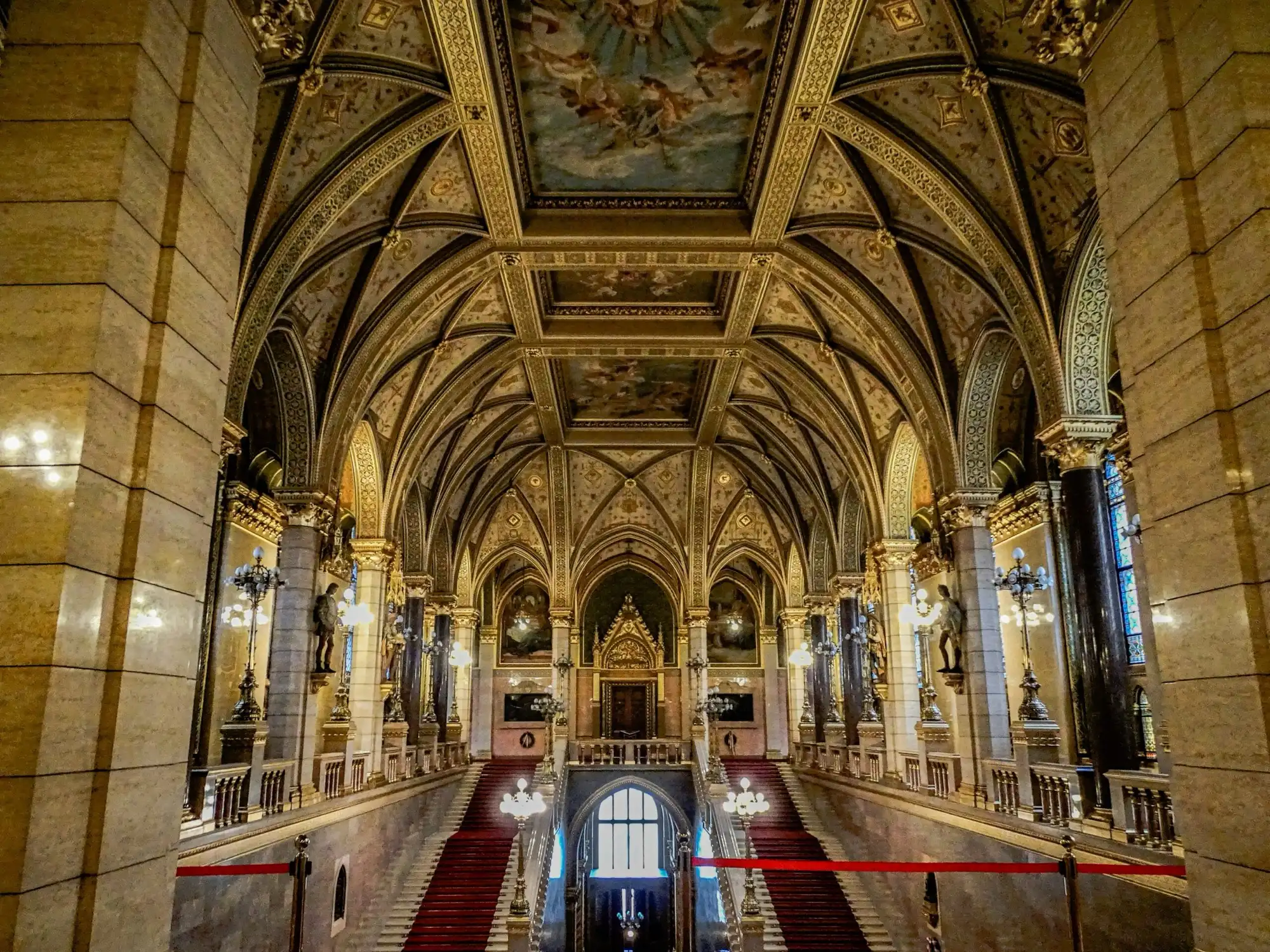
The most ornate ceremonial space in the building: red carpet, gold leaf, ceiling paintings by Károly Lotz, and stained-glass windows either side from Miksa Róth’s workshop. It is the first big room on the route, and the one that sets the scale for the rest.
Photos are allowed here, unlike in the Dome Hall, so this is where to take your pictures. It is the room most worth slowing down for.
Step into the Old Upper House Chamber
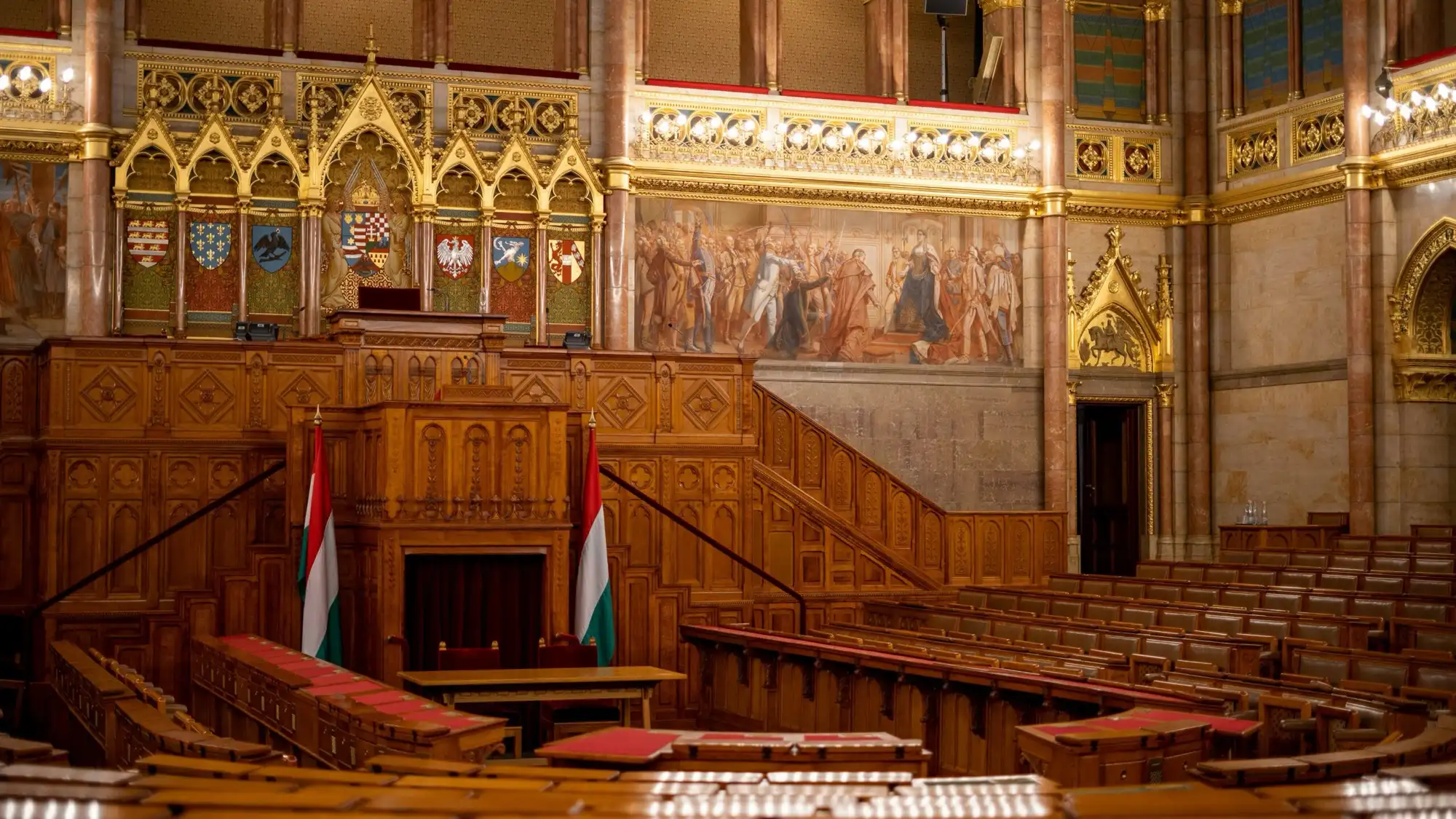
Hungary now has a single-chamber parliament, so the former upper house is preserved as a ceremonial room. It is one of two matching chambers either side of the Dome Hall, so it shows you what the working chamber on the other side looks like without interrupting it.
Look for the cigar holders built into the benches, a leftover from the days when members smoked in the building. It is the last big room on the route, and a good place to ask the guide or replay the audio guide about the building’s politics.
Pause in the Upper House lounge
The members’ lounge outside the chamber is where the guide covers the building’s story, its architecture and the artworks on the route. Often hurried past; worth a minute if you want the practical side of how the House actually worked.
Walk round Kossuth Square before your slot
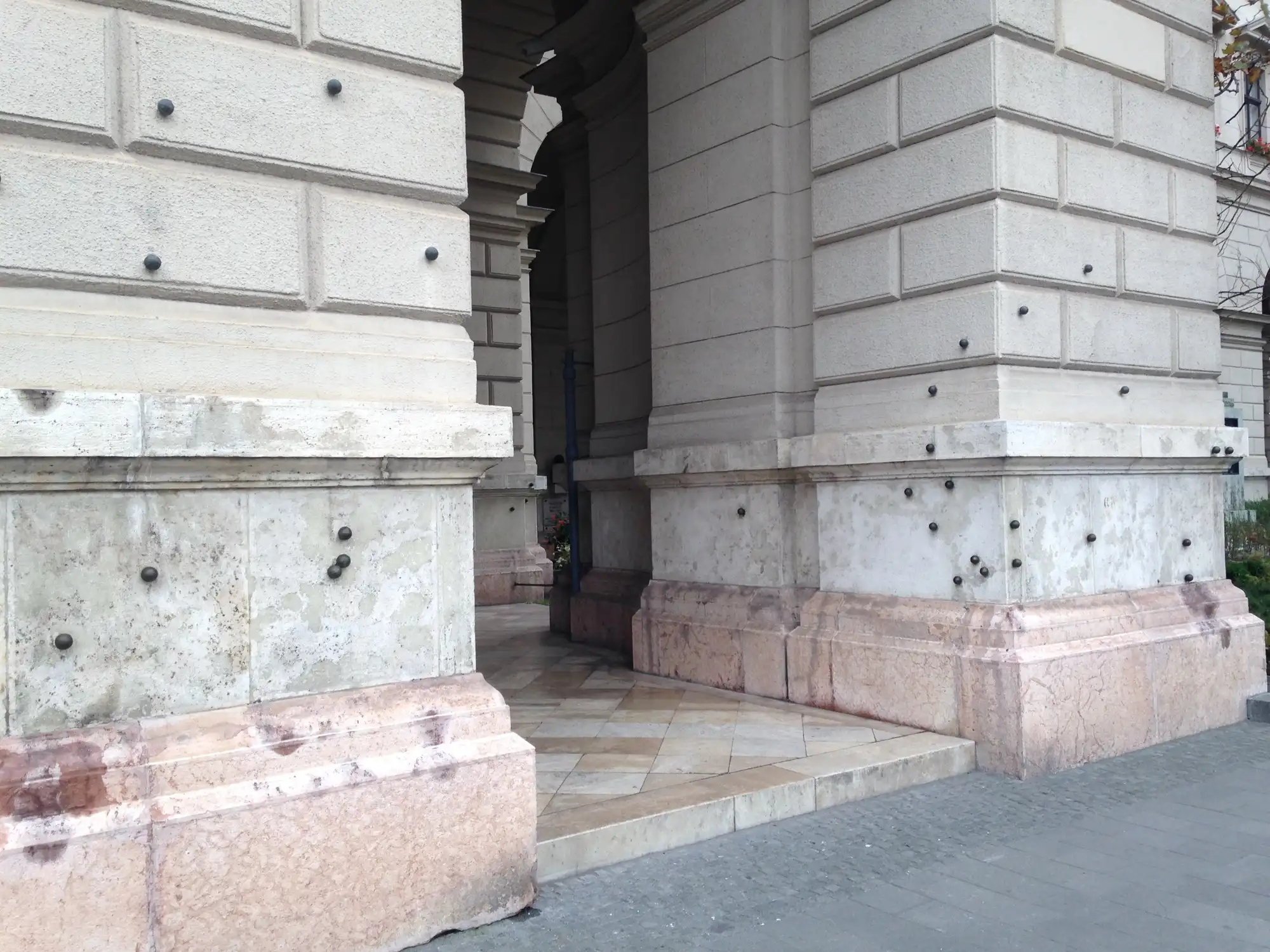
The square is free, open all day, and worth the half hour before your slot. The 2014 rebuild put it back much as it was before the war: the Kossuth, Andrássy and Tisza memorials are back as copies, the Rákóczi equestrian statue of 1937 never left, and the Attila József statue now sits on the steps down to the river.
The 1956 memorials are the part to find. Beside the Rákóczi statue are a symbolic grave and the Flame of the Revolution, and under the arcade of the Ministry of Agriculture, across the square, bronze balls set into the stone mark where the shots of 25 October 1956 hit the wall. Under the square, the Parliament’s museum runs free exhibitions, including a 1956 memorial and a Lapidarium of original facade stone, on shorter hours than the tours.
The flag in front of the building has had a military honour guard since 2014. Catch it changing if you can, but the times have changed over the years, so do not plan around it.
Insider tips
Book the first tour of the day
The first slot is the quietest of the day, before the tour groups build up, so the Dome Hall and the Grand Staircase are at their calmest and you get more of your few minutes at the crown.
Come back after dark
The whole building is floodlit from dusk, and the view from the Buda bank is the one on the postcards. It is free, and the evening cruises pass right under it. Where to stand and which boat to take: the Parliament at night.
Check the day’s notices before you leave the hotel
Visits pause for sittings and state events, sometimes for a couple of hours in the middle of the day, and the notice goes up on the official visitor pages at short notice. A quick look saves a wasted trip. Tuesday to Thursday slots are the least likely to be hit.
Sold out? Check the other ticket
The two tickets are sold separately, so when one shows nothing for your date, check the other. The guided city tour finishes with the Parliament and can have places when the entry ticket does not. It is non-refundable, so only once your dates are fixed.
Nearby attractions
The Parliament sits at the northern end of central Pest, with the river, the Basilica and the Chain Bridge all within an easy walk of the square.
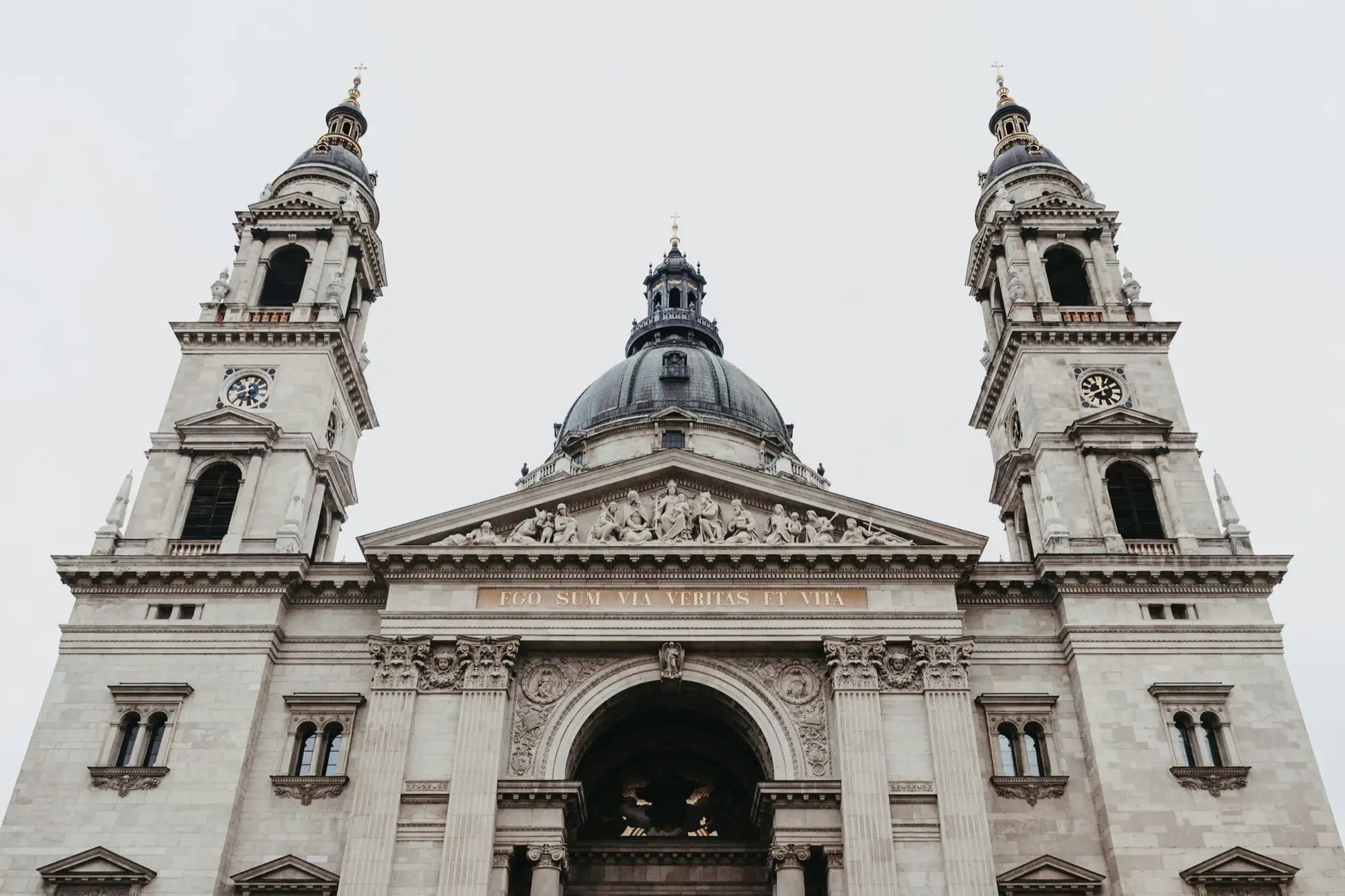
St. Stephen's Basilica
About 12 minutes on foot from the south end of the square, along Zrínyi utca with the dome framed at the end.
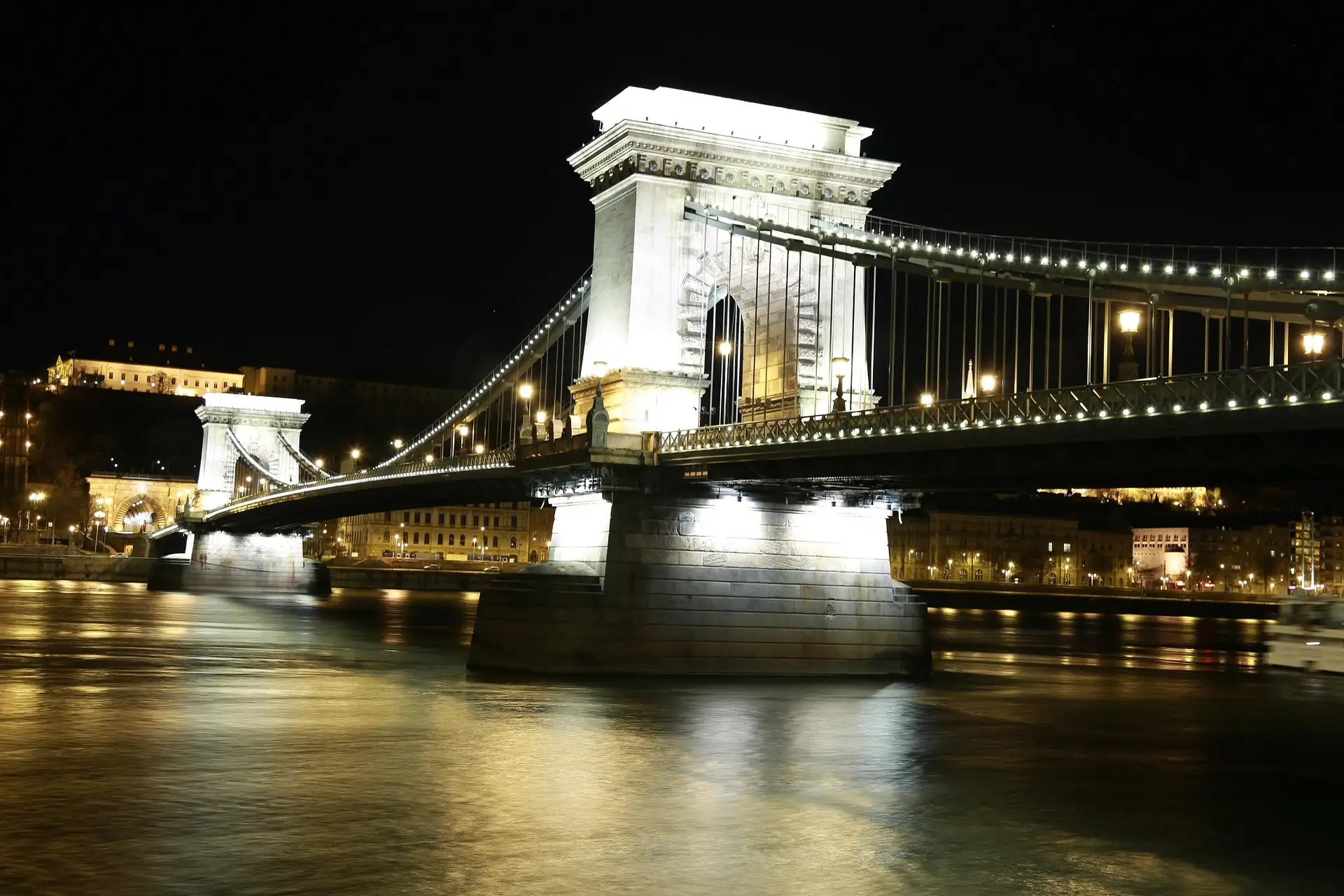
Széchenyi Chain Bridge
About 10 minutes south of the square along the Pest riverbank.
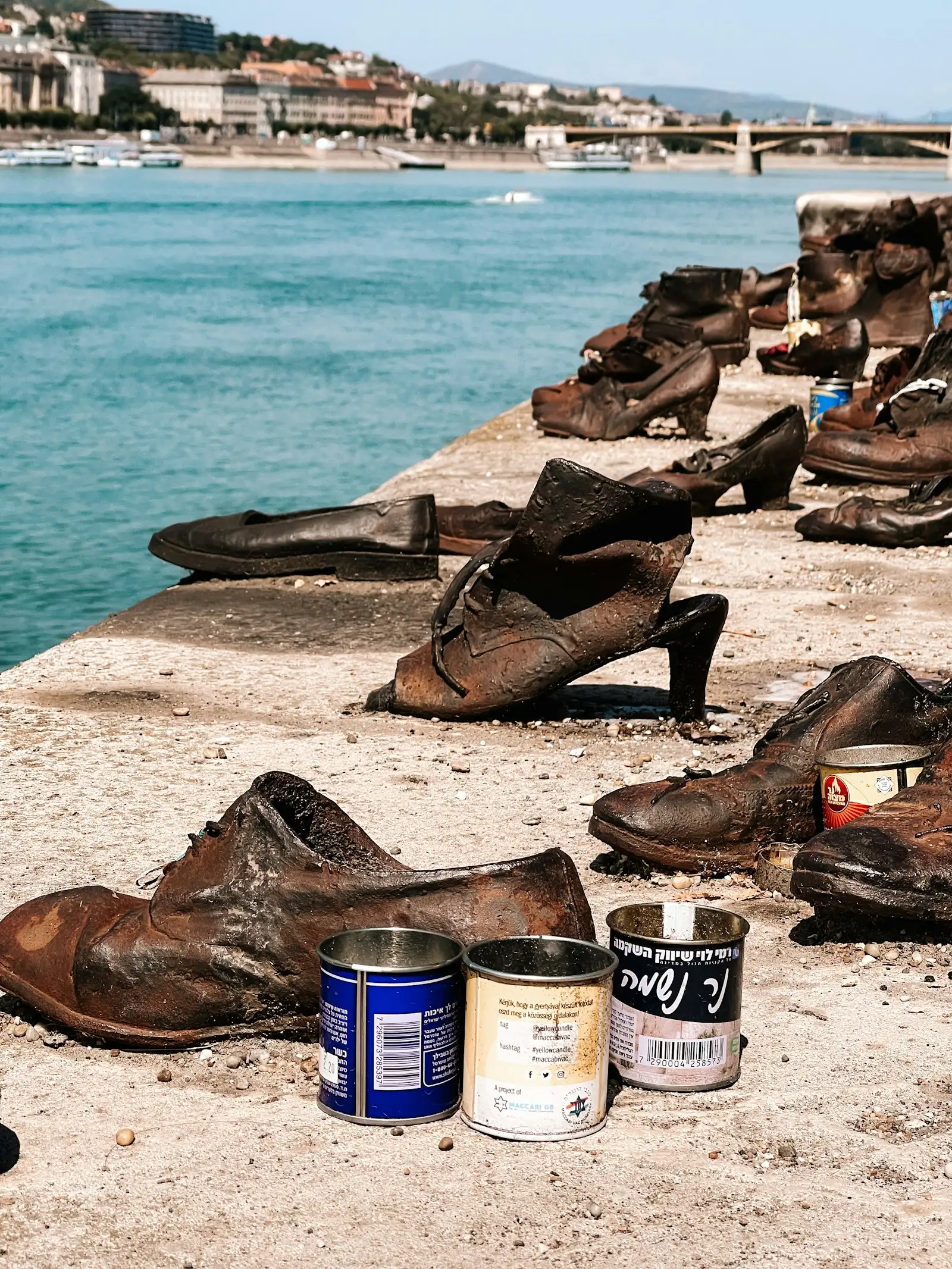
Shoes on the Danube
A few minutes south of the square on the Pest riverbank. Memorial to Hungarian Jews killed by Arrow Cross militia in 1944 to 1945.
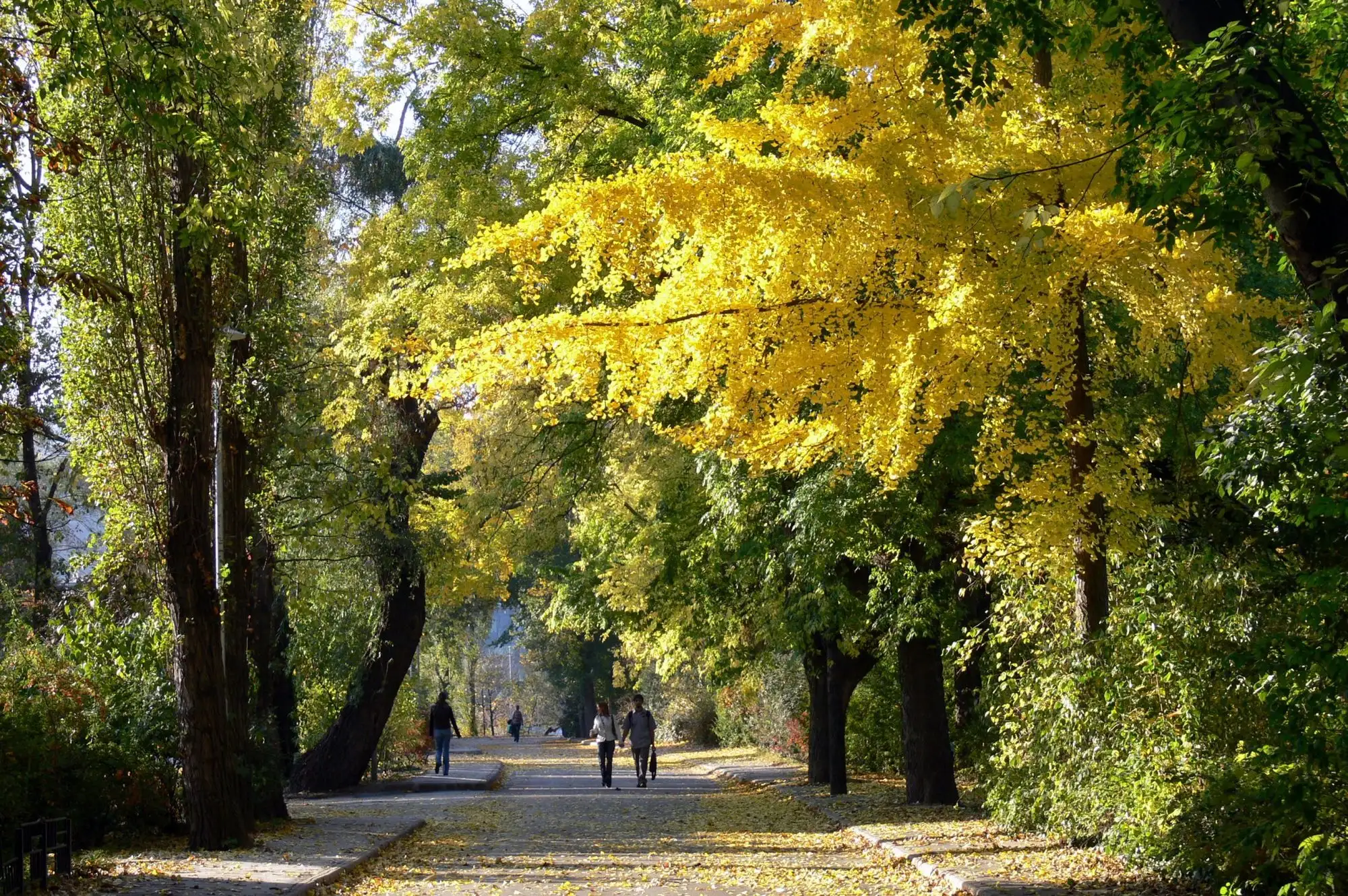
Margaret Island
About 15 minutes north, over Margaret Bridge.
History
Imre Steindl’s Neo-Gothic design won the competition of 1882 to 1883, building began in 1885, and the Parliament was handed over in 1902. The short version:
- 1882 to 1883
International design competition. Imre Steindl’s Neo-Gothic design is chosen from 19 entries.
- 1885
Building work begins on the Pest riverbank.
- 1896
First session in the unfinished Dome Hall, for the millennium of the Magyar settlement.
- 1902
Steindl dies in August; the building is handed over in October. Interior work runs on to 1904.
- 1944 to 1945
Significant damage in the Siege of Budapest.
- 23 October 1989
Hungarian Republic declared from the balcony, ending more than 40 years of communism.
- 2000
Holy Crown of Hungary transferred to the central Dome Hall.
The full story, the architect and the architecture: history of the Hungarian Parliament.