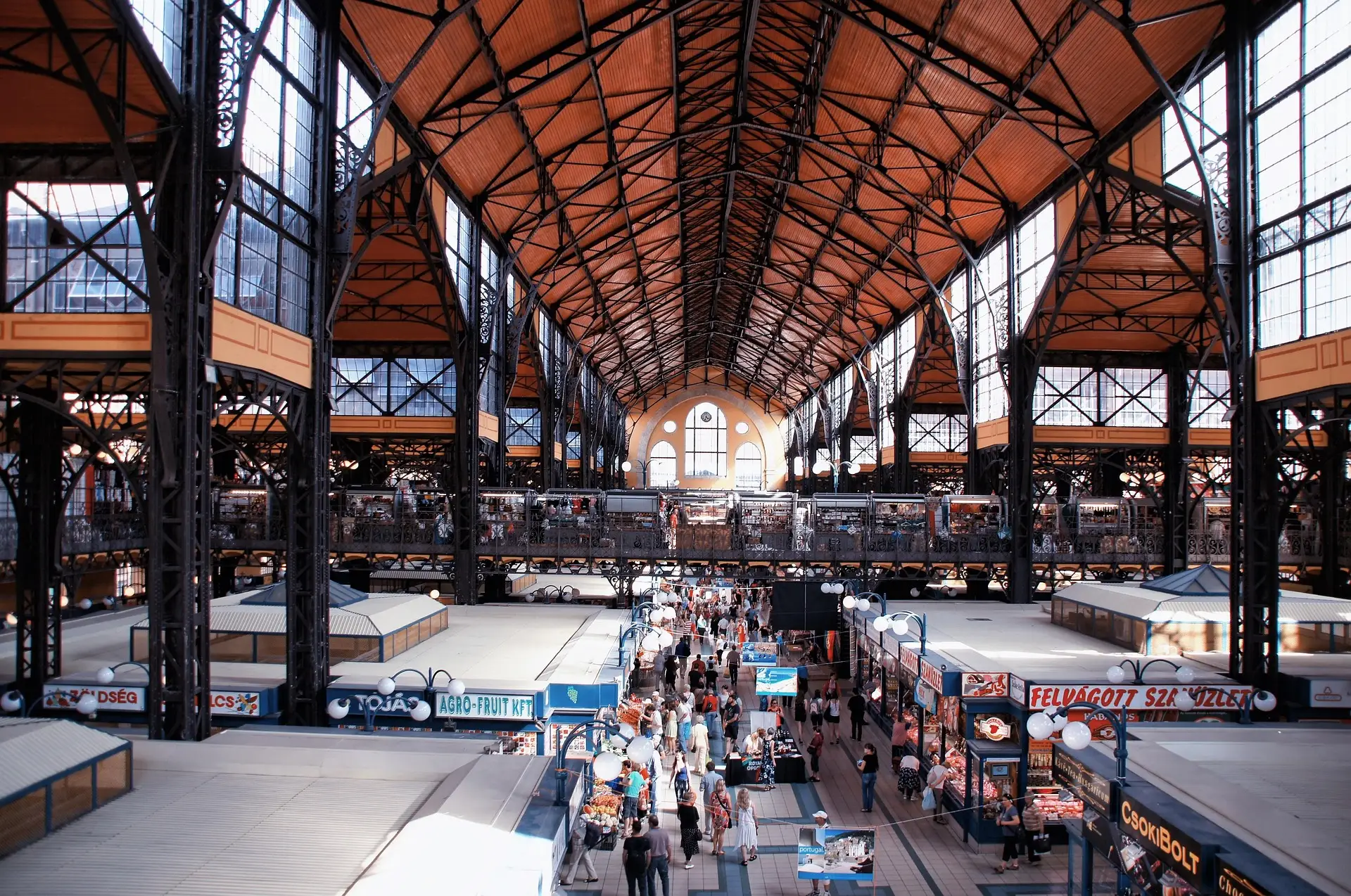
The Great Market Hall is the biggest of Budapest’s covered markets and the one almost every visitor ends up in. It stands at the Pest end of Liberty Bridge, 220 metres of brick and iron under a roof of coloured Zsolnay tiles, and it has been a listed monument since 1977.
Hungarians call it the Nagycsarnok, the tour companies call it the Central Market Hall, and the name carved over the door is Market Hall No. 1.
Walking in costs nothing. There is no ticket and no queue, and more than 200 stalls and shops trade on the three floors inside. The one thing sold for the hall is a guided food tour, and the honest case for taking one is that the building explains none of what you are looking at.
- Visit length
- 30 to 60 minutes
- Entry
- Free, no ticket
- Book ahead
- Only for a food tour
- Opening hours
- Mon to Fri 06:00 to 18:00, Sat 06:00 to 16:00, Sun 10:00 to 16:00
- Best time
- Before 11:00 on a weekday
- Nearest stop
- Metro M4 Fővám térAt the door, and every M4 station has lifts
- Three floors
- Produce and butchers at ground level, food and souvenirs on the gallery, fish and pickles in the cellar
- Closed
- Hungarian public holidays. Sunday is the short day, 10:00 to 16:00
- Paying
- Larger stalls take cards, the smallest want cash
Tickets
Entry is free, and nobody sells a ticket for the Great Market Hall because there is none to sell. What the partners sell is the guided food tour: a guide, a route through the stalls and the tastings, over two or three hours. GetYourGuide sells all of them.
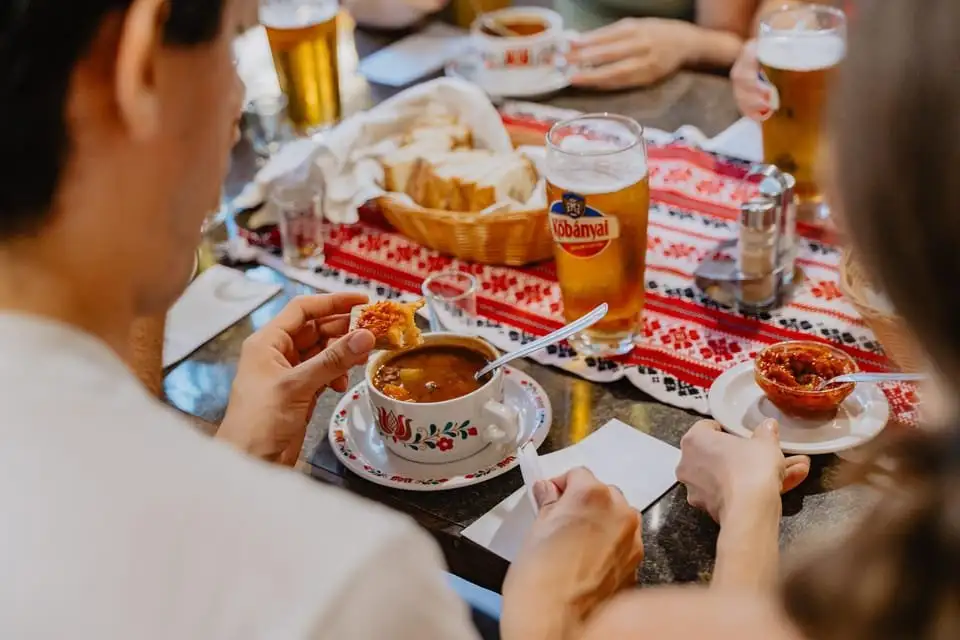
Budapest: Food Tour Market to Tavern: 12+ Tasters & Wines
Best for: Tasting your way round the hall, then carrying on to a tavern
- 3 hours
- Live guide in English
- Free cancellation up to 24 hours ahead
What’s included and more details
What’s included
- More than 12 Hungarian tastings, goulash, lángos and chimney cake among them
- Local wines and spirits alongside the food
- A local guide for the full three hours
- Choose
- The 11:30 departure is the one with the market walk. The 17:00 departure starts at a hotel by Kálvin tér and does not go into the hall
- Meeting point
- Outside the main entrance on Fővám tér, opposite the Burger King. Look for the red Foodapest bag
- Group
- Up to 12 people, with a private option
- Diet
- Vegetarian and vegan guests are catered for, coeliacs cannot be, and the alcohol is for over-18s
- Book by
- At least 4 hours ahead
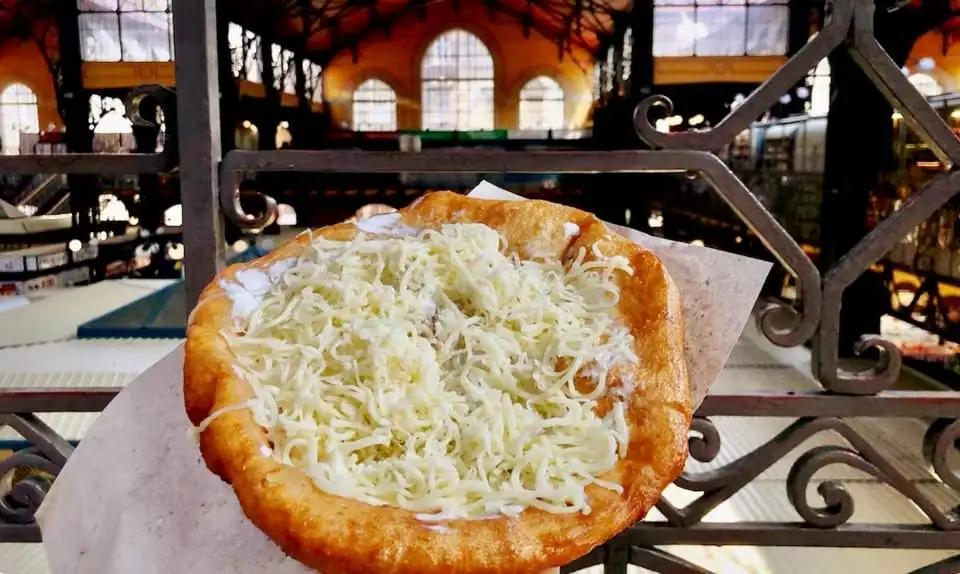
Great Market Hall Food Tour with Lángos and local treats
Best for: A two-hour walk of the hall itself with lángos and pálinka
- 2 hours
- Live guide in English
- Free cancellation up to 24 hours ahead
What’s included and more details
What’s included
- Tastings of lángos, salami and strudel
- A shot of pálinka
- A guided walk through the hall with the story of the building
- Meeting point
- A hotel lobby north-east of the market, by the lifts. The group walks to the hall from there
- Runs
- Monday to Saturday, never on a Sunday
- Group
- Up to 15 people
- Access
- Sold as wheelchair accessible
- Also
- Hungarian paprika, porcelain and embroidery are part of the talk, and there is a mushroom hunt for children
- Book by
- At least 10 hours ahead
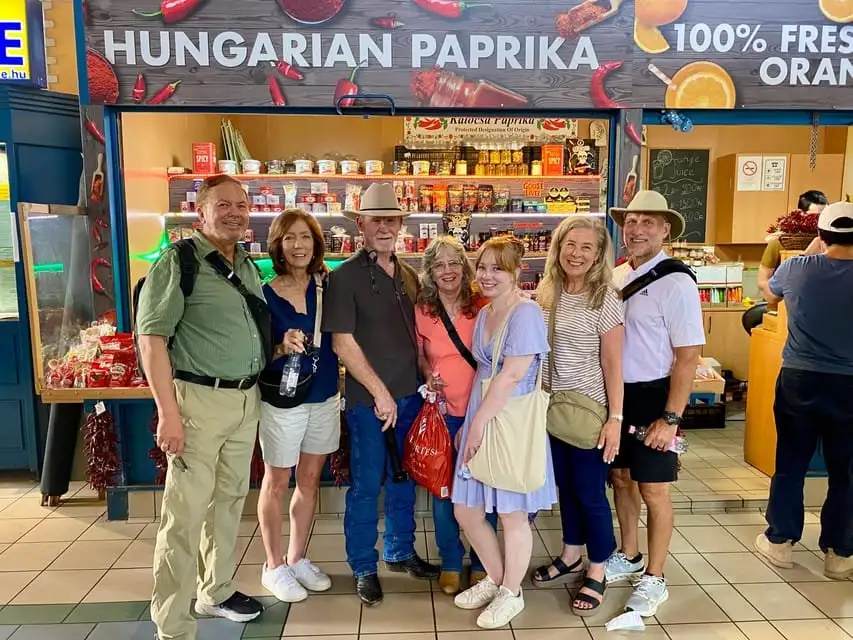
Private Market & Tasting Tour of Central Market Budapest
Best for: Anyone who wants their own guide, or a tour sold as wheelchair accessible
- 2 hours
- Live guide in English
- Free cancellation up to 24 hours ahead
What’s included and more details
What’s included
- A private guided food tour of the Central Market Hall
- Generous tastings as you go
- Meeting point
- The main entrance of the market hall, where the tour ends as well
- Group
- Private, your own party only
- Access
- Sold as wheelchair accessible
- Book by
- At least 10 hours ahead
- Nobody needs a tour to get in. The hall is open to anyone during trading hours and costs nothing
- On the featured tour, book the 11:30 departure if you want the market. The 17:00 departure starts at a hotel by Kálvin tér and skips it
- One of these three meets away from the hall, in a hotel lobby to the north-east, so read the meeting point before you pay
Every tour that names the hall, compared: our Great Market Hall tours guide.
Highlights
Lángos on the gallery
All nine of the hall’s cooked-food counters are upstairs, so the lángos, the goulash and the chimney cake are all on one floor.
A Zsolnay-tiled roof
Coloured glazed tiles from the Zsolnay factory in Pécs across the gable and the towers, with ceramic heads on the roof ventilators.
The cellar nobody goes down to
Seven fish and game counters, five pickle stalls and a supermarket, on the floor most visitors walk straight past.
Plan your visit
Opening hours
The hall opens at 06:00 from Monday to Saturday, hours before almost anything else in Budapest, and closes at 18:00 on weekdays and 16:00 on Saturdays. Sunday is 10:00 to 16:00. It shuts on Hungarian public holidays.
Mon to Fri 06:00 to 18:00, Sat 06:00 to 16:00, Sun 10:00 to 16:00Individual stalls keep their own, shorter hours inside the building. Our opening hours guide has the full picture, the holiday rule and the quietest times.
Getting there
The hall stands on Fővám tér, at the Pest bridgehead of Liberty Bridge, where Váci utca ends and Vámház körút begins. Every stop below is on the square outside the front door.
Nearest stops
By car: there is an underground car park beneath the building, reached from Sóház utca, and paid parking in the surrounding streets.
For walking routes, the step-free way in and the approach from Buda: our guide to getting there.
Before you go
- Entry is free and there is no ticket. The operator says so on its own pages, in Hungarian and English
- Carry some forints. Larger stalls take cards, many small ones do not, and the change machines in the hall are a poor way to get forints
- The building’s hours are the outside limit. Stalls shut earlier, particularly late on a Saturday, and some do not trade on Sundays
- Haggling is not the custom. Prices are displayed and produce is sold by weight
- Keep your bag in front of you upstairs at lunchtime. A packed indoor crowd is exactly the working conditions a pickpocket wants
- In long hot spells the operator puts out drinking water in its market halls
- There are paid toilets inside, on the ground floor and in the cellar, so keep a few forints in change
- Photos for yourself are fine. The house rules allow private photos and video; anything commercial needs the operator’s written permission first
- Dogs have to be carried. Apart from assistance dogs, a dog may only come in inside a basket or carrier, not on a lead
- No smoking anywhere inside, and no bikes, scooters, skateboards or roller skates
Accessibility
- The step-free route is metro M4 to Fővám tér. Every station on that line has lifts, and the station exits onto the square in front of the hall
- The trading floor is one continuous level, built to slope gently across the building so that no step would get in the way of a handcart
- The gallery and the cellar are a different matter. No source we could find says whether a public passenger lift serves them today, so do not count on reaching either without stairs
- The ground-floor toilet is not wheelchair accessible
The step-free route from each direction, and the trams that are not low-floor, are in our guide to getting there.
What to see and do
Look at the roof before you go in
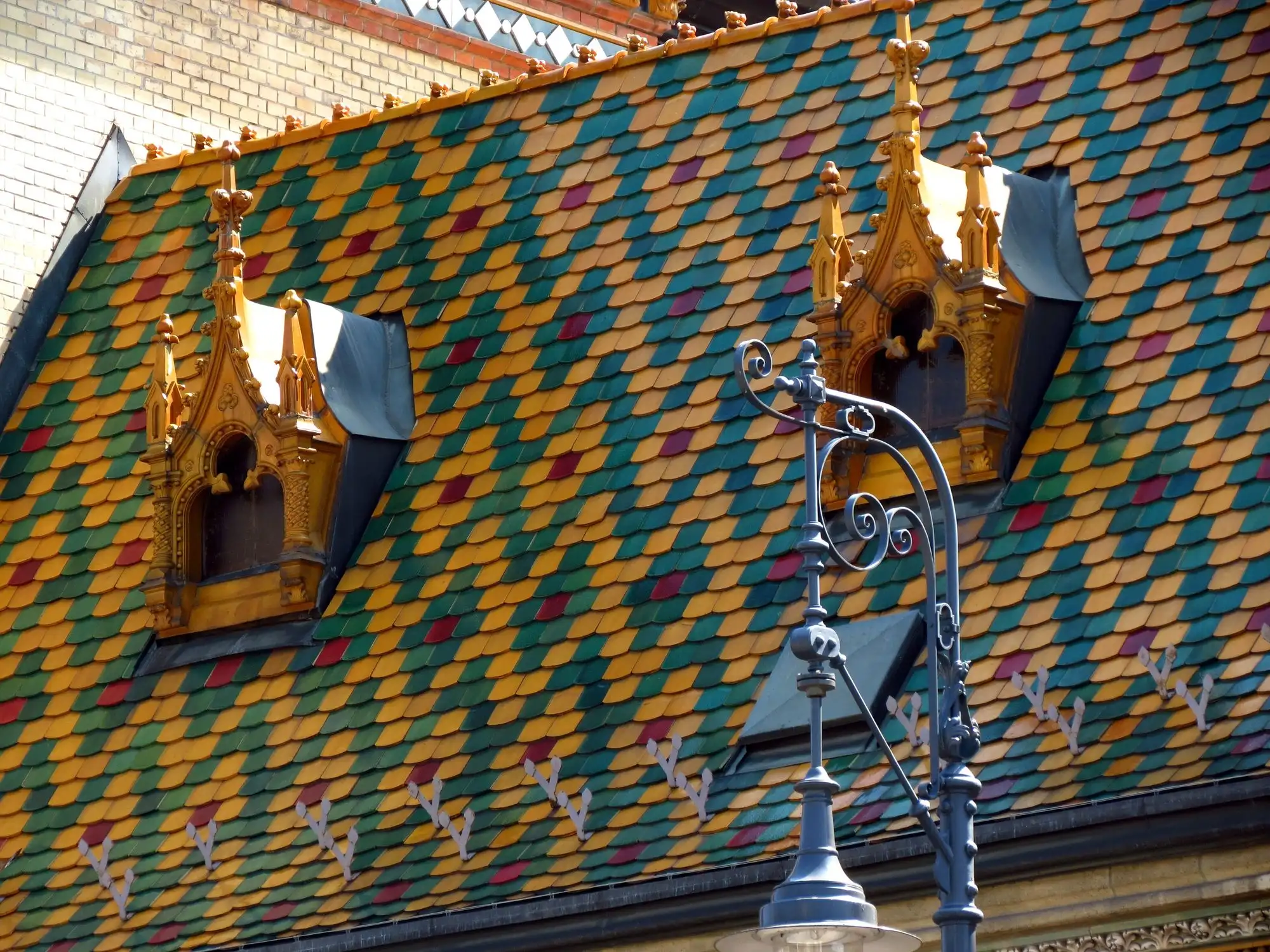
The front on Fővám tér is raw brick, broken up by geometric bands in yellow and red, with shaped bricks pressed by hand for the window and door surrounds and carved stone cornices above them.
The roof is the part that stops people on the pavement: coloured glazed tiles from Vilmos Zsolnay’s factory in Pécs, laid in diamonds over the gable and the two towers, with Zsolnay pyrogranite on the facade below.
Look along the ridge for the roof ventilators, which end in decorated ceramic heads, and at the two clocks on the front. Both work again after the 1990s rebuild, and on the hour they play Kodály’s “Én elmentem a vásárba”, “I went to the fair”.
The whole front only fits in a photograph from across the road, by the tram stop. Two minutes out there before you go in.
Start on the ground floor, where the market still works
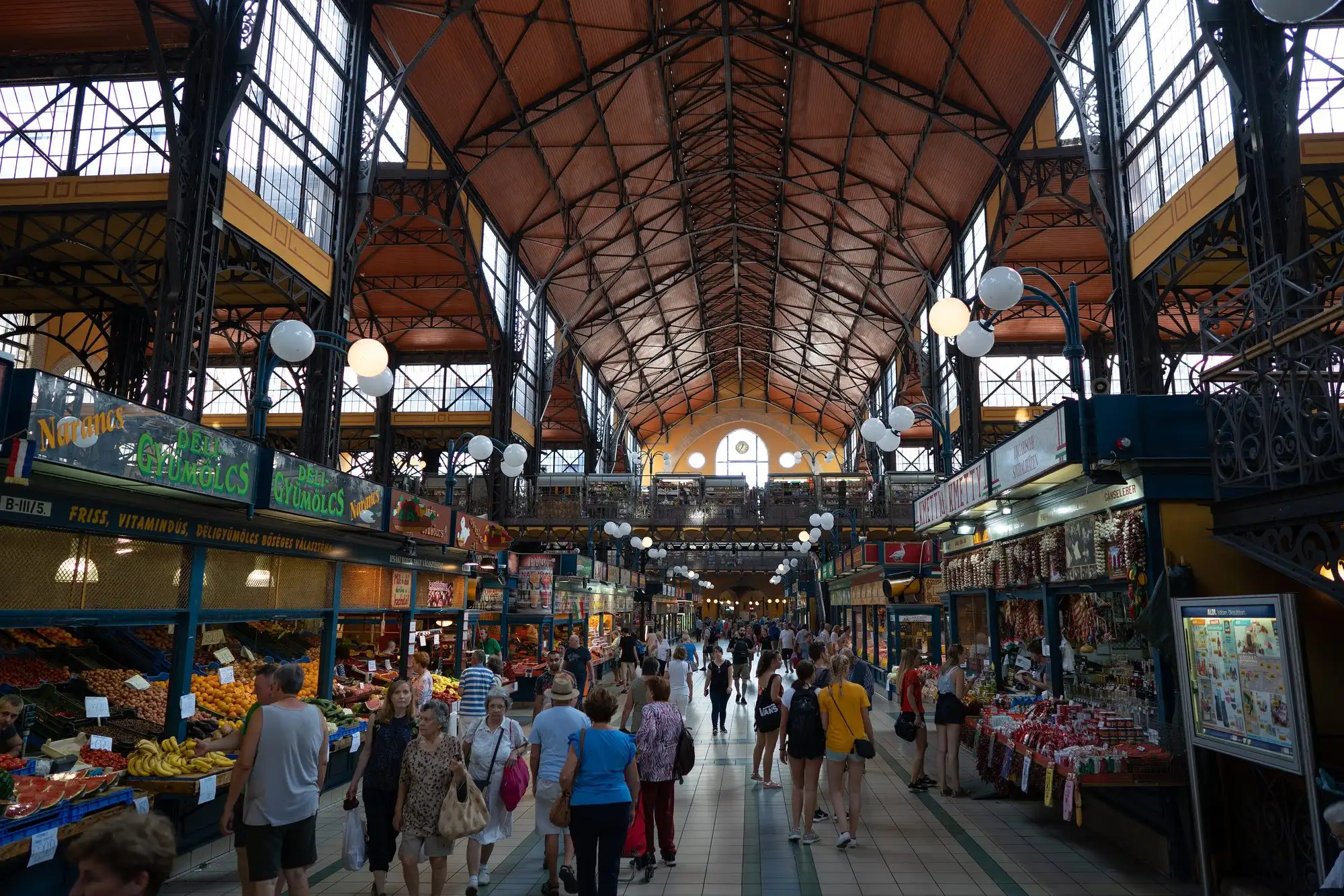
The ground floor is the working market and much the biggest of the three, with 123 trading units. Of those, 49 sell fruit and vegetables and 29 are butchers and cured meat, the two largest trades in the building. Every greengrocer in the hall is down here, and so is every butcher but one.
That is why the people carrying shopping bags are on this floor and the people carrying cameras are upstairs. Look for the strings of dried paprika and garlic hung along the stall fronts, the ground paprika sold loose by weight, and the salami and cured meat counters that run alongside the produce.
Goods are sold by weight against a displayed price and haggling is not the custom here. The stalls just inside the main door are the ones aimed at visitors, so walk on a bit before you buy.
Go up to the gallery to eat, not to shop
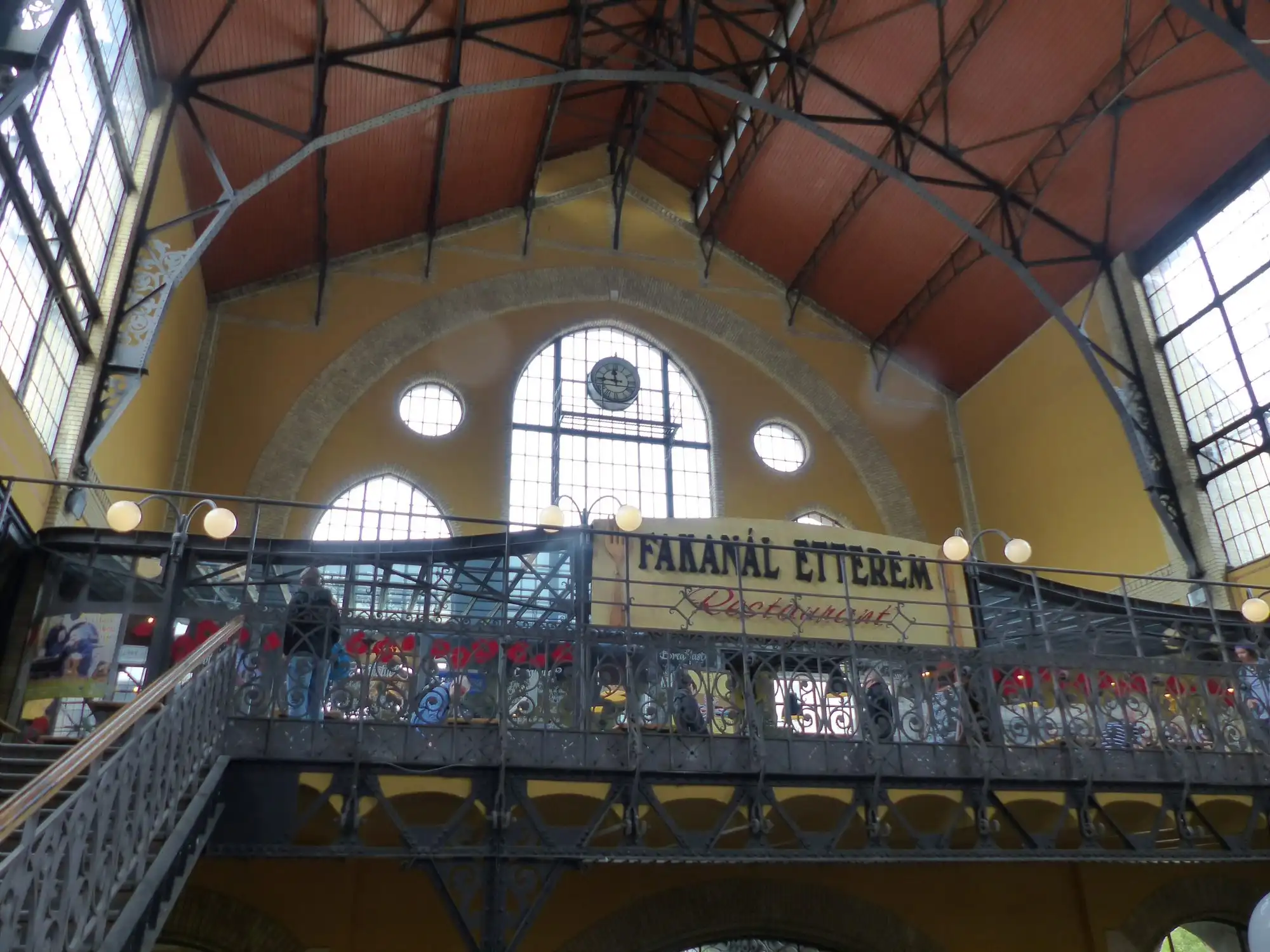
Every one of the hall’s nine restaurants and food counters is on the gallery, and so are 29 of its 30 gift shops. This is where the lángos is, along with goulash, stuffed cabbage and chimney cake, most of it sold over a counter and eaten standing at a shelf or squeezed onto a shared table.
There is a reason the gallery looks like this. When the hall opened in 1897 food could not be sold up here at all, so the balcony traders sold baskets, paper goods and gift items instead. The souvenirs are the original use. The food counters are the change.
The seating is badly oversubscribed between about 12:00 and 14:00, when people end up eating standing while others push past. Go up before noon or after two.
Go down to the cellar
The cellar is the floor most visitors never find, and the one both the city’s monuments record and the people who actually shop here pick out. It holds 26 units: seven selling fish and game, five selling pickles, four selling household goods, and a supermarket, which keeps longer hours than the hall above it.
The pickles are the thing, jar after jar of them, and the fish counters are where Hungarians buy the carp and catfish for halászlé. It is quieter than the floors above and it smells strongly of vinegar and fish, which is either the whole point or your cue to go back up.
We could not confirm a public lift down to this level, so plan on the stairs.
Look for the reason nothing in here is square
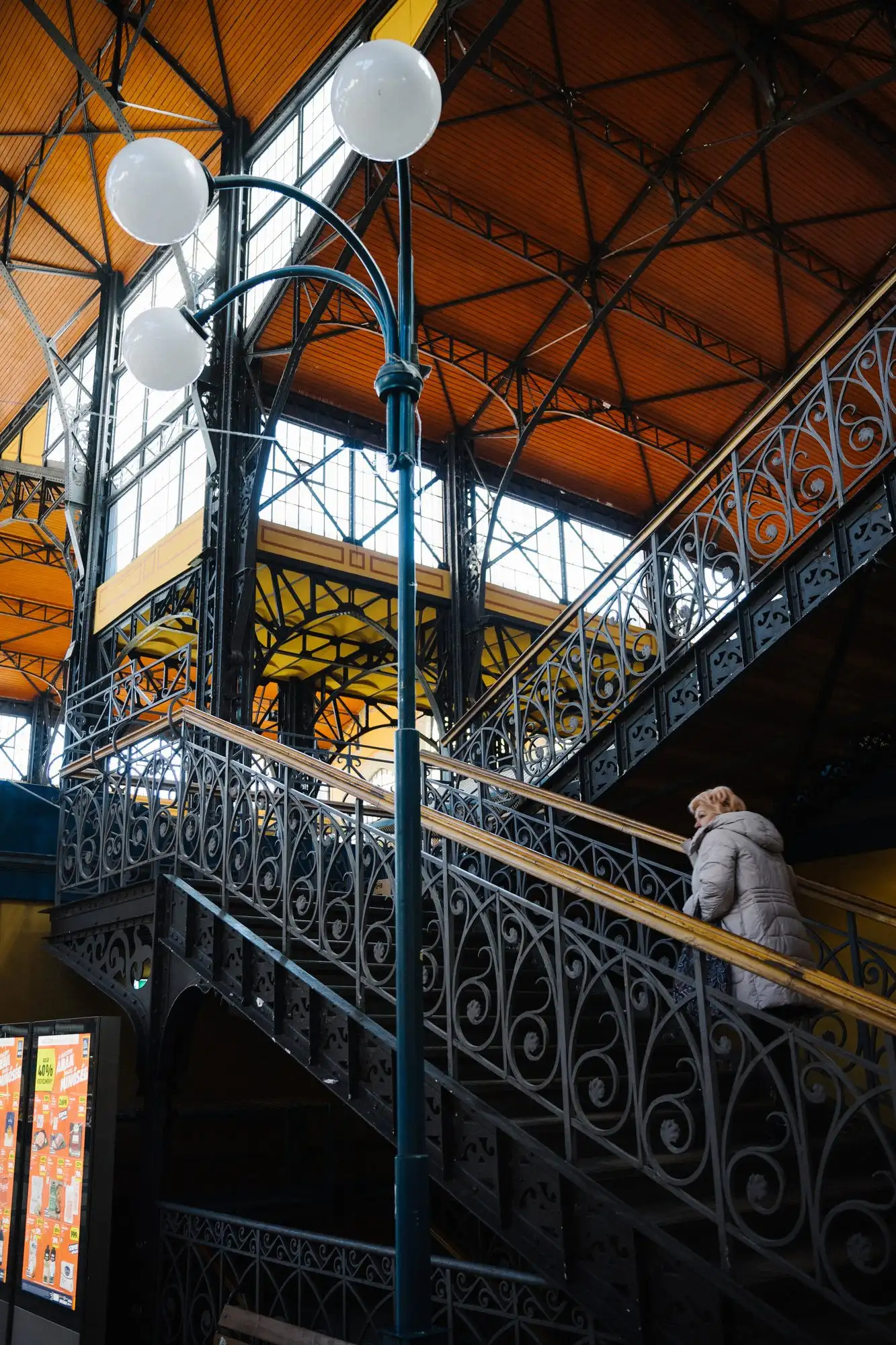
The frame holding all this up is iron, not steel, cast by the Schlick foundry, with brick only in the outer walls. At its highest the hall is 28 metres from the floor to the ridge, and a smoke vent runs the full length of that ridge, built for the steam locomotive that used to shunt goods wagons into the building.
The clever part is underfoot. The competition demanded that the hall even out the differences in level between the streets around it, so Samu Pecz laid the ground floor to fall 1.585 metres along the building’s diagonal, leaving no step anywhere on the trading floor for a handcart to catch on.
The gallery and the cellar are level, so no two columns are the same height and no two staircases bridge the same drop. The plot is not square either, and there is not one right angle in the whole building. Stand at the foot of a staircase and sight along the balcony line. The size of the place hides all of it.
Insider tips
Be there before 11:00 on a weekday
The produce is fully stocked, the shoppers still outnumber the visitors and there are seats upstairs. From about 11:30 the aisles fill with tour groups and stay full until mid-afternoon. Saturday is the busiest day of the week and Sunday the shortest.
Use the side door on Sóház utca
From the main entrance, turn right along Sóház utca and walk beside the wall to the first door. It puts you into the hall past the crush at the Fővám tér doors, which on a summer afternoon is worth the short detour.
Buy your paprika further in
The stalls closest to the main entrance are the ones set up for visitors. The same tubs of ground paprika, the same salami and the same embroidered cloths are sold by the traders further down the nave and in the side aisles.
Do the cellar first, not last
Most people run out of appetite for the market on the gallery and leave without ever going down. Start at the bottom with the pickles and the fish, work up through the produce, and finish with lunch upstairs.
Nearby attractions
The hall sits at the southern end of central Pest, with a museum ten minutes up the road, two thermal baths over the river and Váci utca running north from its front door.
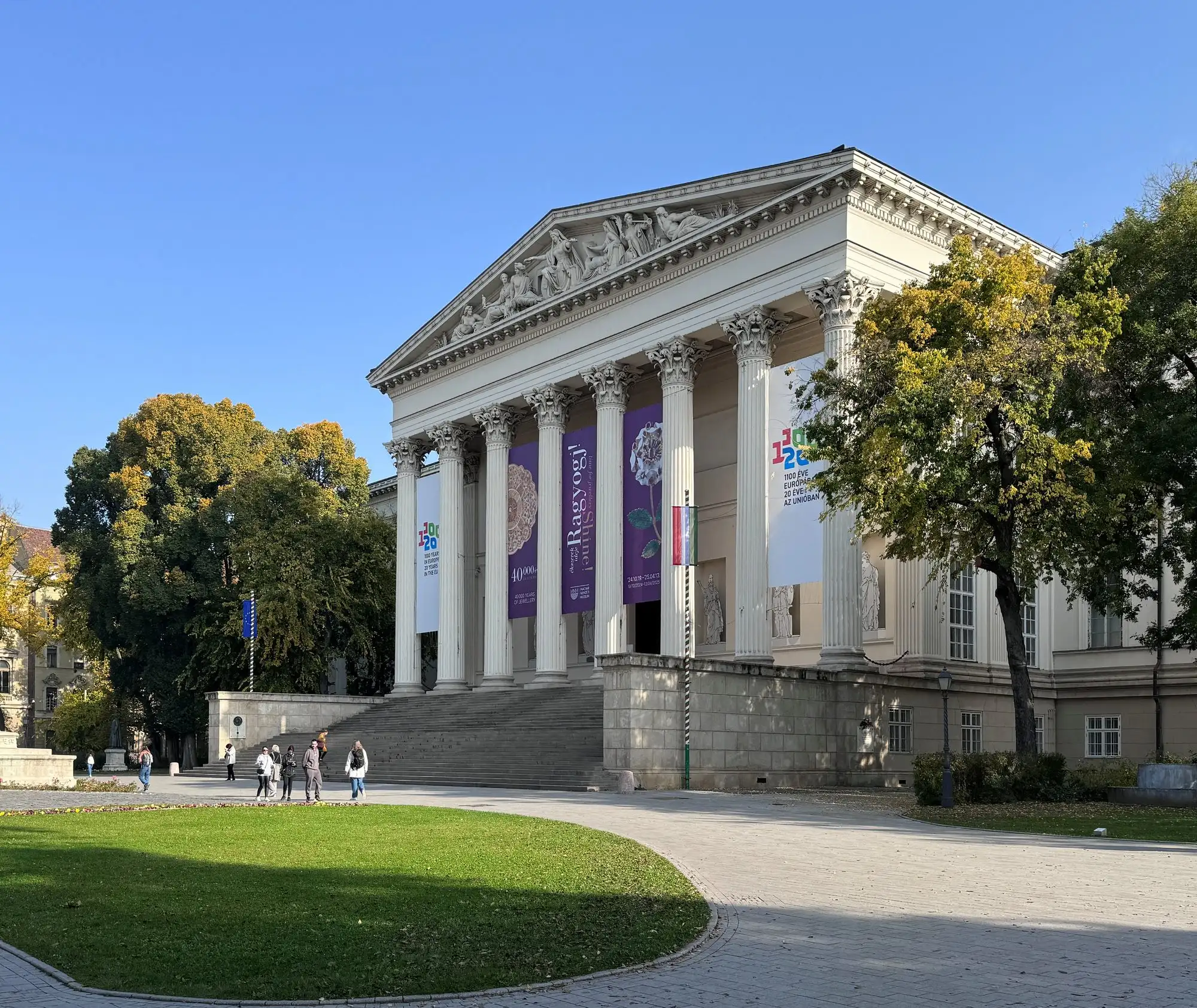
Hungarian National Museum
About 10 minutes north-east on foot, past Kálvin tér.
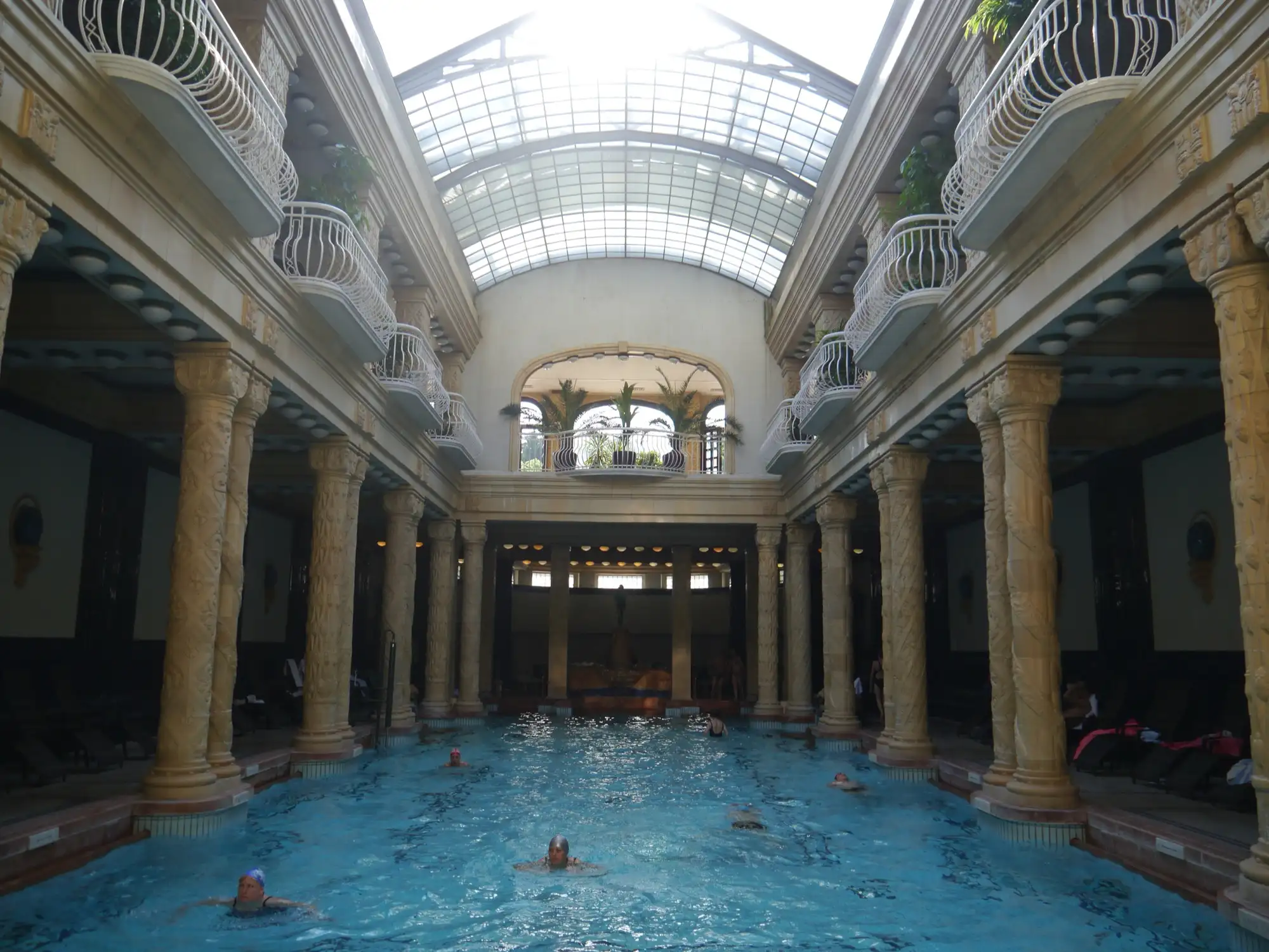
Gellért Thermal Bath
About 11 minutes on foot across Liberty Bridge, on the Buda bank.
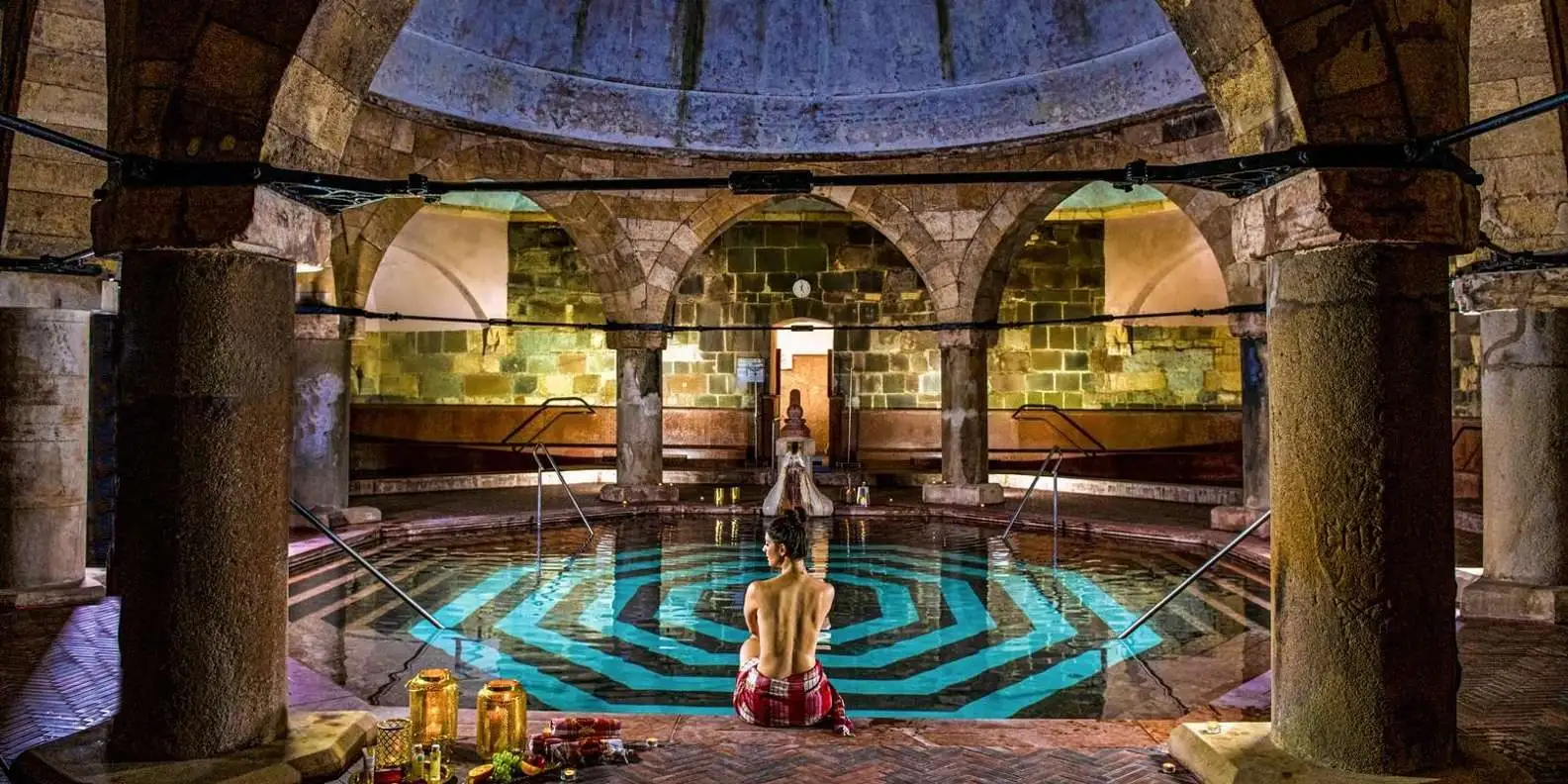
Rudas Thermal Bath
About 18 minutes on foot along the Buda embankment, under Gellért Hill.
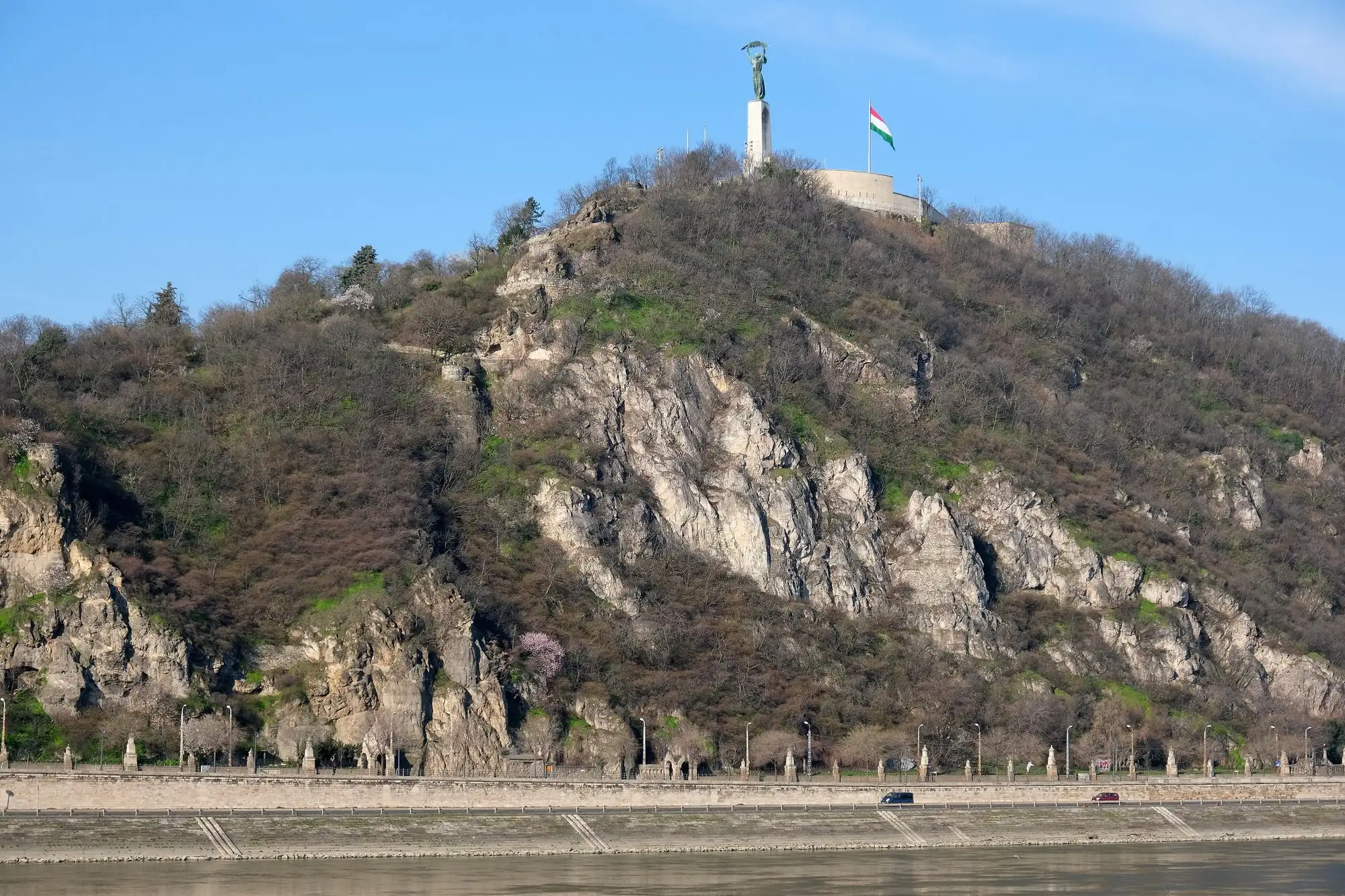
Gellért Hill
About 30 minutes on foot across Liberty Bridge, then steeply uphill to the Citadella.
History
Budapest’s population quadrupled after 1867, its street markets were attacked in the press as dirty and unsafe, and in 1892 the city put its first covered market hall out to competition. Samu Pecz won it, and the building that opened five years later was one of five thrown open on a single day.
- 1892
The competition
The city’s food supply committee invites designs. Nine arrive, and the jury places three of them joint first. Samu Pecz’s is judged the most practical, and he is commissioned for the working drawings.
- 1894
Building starts
Work begins on 25 June on the old salt house plot at Fővám tér, chosen so that goods could arrive by road, rail and river.
- 1896
Fire, ten days before handover
On 30 June fire runs through the nearly finished hall and burns 60 metres of the main roof. A year-long inquiry never settles the cause. Pecz redraws with more hydrants, roof hatches and ladders.
- 1897
Opened, with four other halls
The opening ceremony is on 15 February. Prime Minister Dezső Bánffy opens this hall and four others the same day, and the first goods train rolls in whistling.
- 1940s
War damage
The Second World War destroys the single-storey poultry hall at the back and badly damages the rearmost transept. The repairs put speed before care.
- 1960s
A town of booths
Traders’ own stalls fill the great space, and goods lifts with machine rooms on top are built inside it.
- 1991
Closed as dangerous
The building is found structurally unsafe and cleared.
- 1992 to 1994
Rebuilt
A full reconstruction restores the facade and the interior, hides every pipe and duct, and repairs the collapsed tunnel to the Danube. The hall wins the FIABCI Prix d’Excellence in 1999.