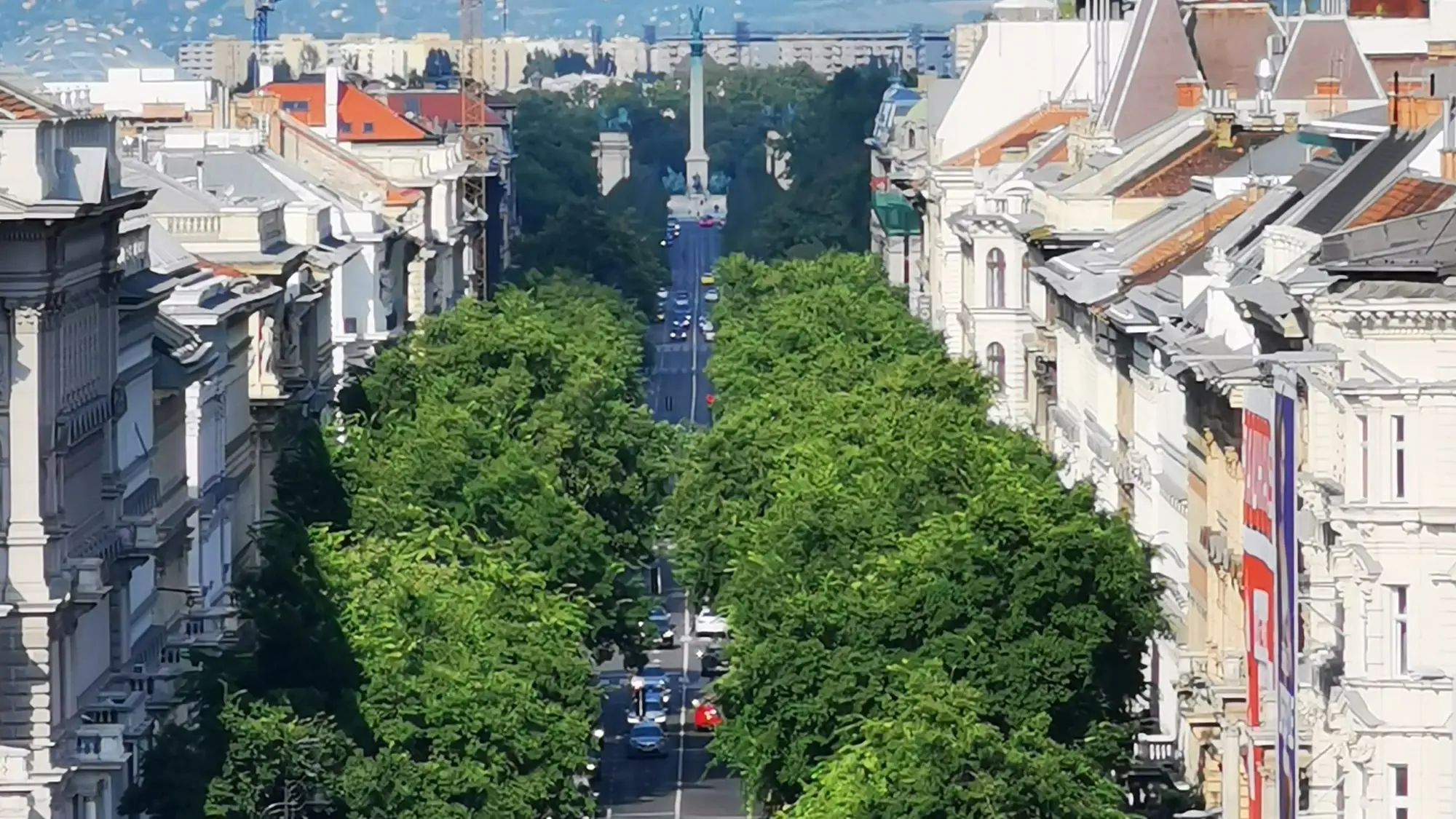
Andrássy Avenue is the street Budapest built to show itself off. It runs dead straight for about 2.3 kilometres, from the edge of the old city out to Heroes’ Square, lined with Neo-Renaissance palaces and a double row of trees, and it has been part of Budapest’s World Heritage listing since 2002. It costs nothing, it has no gate and no closing time, and the whole length takes about 35 minutes to walk without stops.
Underneath it runs the Millennium Underground, line M1, which follows the avenue from end to end with seven stations along it, so you can walk as far as you fancy and ride the rest. It is also the oldest underground railway on the European continent, and not one of its stations has a lift.
- Visit length
- 1 to 2 hours end to end, longer with stops
- Entry
- Free, a public street with no gate
- Book ahead
- Nothing to book. A guided walk can be
- Best time
- Early morning for the light, after dark for the lamps
- Nearest stop
- Metro M1 OperaUnder the avenue outside the Opera House. Stairs only, like every M1 station
- Accessibility
- Flat and paved throughout. No M1 station is step-free
- Length
- About 2.3 km, about 35 minutes end to end
- World Heritage
- Added to Budapest's listing in 2002
- Opened
- 20 August 1876, as Sugár út
Tours of Andrássy Avenue
One guided walk is about this street and nothing else. The other two put you on the Millennium Underground or drive the length of the avenue as part of a tour of the city.
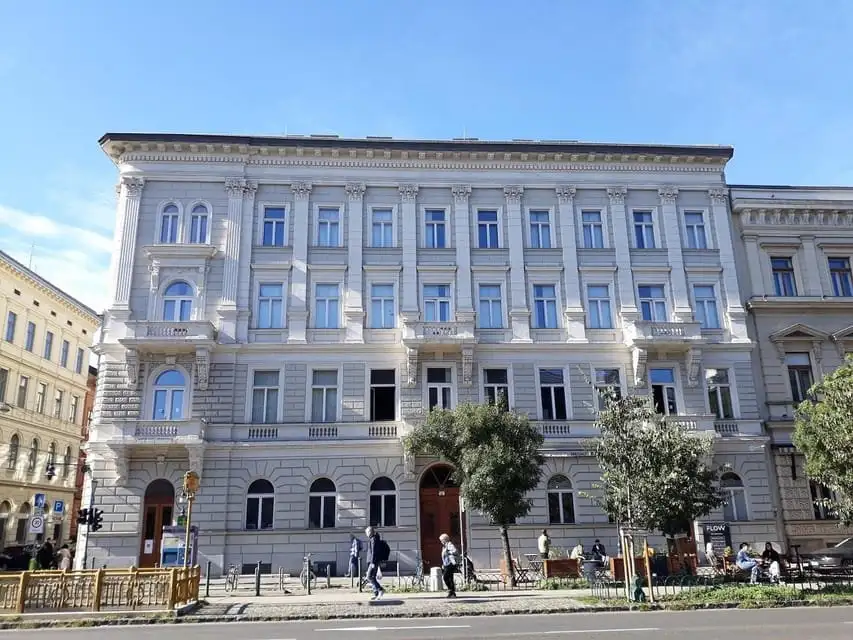
Budapest: Andrássy Avenue Tour & Folk Music Performance
Best for: Walking the whole avenue with someone who can tell you what you are looking at
- 2.5 hours
- Live guide in English
- Free cancellation up to 24 hours ahead
What’s included and more details
What’s included
- A licensed Hungarian guide for the walk
- A Hungarian folk music performance by your guide
- Meeting point
- Szent István tér, in front of the main entrance of St Stephen's Basilica
- On the route
- The Saxlehner Palace, the Opera House, the Drechsler Palace, the Művész Kávéház, Nagymező utca, the Liszt Academy, Oktogon, the University of Fine Arts and Kodály körönd, ending near Heroes' Square
- Goes inside
- Nothing. Entry to buildings is not included
- Book by
- At least 10 hours ahead
- Group
- A small group, or private if you choose that option
Budapest: Parliament, Basilica & Central Market History Tour
Best for: A short loop of Pest that puts you on the Millennium Underground
- 2 hours
- Live guide in English
- Free cancellation up to 24 hours ahead
What’s included and more details
What’s included
- A guided walk round the main sights of Pest
- A ride on the Millennium Underground
- A ride on the riverside tram
- Meeting point
- Outside Anna Cafe, Fővám tér 6, by the Central Market Hall. The guide carries a blue, grey or black umbrella
- Goes inside
- Nothing. Every sight is seen from outside
- Book by
- At least 10 minutes ahead
- Not included
- The metro and tram fare, and entry to the Parliament and the Basilica
- Not suitable for
- Wheelchair users or anyone with limited mobility
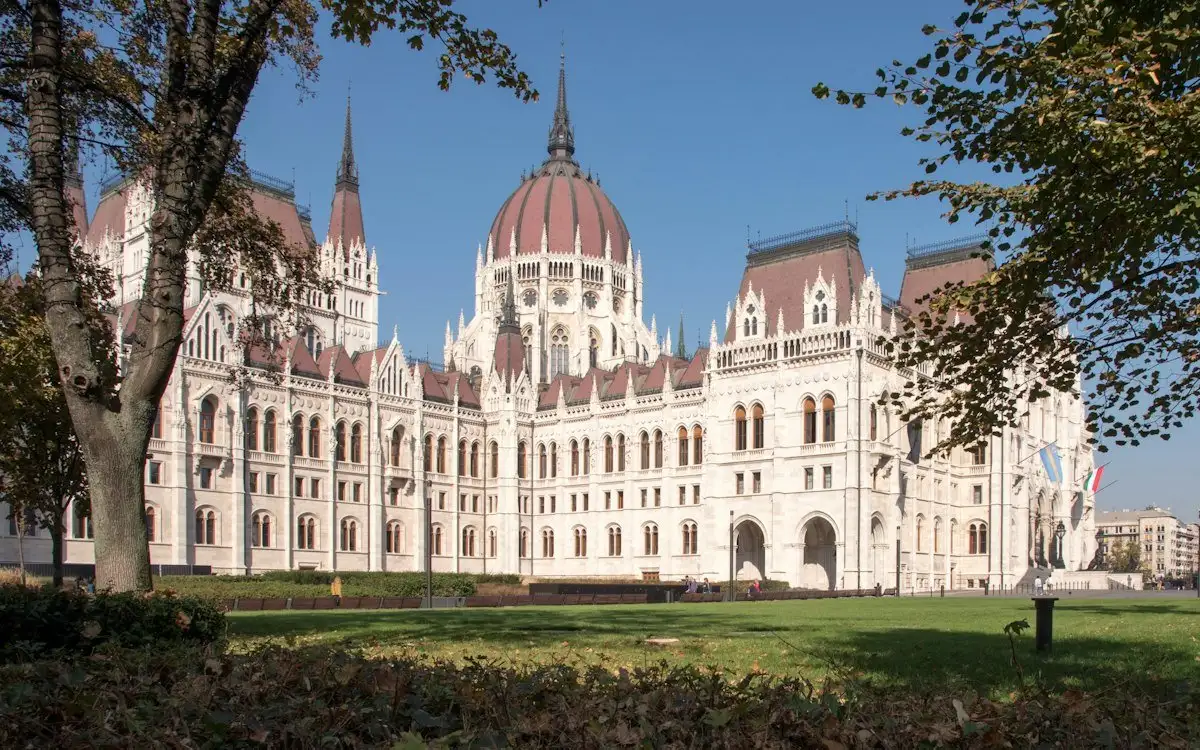
Grand City Tour
Best for: Seeing the avenue and both sides of the river from a coach seat
- About 3 hours
- Live guide in English, German or Spanish
- Cancel for free until 24 hours before your visit date and get a full refund
What’s included and more details
What’s included
- A licensed guide and an air-conditioned coach
- A stop in the Castle District
- A stop at Heroes' Square
- A drive the length of Andrássy Avenue
- Meeting point
- The Cityrama office, Báthory utca 19
- Not included
- Entrance fees and hotel pickup
- None of the three goes inside anything. The Opera House and the House of Terror sell their own admission at their own doors, and no tour on this page covers it
- The two walks run in English only. The coach tour is sold with a live guide in English, German or Spanish
- The avenue walk has to be booked at least ten hours ahead. The Pest loop takes bookings up to ten minutes before it leaves, and the coach tour is booked for a date
What each one covers and which suits you: Andrássy Avenue tours.
Highlights
Walk the full 2.3 kilometres
From the palaces at the city end out to the Millennium Monument, about 35 minutes without stops.
Ride the Millennium Underground
The oldest underground railway on the Continent, running since 1896, with timber-panelled platforms barely below the pavement.
Stop at Kodály körönd
Four palace blocks designed as one composition, with a hollow plane tree left from the first planting.
Plan your visit
Opening hours
Andrássy Avenue has no opening hours. It is a public street, lit all night, and nothing stops you walking it at four in the morning.
What keeps hours is everything on it. The Opera House and the House of Terror both publish their own times and both shut one day a week. The Kodály Memorial Museum at the körönd opens on Monday and from Wednesday to Friday, with Saturday by appointment only, and the Hopp Museum at number 103 keeps its times on its own site.
The one timetable worth a look is the metro’s. On some weekends the M1 runs a shortened route, with a replacement bus in place of part of the line.
Getting there
The M1 runs under the whole avenue, from Bajcsy-Zsilinszky út at the city end to Hősök tere at the far one, so no part of the street is far from a station. Opera is the stop for the Opera House, and Vörösmarty utca, not Vörösmarty tér, is the stop for the House of Terror.
Nearest stops
By car: there is no good reason to drive here. Parking is metered across District VI, there is nothing worth having on the avenue itself, and the top end closes for national holidays and for events at Heroes’ Square.
Every route, the measured walks in from the Basilica and Deák Ferenc tér, and the step-free way on: how to get to Andrássy Avenue.
Before you go
- Do it one way only. Walk out and ride the M1 back, or ride out and walk back, so you are not repeating 2.3 kilometres you have already looked at
- Plan where you stop. The cafés and museums along the avenue and City Park at the far end are where to count on a seat and a toilet, so pick the break rather than hope for one
- The middle is the traffic. Four lanes run the length of it, and the crossing at Oktogon is the busiest point on the walk
- The outer half has service roads. They carry the local traffic and the cyclists between Oktogon and Kodály körönd, so look both ways twice at the side crossings
- The top end closes for national holidays and for big events at Heroes’ Square, when buses are diverted off the avenue. Check before you plan to ride rather than walk
Accessibility
Flat and paved the entire length, with wide pavements on both sides and no gradient worth the name. The metro underneath is another matter.
- No M1 station is step-free. Every one of the seven stations under the avenue is reached by stairs, and there is no lift anywhere on the line
- Trams 4 and 6 at Oktogon are the level way on. Their stops are barrier-free and low-floor Combinos run on both lines
- The nearest lifts are on the M3, at Arany János utca and at Deák Ferenc tér, both a short walk from the city end
- The buses and trolleybuses are low-floor, trolleybuses 70 and 78 along the avenue included
The step-free routes on and off the avenue are set out properly in our getting there guide.
What to do here
Six stops, in walking order from the city end. None of them takes long, and the two big museums have pages of their own here.
Ride the M1 at least one stop
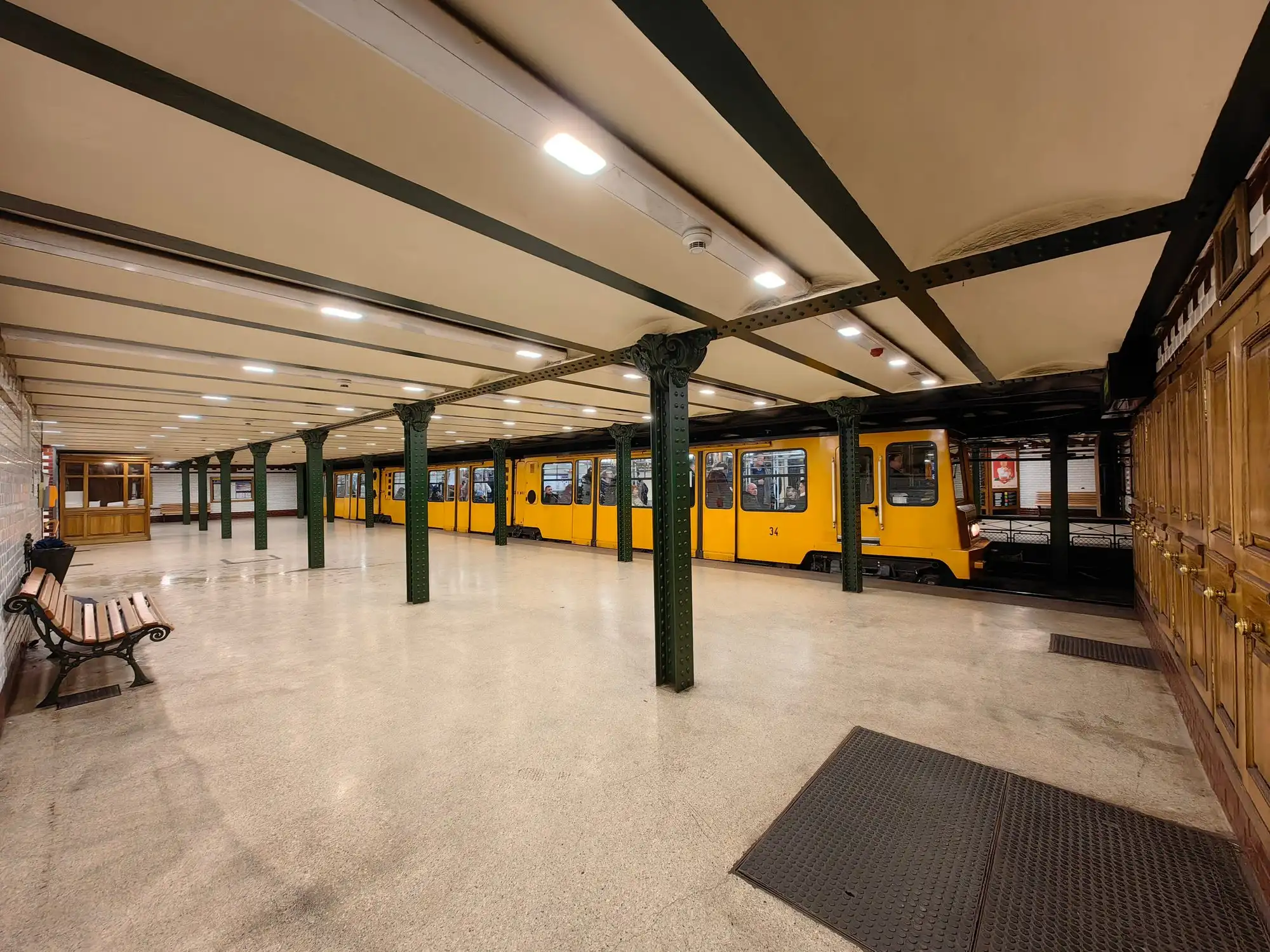
The yellow line under your feet is the Millennium Underground, the oldest underground railway on the European continent, running since 2 May 1896. Its seven stations under the avenue still have their timber ticket booths and riveted iron columns.
The stations are the point rather than the journey, so ride one or two stops and come back up. Stairs at every one, and no lift anywhere on the line. Every station, the tickets, the timetable and the museum at Deák tér are on our Millennium Underground page.
Give the Opera House its hour
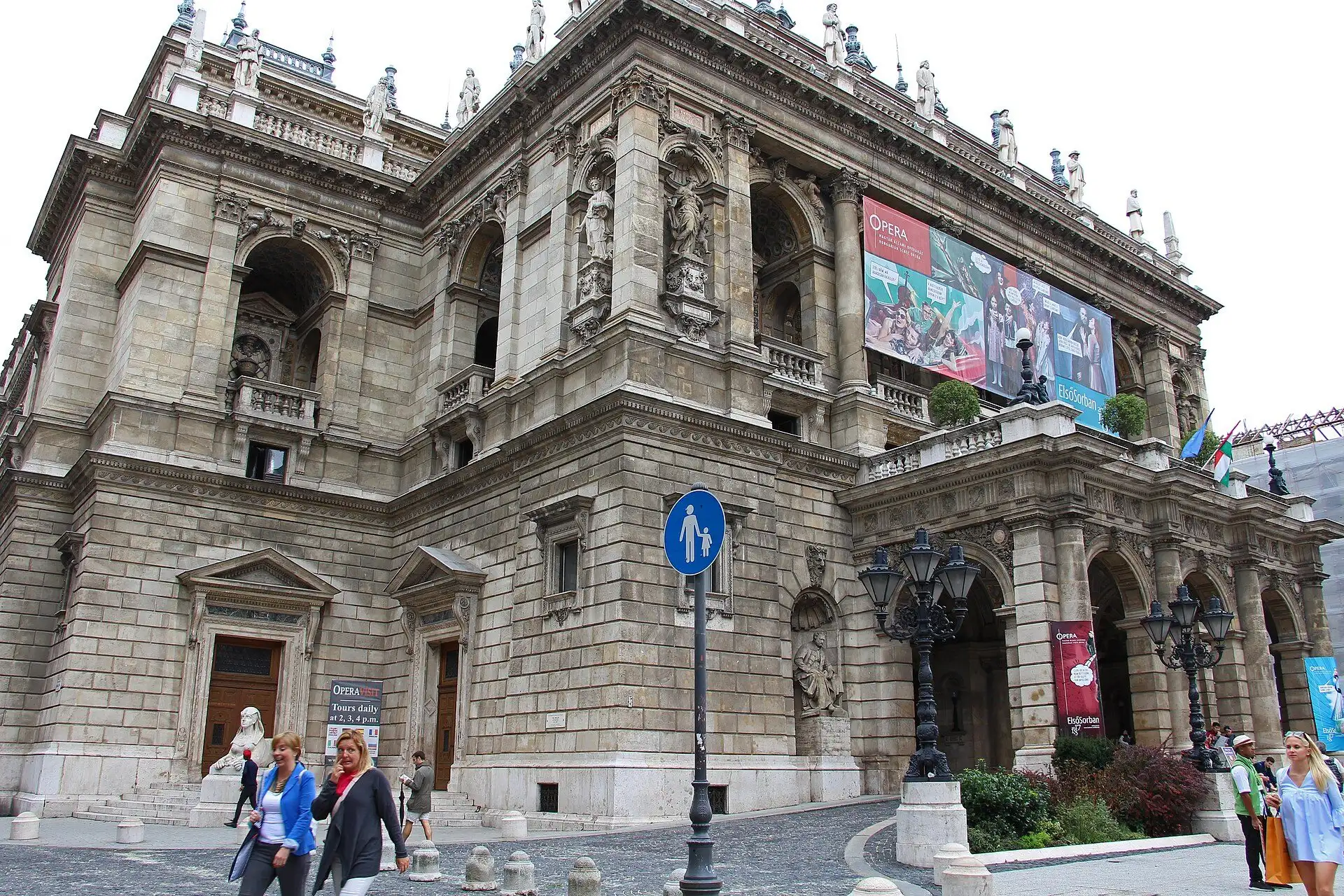
Miklós Ybl’s Opera House opened in 1884 and is the most distinguished thing on the avenue. It went up on a plot that cost nothing to buy, so all the money went into the building rather than the land, and that is why it merges into the terrace rather than standing clear of it.
The walk past is free and takes a minute. What is sold is the inside, on a guided tour, and that is a decision in its own right. Our Opera House guide covers what you see, and the tours page has the times and the languages.
Across the road is the Drechsler Palace, built as the MÁV pension institute’s tenement with the smartest café and restaurant in the city on its ground floor and a club above it, later the Ballet Institute, now a hotel. A few doors along, the Művész Kávéház has been serving coffee on this stretch since 1898.
Stop at the House of Terror, and know what it is first
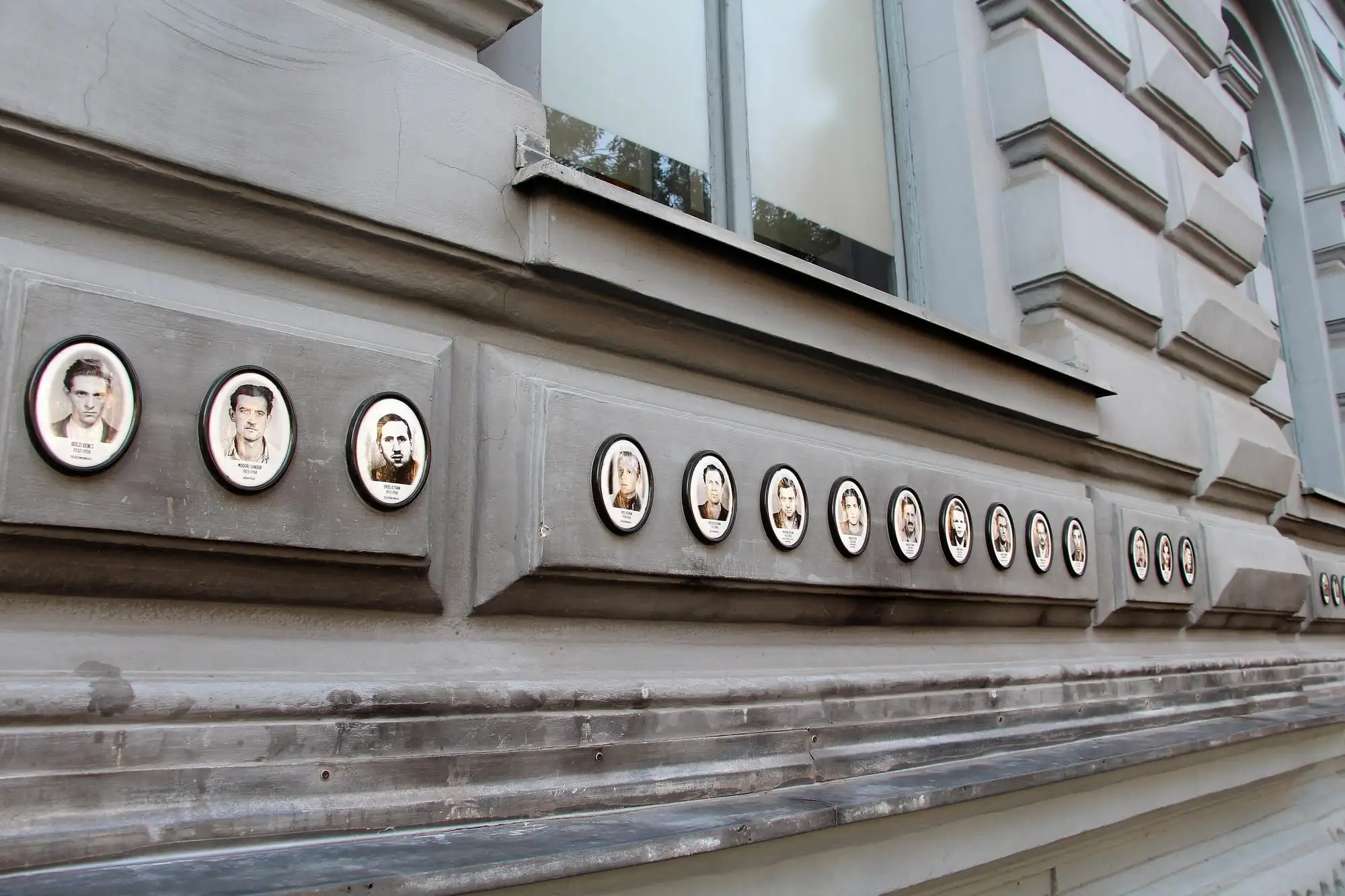
Andrássy út 60 was the headquarters of the Arrow Cross and then of the communist political police, and the museum inside it is about what was done to people in that building. It is not a general history museum and it is not a light hour, so go in knowing that. From the pavement, the thing to look at is the black canopy round the roofline and the portrait medallions set along the wall beneath it.
Two practical things before you walk up. Admission is sold at the museum’s cash desk on the day rather than online, so nothing is timed and nothing is booked, and the museum warns of a wait at the entrance when it is busy. The one way in you can book ahead is a guided tour that includes entry.
What is inside, how long to allow and who pays less: our House of Terror guide and its tickets page.
Walk a lap of Kodály körönd
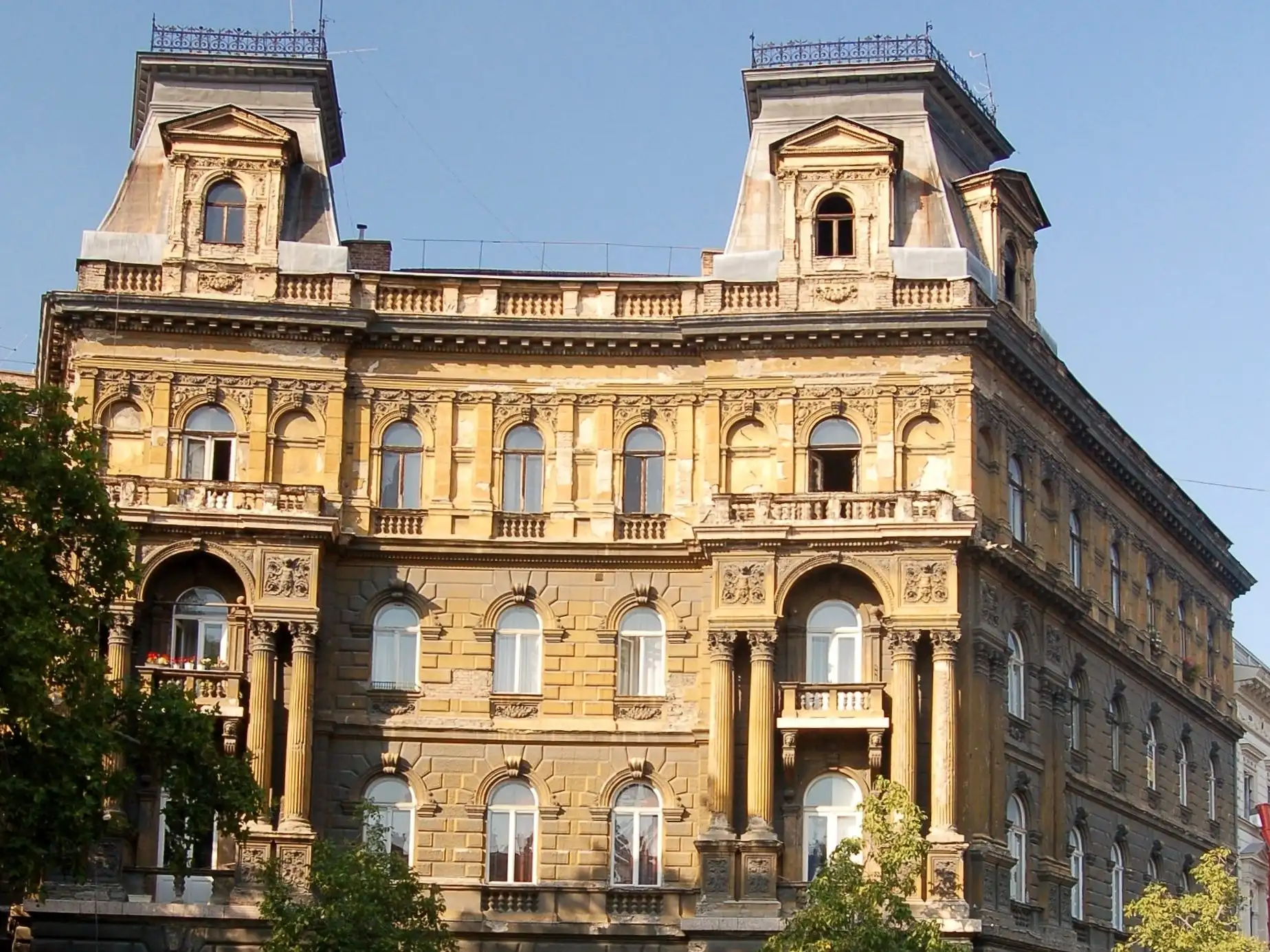
Four huge blocks ring this circus, designed between 1881 and 1884 as a single architectural composition under Gusztáv Petschacher, who set the look of the whole avenue. Walk round it rather than straight through. The Vasutas-ház, the MÁV pension tenement, the Hübner-udvar and the Andrássy-udvar were meant to be read as one building bent into a circle, and from the middle you can see that they are.
The statues are not what they appear to be. Of the four put up between 1902 and 1905, only the Miklós Zrínyi, by József Róna, still stands here; the other three went up in the late 1950s, after the Bethlen and Bocskai statues were moved to Heroes’ Square and the Pálffy one was taken down. The square was plain Körönd until 4 November 1938, when it was renamed Hitler tér, and it has been Kodály körönd since 1971.
Then find the old plane tree, in front of the MÁV tenement. It is a survivor of the avenue’s first planting, over 150 years old, with a hollow at the base of its trunk big enough for several people, now covered with a grille after a man lived in it for the best part of a year. Zoltán Kodály’s ground-floor flat in the Andrássy-udvar is a museum, kept much as he left it in 1967, open on Monday and from Wednesday to Friday.
Look for the Hopp villa and its garden
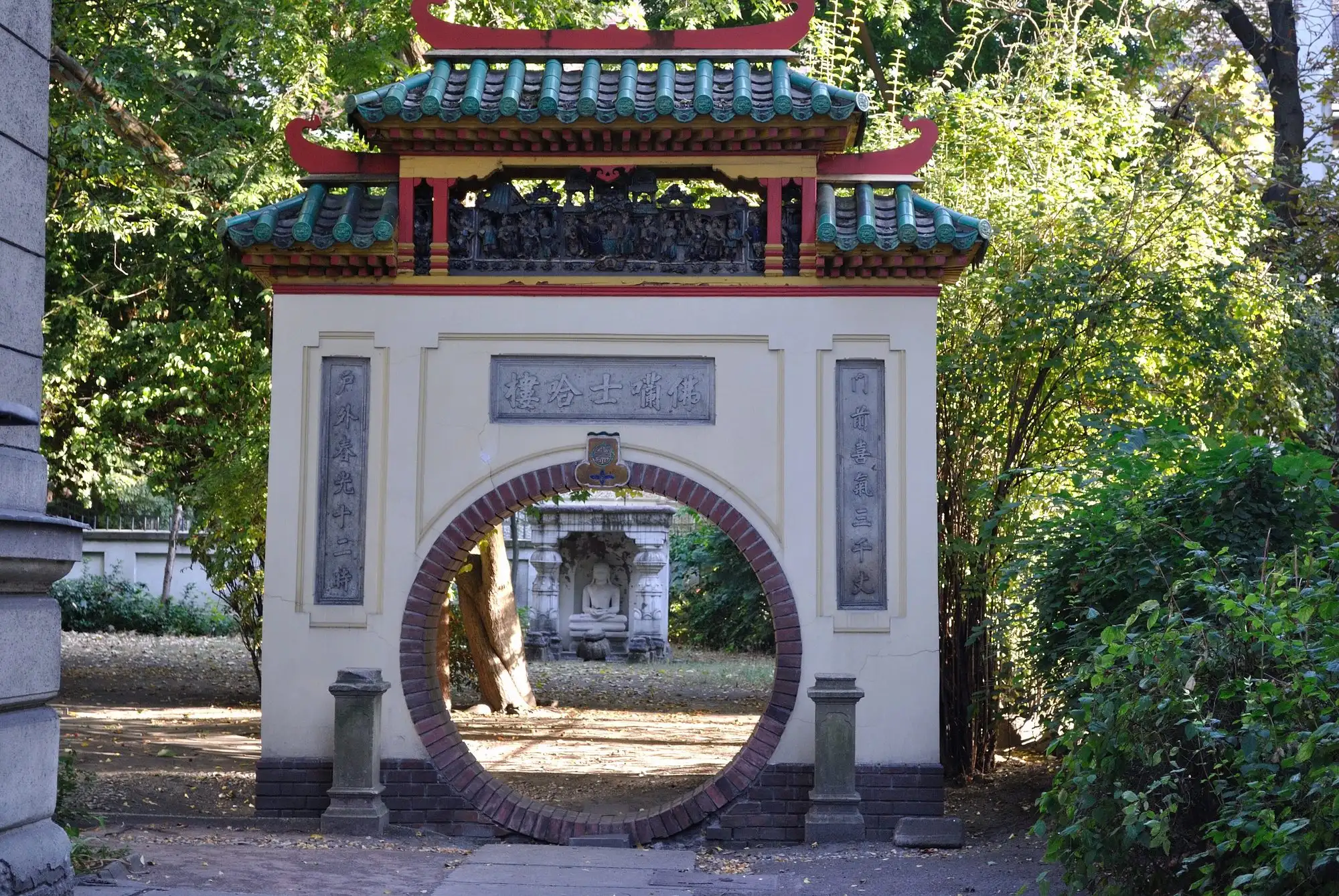
Past Kodály körönd the avenue changes shape. Front gardens appear in front of the houses, detached villas take over from Bajza utca onwards, and the green keeps widening the closer you get to City Park. Most of those villas are embassies and institutes now, which is why the outer third is so quiet.
The one you can walk into is number 103. Ferenc Hopp, a world traveller who collected Asian art, lived in the Knorr villa here and left it to the state, and it is now the Ferenc Hopp Museum of Asiatic Arts. The garden is worth the stop even if you do not go in. A Chinese moon gate and a stone Indian monument stand among the trees, close enough to the railings to see from the pavement.
Check the museum’s own site for its times before you build a morning round it.
Finish at Heroes' Square, and keep going
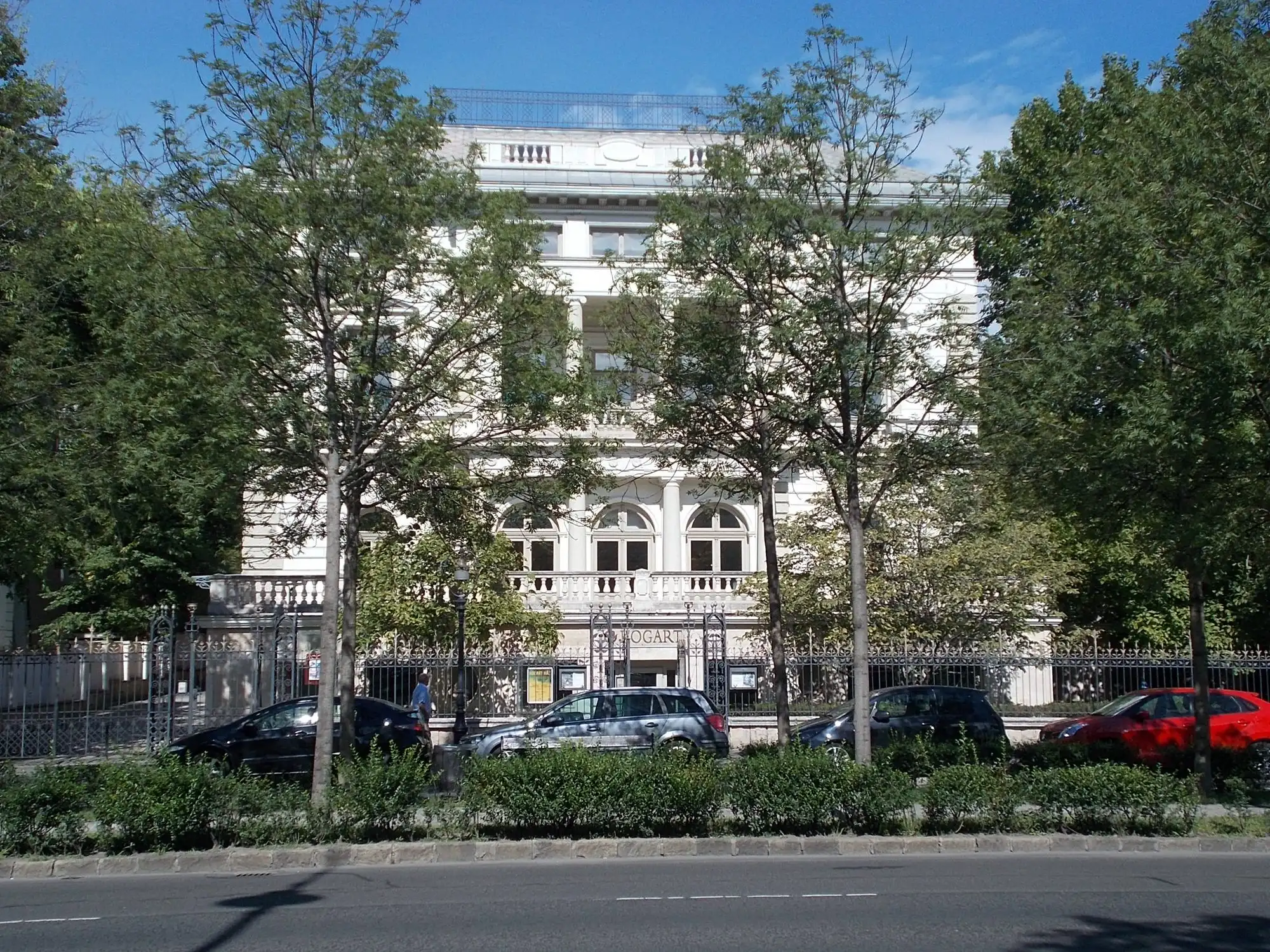
The last stretch, from Kodály körönd to the square, is about 12 minutes and it is the best of the walk: a service road on each side, villas behind gardens, and almost no shop fronts left. If you only do part of the avenue, do this part.
It ends at Hősök tere, where the Millennium Monument closes the view you have had in front of you the whole way. The square is free and open at any hour, and what is on it is a subject of its own in our Heroes’ Square guide.
Do not stop there. City Park starts directly behind the square and carries on with the Zoo, Széchenyi and Vajdahunyad Castle, so the end of this walk is the beginning of another one.
Insider tips
Go early, or go after dark
First thing in the morning the sun is low enough to light one side of the street properly and the traffic has not built up. The other good time is after dark, when the lamps are on down the whole length and the Opera House and the palaces are lit.
Start at the Basilica, not at a metro station
St Stephen’s Basilica is about 6 minutes from the Opera House on foot, and walking in from there gives you the start of the avenue rather than dropping you halfway along it. From Deák Ferenc tér it is about 10 minutes to the same point.
Vörösmarty utca is not Vörösmarty tér
Two stations on the same line, five stops apart, and people get this wrong every day. Vörösmarty tér is the city-centre terminus. Vörösmarty utca is on the avenue, and it is the stop for the House of Terror.
The shopping is the first 500 metres
Louis Vuitton opened beside the Opera House in 2006 and Gucci, Burberry and Max Mara followed, which is how the avenue became a luxury street again. All of it is at the city end. Past Oktogon the shop fronts thin out and then stop, so do not walk two kilometres expecting more of them.
Nearby attractions
Everything worth adding to this walk is either on the avenue or at one end of it.
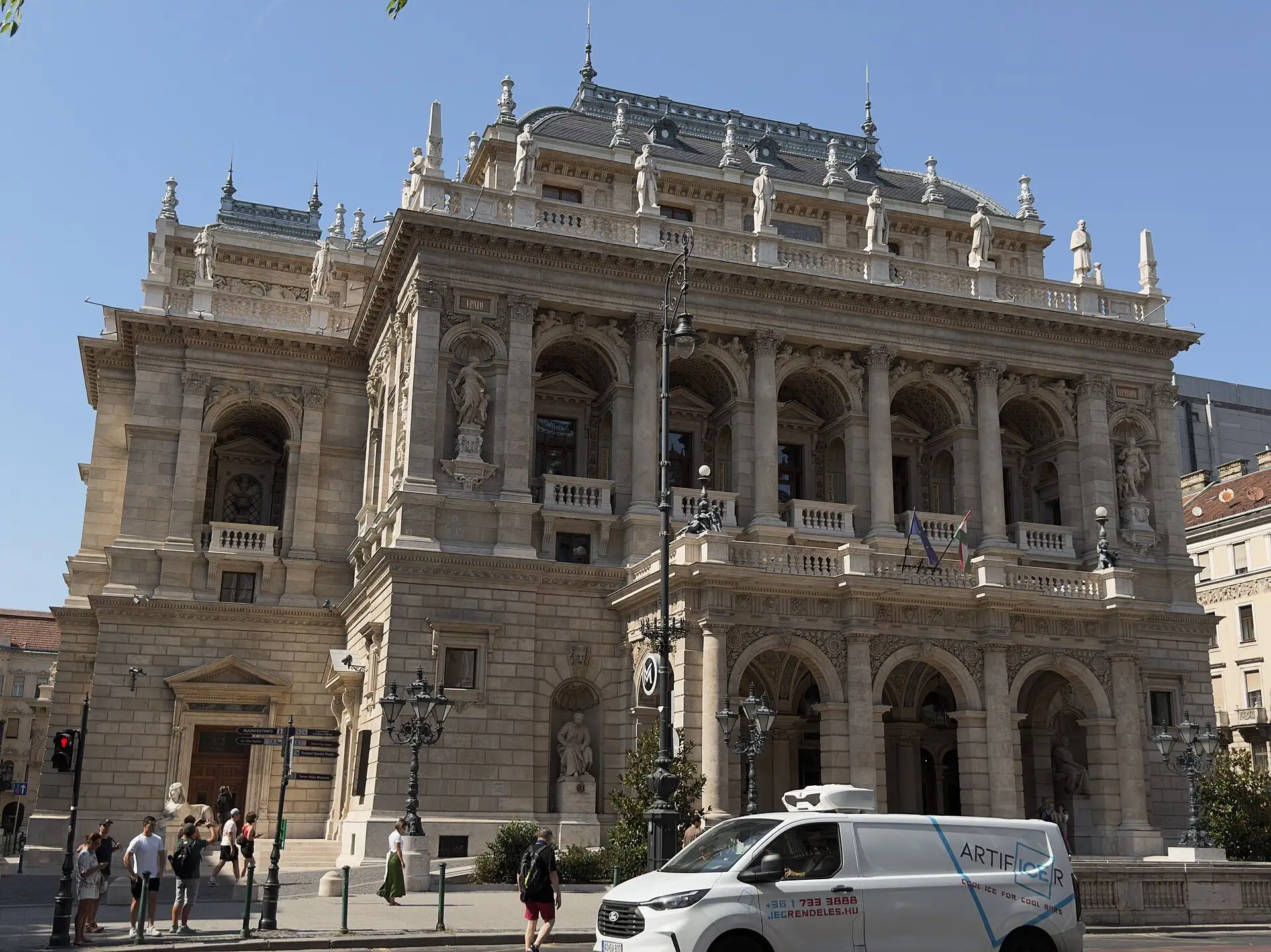
Hungarian State Opera House
On the avenue at number 22, about 8 minutes from Oktogon and 6 from St Stephen’s Basilica.
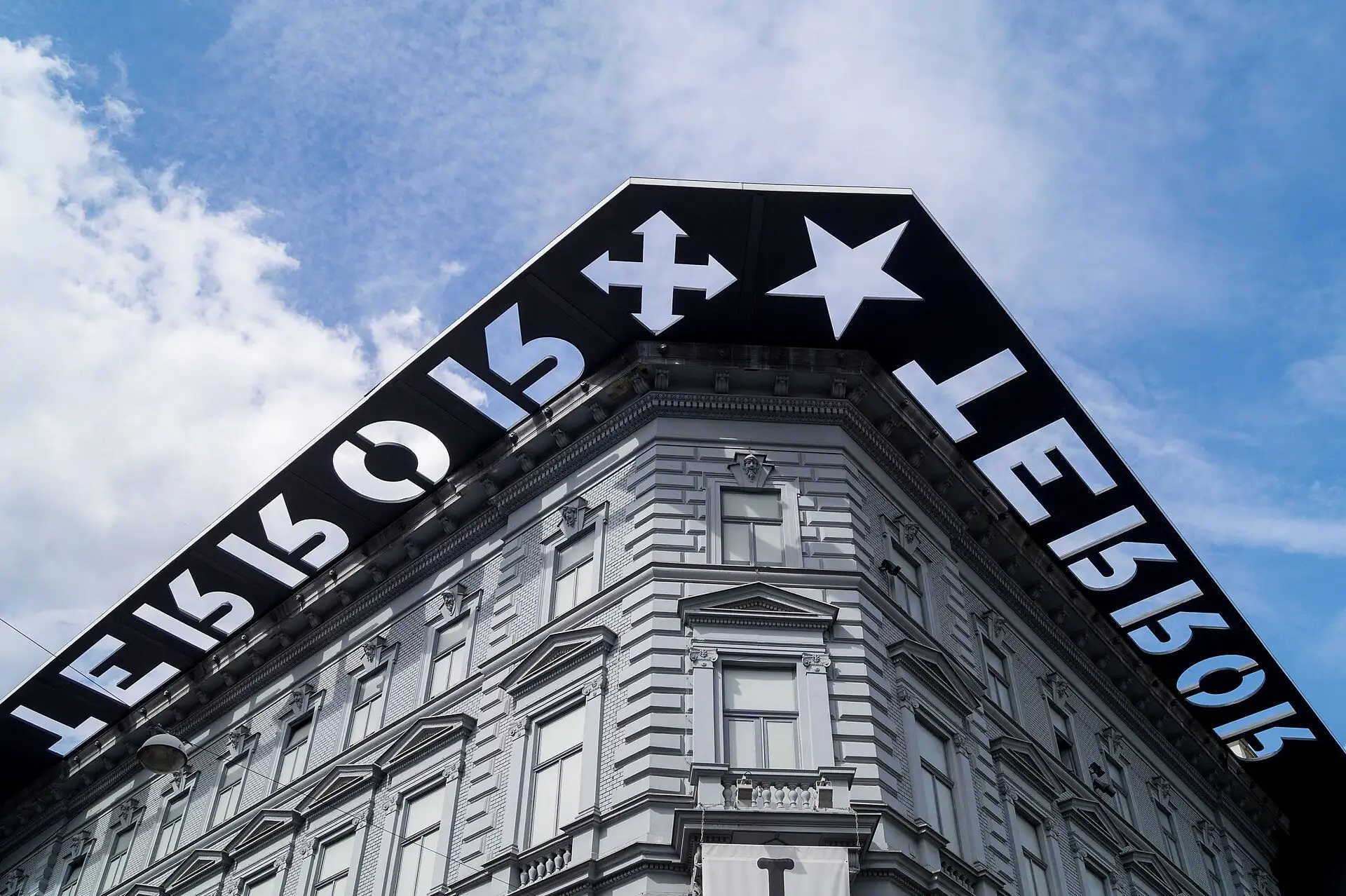
House of Terror Museum
On the avenue at number 60, about 4 minutes north of Oktogon.
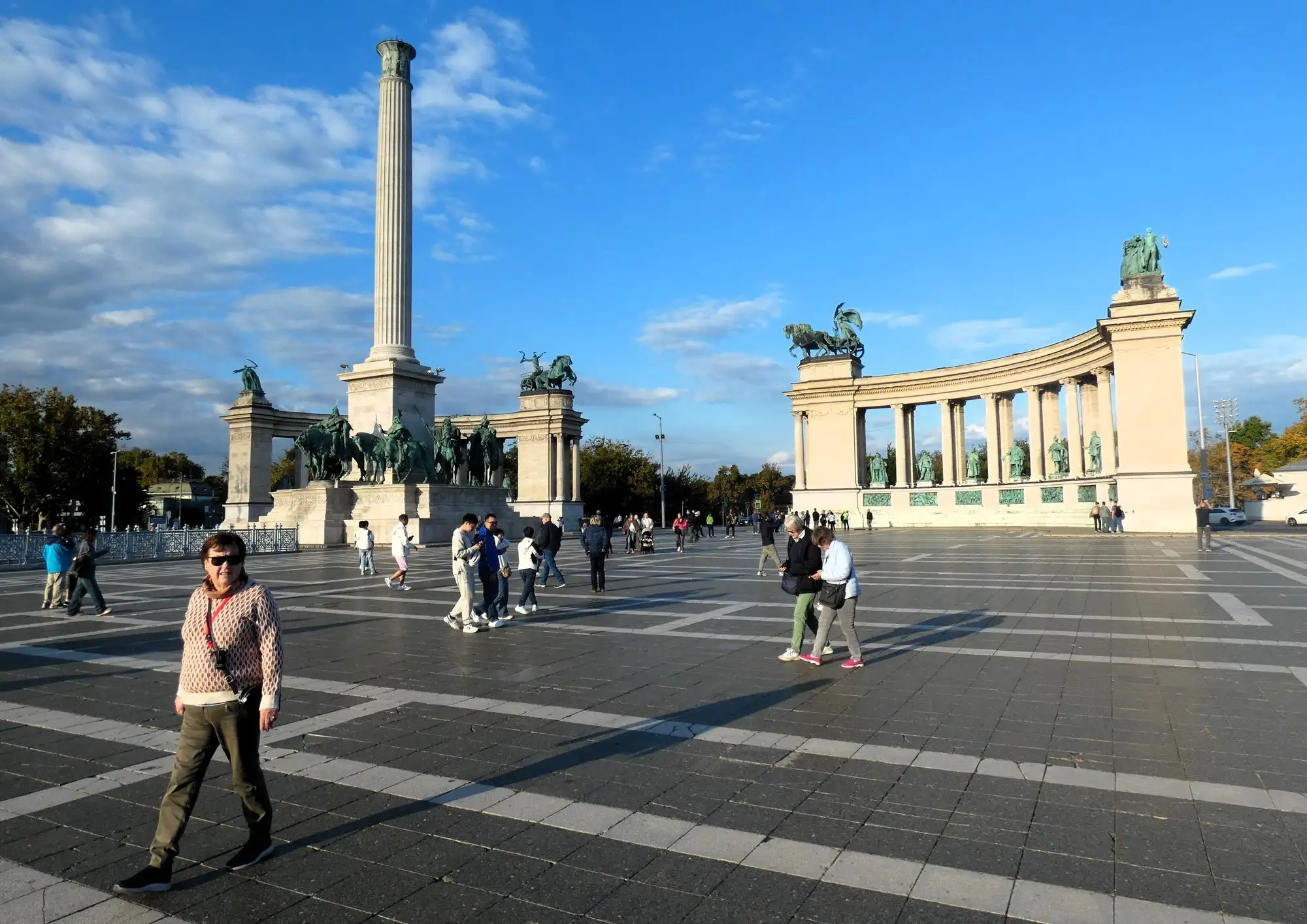
Heroes' Square
The far end of the avenue, about 35 minutes on foot from the city end or six stops on the M1.
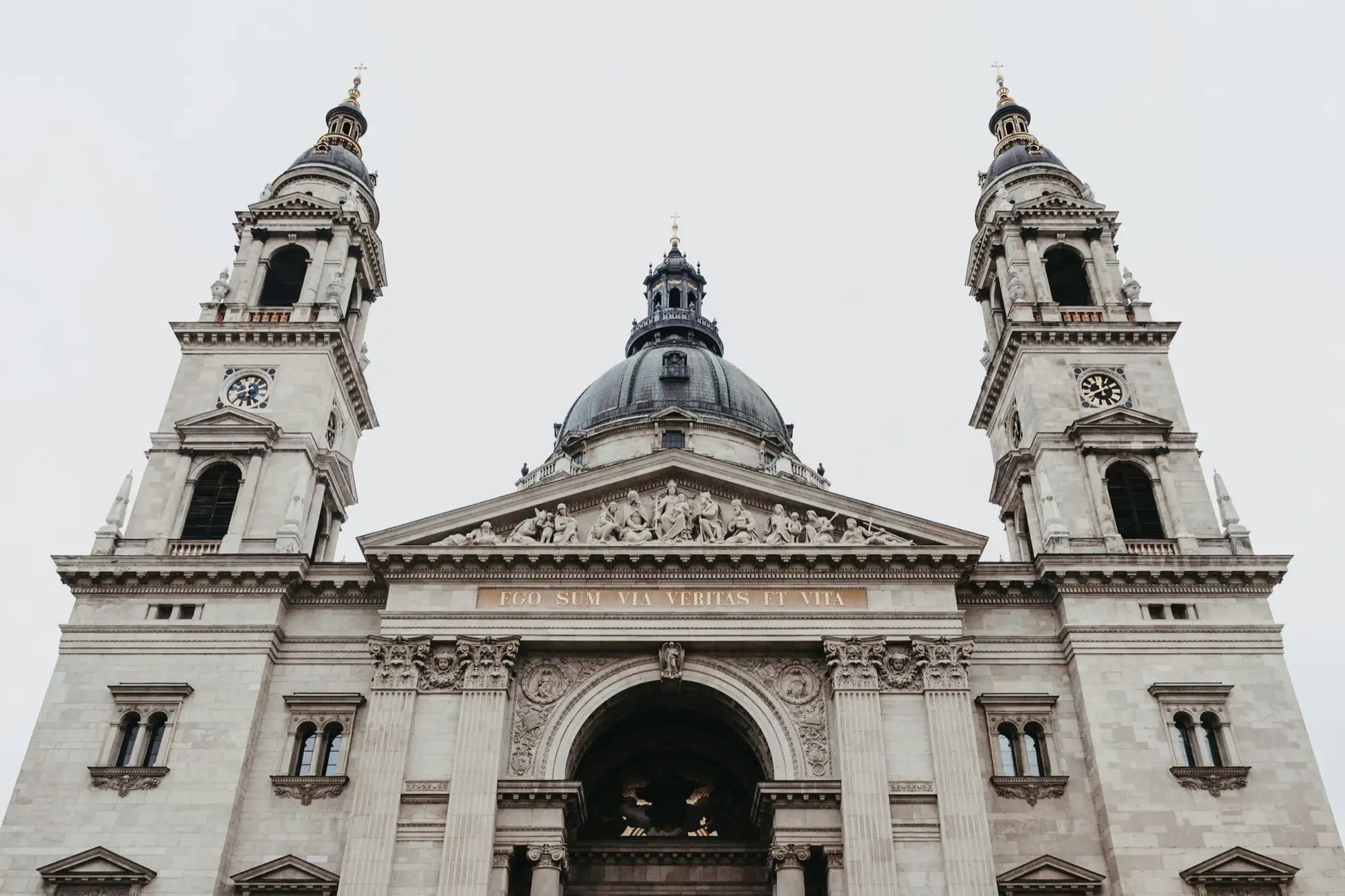
St. Stephen's Basilica
About 6 minutes west of the Opera House, near the start of the avenue.
Did you know?
- A hundred and thirty-two buildings line the avenue and only five of them are modern.
- It is as straight as it looks. Measured along the road, the avenue comes out the same length as the straight line drawn between its two ends, to the metre.
- The grandest café in the city, the Abbázia, stood at number 49 on the Oktogon corner. Another of them, the Japán, is the Írók Boltja, the Writers’ Bookshop, today.
- UNESCO rates the stations under the avenue as original and the ones in City Park as a compromise, because those were moved below ground from the positions they first had on the surface.
- The Párisi Nagy Áruház at number 39 went on working as a department store right through the communist decades, under the name Divatcsarnok.
History
Lajos Kossuth argued in print for a tree-lined road out to the city wood in 1841, and nothing happened for a quarter of a century. What finally built it was congestion. Everything moving between inner Pest and City Park had to squeeze through Király utca, where carriages could barely pass. Gyula Andrássy, who had spent his exile after 1849 in Paris watching Haussmann cut boulevards through it, took the idea up again in 1868, and Parliament ordered the avenue two years later.
- 1841
Lajos Kossuth argues in a Pest newspaper for a shaded avenue out to the city wood.
- 1870
Act LX orders the avenue built and puts the Board of Public Works in charge of it.
- 1872
Building begins. The plots are meant to be built up within five years.
- 1876
The avenue opens as Sugár út. Carriages run on 20 August and it is formally handed over the next day.
- 1885
It takes Gyula Andrássy’s name, a year after the Opera House opens on it.
- 1896
The Continent’s first underground railway opens beneath it on 2 May.
- 2002
The avenue and the underground are added to Budapest’s World Heritage listing.
The whole story, from Kossuth’s newspaper piece to the trees: history of Andrássy Avenue.