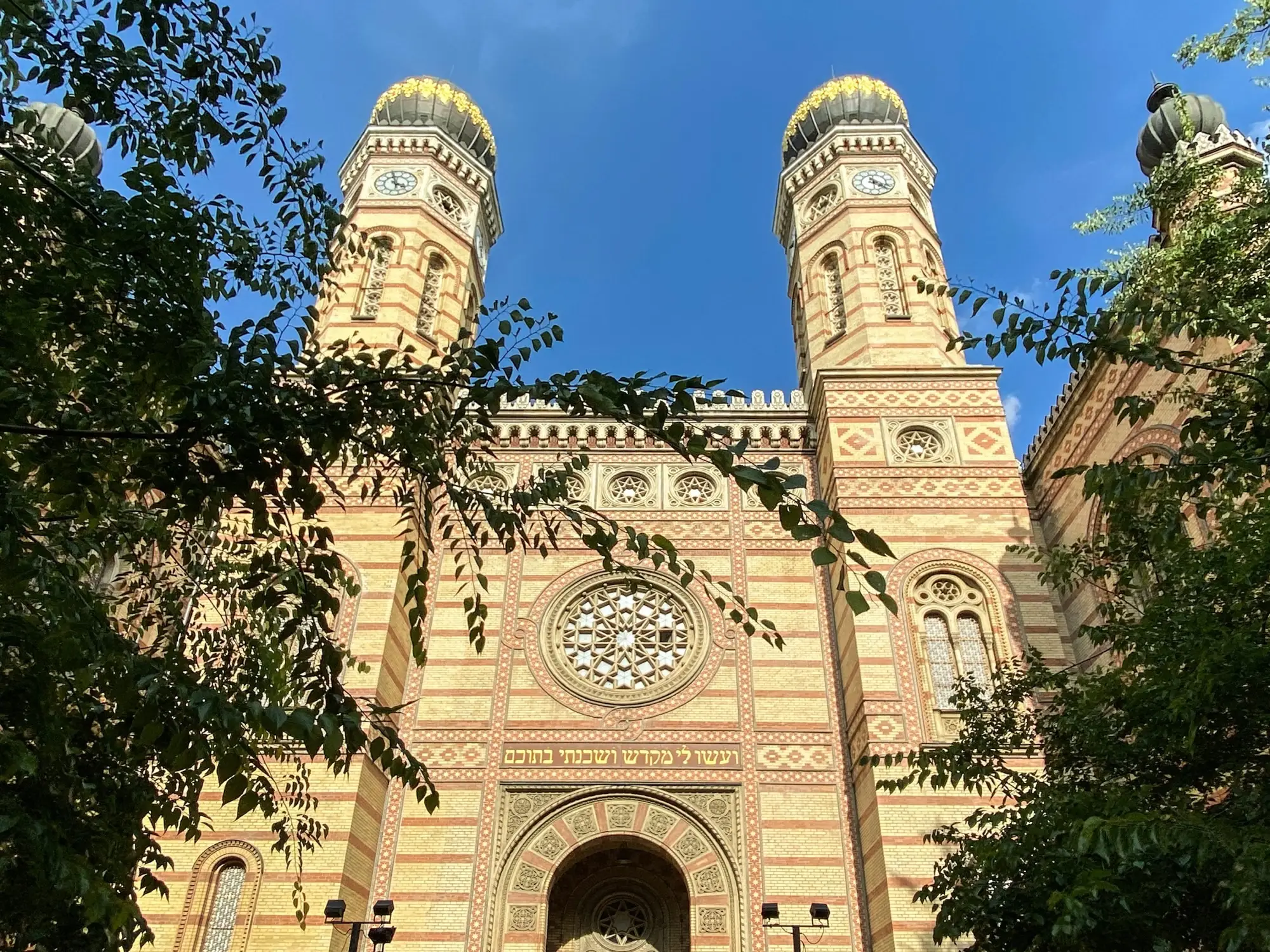
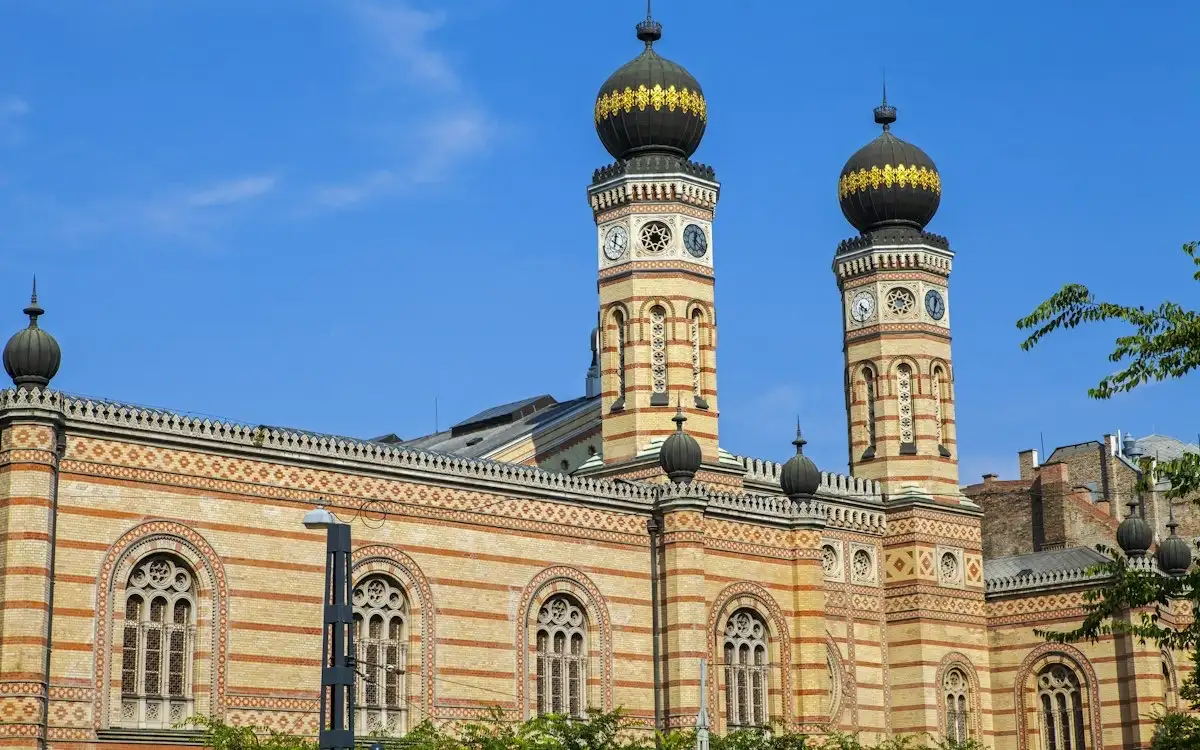
Nearly three thousand seats, twin onion domes, and an organ Liszt once played. The Dohány Street Synagogue is the largest synagogue in Europe and the working religious centre of Budapest’s Neolog Jewish community.
Built 1854 to 1859 to a Moorish Revival design by Vienna’s Ludwig Förster, it sits on the western edge of the Jewish Quarter. The compound covers more than the synagogue: the Hungarian Jewish Museum next door (on Theodor Herzl’s birthplace), the 1931 Heroes’ Temple, the Memorial Park behind with Imre Varga’s silver Tree of Life, and a courtyard cemetery where more than 2,000 victims of the Budapest ghetto are buried.
One ticket covers it all. It is closed every Saturday and on Jewish holidays, and the online ticket cannot be refunded, so check the dates before you book.
- Visit length
- 1.5 to 2 hours with the guided tour
- Entry
- One ticket for the whole complex, guided tour included
- Book ahead
- Advised. Non-refundable, so check the closure dates
- Opening hours
- Spring (1 March to 23 May 2026): Mon to Thu 10:00 to 18:00, Fri 10:00 to 16:00, Sat closed, Sun 10:00 to 18:00Summer (24 May to 30 September 2026): Mon to Thu 10:00 to 20:00, Fri 10:00 to 16:00, Sat closed, Sun 10:00 to 20:00Autumn (1 to 31 October 2026): Mon to Thu 10:00 to 18:00, Fri 10:00 to 16:00, Sat closed, Sun 10:00 to 18:00Winter (2 November to 28 February): Mon to Thu 10:00 to 16:00, Fri 10:00 to 14:00, Sat closed, Sun 10:00 to 16:00
- Best time
- Weekday opening time, at 10:00
- Nearest stop
- Metro M2 AstoriaAbout 150 m north along Károly körút. Stairs and escalators only
- Accessibility
- Synagogue, courtyard and museum with staff help
- Dress code
- Shoulders and knees covered, men cover their heads
- Closed
- Saturdays and Jewish holidays
Tickets
Entry is by one combined ticket for the synagogue, Hungarian Jewish Museum, Memorial Park, and cemetery. There is no “synagogue only” cheaper option, and a guided tour in your language comes with it.
Dohány Street Synagogue Fast Track Ticket
Best for: Seeing the whole complex at your own pace, with a guided tour if you want one
- Optional live guide in English, German, French, Italian, Russian or Spanish
- Non-refundable, cannot be moved
What’s included and more details
What’s included
- Fast-track entry to the synagogue complex
- The Hungarian Jewish Museum and its exhibitions
- Wallenberg Memorial Park, the Tree of Life and the Heroes' Temple
- An optional 45 to 60-minute guided tour
- Fast track
- Skip the ticket queue and go straight to the security check
- Last admission
- 1 hour before closing
- Not included
- Private tours
Great Synagogue + Jewish Quarter Walking Tour
Best for: The synagogue, museum and memorials explained by a guide, in a morning
- 2 hours, starting at 10:00
- Live guide in English
- Non-refundable, cannot be moved
What’s included and more details
What’s included
- Entry to the Dohány Street Synagogue
- The Jewish Museum, skipping the line
- Raoul Wallenberg Memorial Park
- The Jewish Centre
- Meeting point
- In front of the synagogue entrance, Dohány utca 6. The guide holds a Hungaria Koncert board
- Arrive
- 10 minutes early
- Group size
- Up to 25
Grand Tour of Kazinczy & Dohány Synagogue + Jewish Quarter Walking Tour
Best for: Seeing both synagogues and the wider Jewish Quarter in one morning
- 4 hours, starting at 10:00
- Live guide in English
- Cancellation possible until the day before
What’s included and more details
What’s included
- The Dohány Street and Kazinczy Street synagogues
- The Jewish Museum and Jewish Centre, skipping the line
- Wallenberg Memorial Park, the Tree of Life and the Martyrs' Cemetery
- A Jewish Quarter walk, with the Carl Lutz memorial and Gozsdu Passage
- Meeting point
- In front of the Dohány Street Synagogue entrance, Dohány utca 6. The guide holds a Hungaria Koncert board
- Also
- The Heroes' Temple is seen from outside
Paying less with the Budapest Card
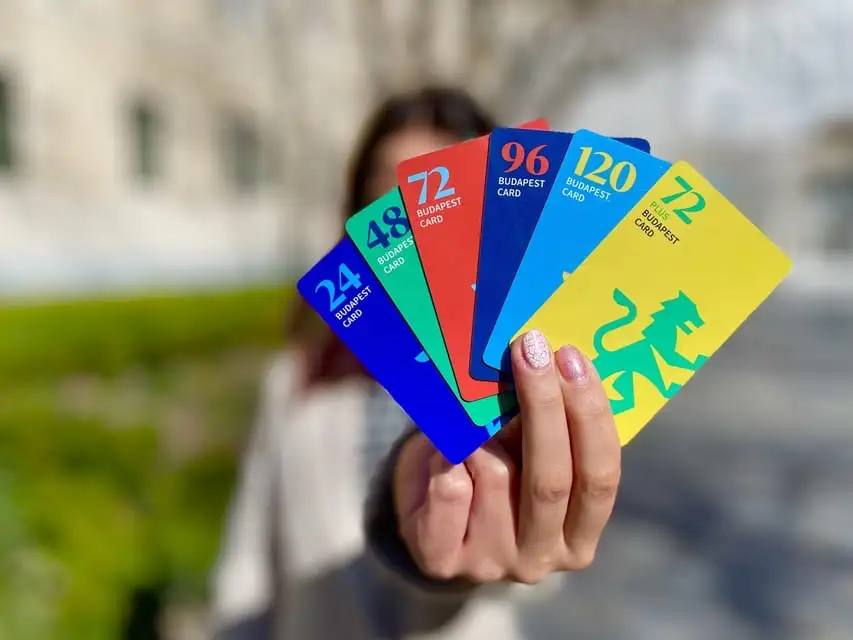
Budapest Card: Public Transport, 30+ Top Attractions & Tours
Best for: Taking 10% off entry here, if you are seeing more of Budapest than the synagogue
- 24, 48, 72 or 96 hours from first use
- Free cancellation up to 24 hours ahead
What’s included and more details
What’s included
- 10% off entry here
- 10% off the Hungarian Jewish Museum and the Kazinczy utca synagogue
- Unlimited public transport
- Free entry to more than 30 museums and attractions
- At the synagogue
- 10% off, not free entry, and it is the smallest discount the card gives
- Where it is given
- At the ticket desk, in person, never online, and it does not skip the queue
- Worth it only if
- You are doing several things in the city. A card bought for one visit costs more than it saves
- Closed Saturdays (Shabbat) and on Jewish holidays, with a 14:00 finish on the eve of some of them. The dates change each year, and the entry ticket cannot be refunded or moved to another day
- Everyone goes through the security check, fast track or not. Nothing bigger than hand luggage is allowed in, and there is no cloakroom
- Children under 6 go in free and need no ticket. Everyone else pays the same rate
For a full breakdown of every ticket type, see our Dohány Street Synagogue tickets guide.
Highlights
Europe’s largest synagogue
Sit in the Moorish Revival hall behind the twin onion domes, with seating for nearly 3,000 worshippers, two tiers of galleries and Frigyes Feszl’s white and gold Ark.
The Tree of Life memorial
Stand under Imre Varga’s silver weeping willow in the Memorial Park, where the leaves carry the names of Hungarian Jewish Holocaust victims.
Theodor Herzl’s birthplace
Visit the Hungarian Jewish Museum on the site where the founder of modern political Zionism was born in 1860, with its collection of Jewish religious art and an exhibition on the Budapest ghetto in the cellar.
Plan your visit
Opening hours
Open Sunday to Friday year-round, closed Saturdays for Shabbat and on Jewish holidays. Closing time moves with the season, from 16:00 in winter to 20:00 in summer, and Fridays always finish early. Last entry is one hour before closing.
Spring (1 March to 23 May 2026): Mon to Thu 10:00 to 18:00, Fri 10:00 to 16:00, Sat closed, Sun 10:00 to 18:00Summer (24 May to 30 September 2026): Mon to Thu 10:00 to 20:00, Fri 10:00 to 16:00, Sat closed, Sun 10:00 to 20:00Autumn (1 to 31 October 2026): Mon to Thu 10:00 to 18:00, Fri 10:00 to 16:00, Sat closed, Sun 10:00 to 18:00Winter (2 November to 28 February): Mon to Thu 10:00 to 16:00, Fri 10:00 to 14:00, Sat closed, Sun 10:00 to 16:00Check our detailed opening hours guide for the seasonal timetable, this year’s Jewish holiday closures and the best times to go.
Getting there
The synagogue sits on the corner of Dohány utca and Károly körút. Astoria, on metro line M2, is the nearest station, trams 47, 48 and 49 stop on Károly körút, and trolleybus 74 ends right beside the building.
Nearest stops
By car: not recommended. The Jewish Quarter has narrow one-way streets and very limited parking.
See our complete guide on how to get there for walking routes, the airport bus, parking, and accessibility info.
Before you go
- Dress code: shoulders and knees covered. The synagogue’s own wording is that entry will be denied in “sleeveless tops, short skirts or shorts”. Cover-ups are sold at the entrance, not lent
- Men cover their heads. Wear your own hat or cap, or the kippah you are given at the entrance once your ticket has been checked, and keep it on everywhere in the complex
- Security check: everyone goes through it. You are asked to take metal objects and phones out of your pockets, and no bag larger than hand luggage is allowed in. The museum has no cloakroom, so leave suitcases at your hotel
- No eating, drinking or smoking anywhere in the complex except the café
- Photos for personal use are fine. No tripods, no flash or selfie sticks in the museum, and no filming or recording of the guides
- Children under 6 go in free. Pushchairs are allowed, and under-14s need an adult with them in the museum
Accessibility
The synagogue, the courtyard and the museum can be visited in a wheelchair, with help from the staff where you need it.
- The entry ticket is listed as wheelchair accessible by both Tiqets and GetYourGuide. The synagogue publishes no access information of its own, so ask the staff at the entrance for the best way in
- The museum has a lift between its floors, step-free exhibition rooms and an accessible toilet on the first floor
- Do not count on the ghetto exhibition in the cellar or the Heroes’ Temple being step-free
- The guided walking tours of the Jewish Quarter are sold as not suitable for wheelchair users
- Astoria metro station has no lifts. The step-free ways to arrive are in our how to get there guide
What to see and do
Start in the main hall
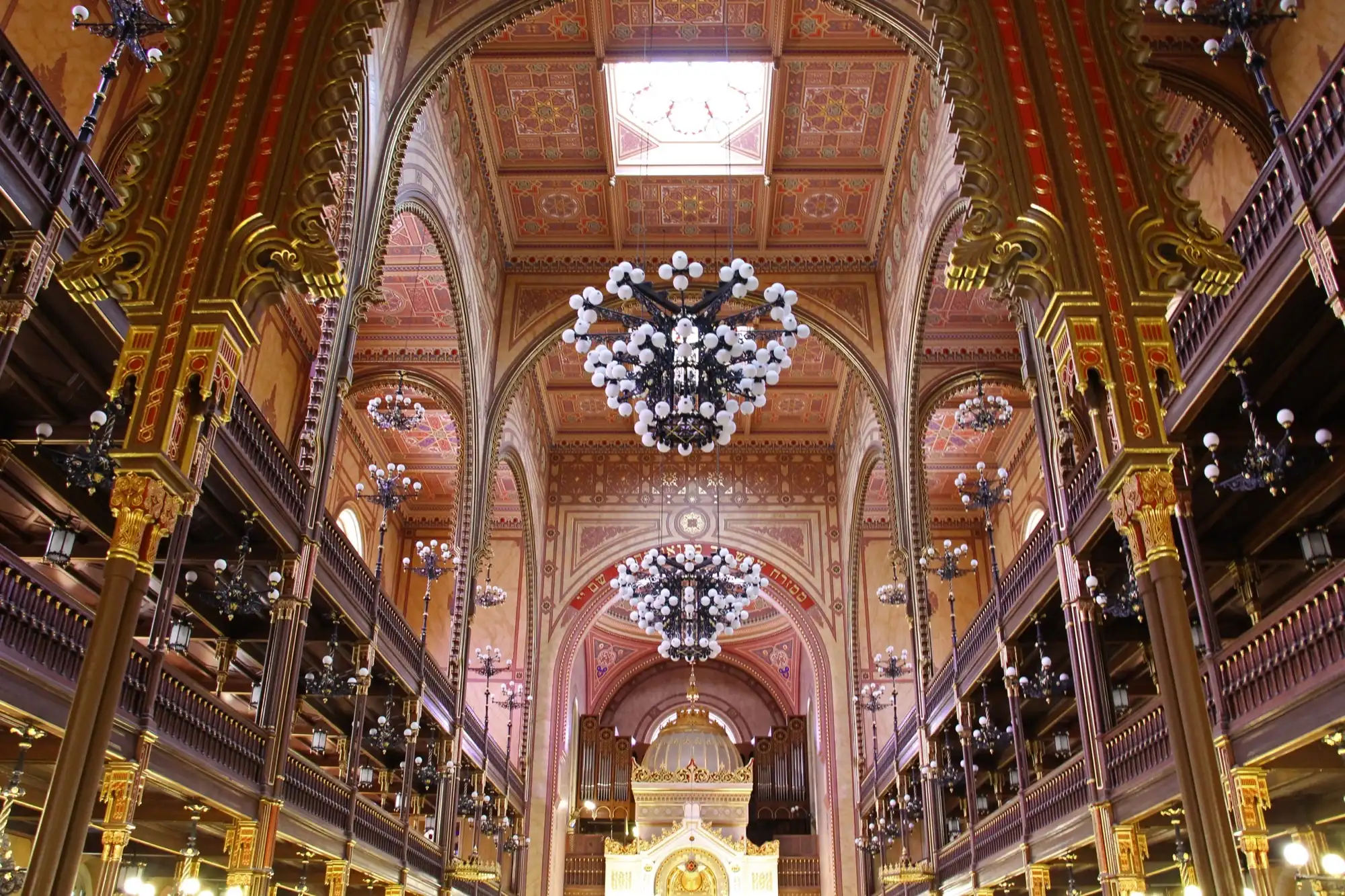
The hall is laid out more like a basilica than a traditional synagogue. There are three aisles, two pulpits of the kind you see in churches, and women’s galleries on two levels along both sides. It seats nearly 3,000, with 1,497 places for men downstairs and 1,472 for women in the galleries, and at services men and women still sit separately.
The white and gold Ark at the far end, 8.2 metres high, was designed by Frigyes Feszl, the architect of the Vigadó concert hall, who took over the interior after Ludwig Förster left.
The organ is behind it. Services here were accompanied by an organ and a choir from the day the building opened, Franz Liszt played the instrument, and the present one was built by Jehmlich of Dresden in 1996.
The guided tour starts here. Find the flag for your language among the pews, sit down in that section, and the next guide comes to you. Several groups are being talked to at once, so sit close to yours.
Stop at the graves in the courtyard
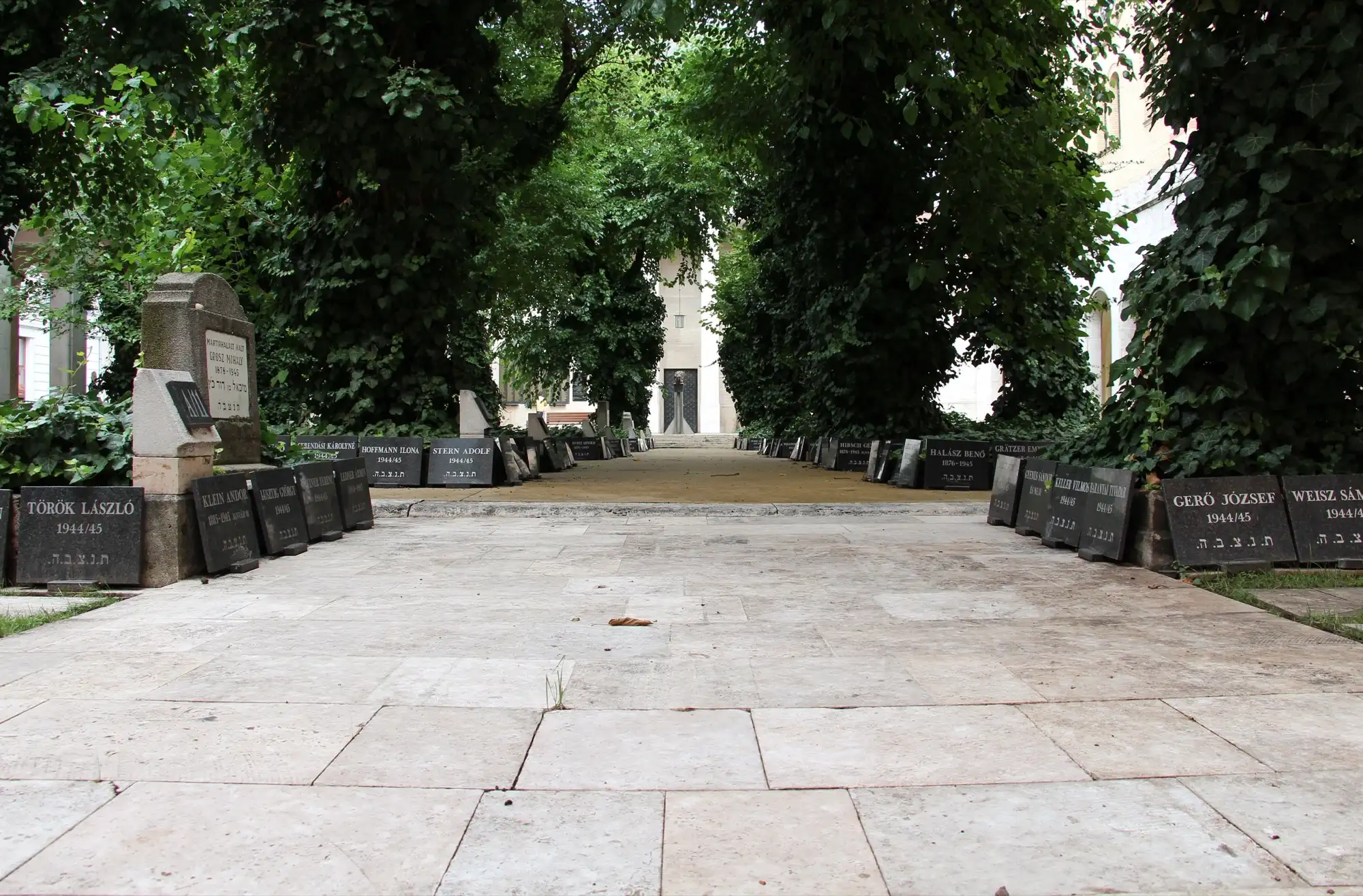
Jewish tradition keeps cemeteries away from synagogues, and this one exists out of necessity. When the Budapest ghetto was liberated on 18 January 1945, thousands of bodies lay unburied in the streets around the building. More than 2,000 people were buried here in 24 common graves, in what had been laid out as a garden.
Some were identified and have their names on the stones. Many never were. Jewish law forbids exhuming the dead, so they have stayed.
The arcades around the garden and the domed building at the far end date from 1931. That building is the Heroes’ Temple, a 186-seat prayer hall designed by László Vágó in memory of the 10,000 Hungarian Jewish soldiers who died in the First World War.
It is used for services, so you may only see it from the courtyard. Look above its entrance for the Star of David made up of the Hebrew letters of a verse mourning the fallen.
Often overlooked by visitors moving quickly through the compound. Pause here even if you’ve spent your time elsewhere. It is a burial ground, and the synagogue asks everyone to behave accordingly.
Read the leaves on the Tree of Life
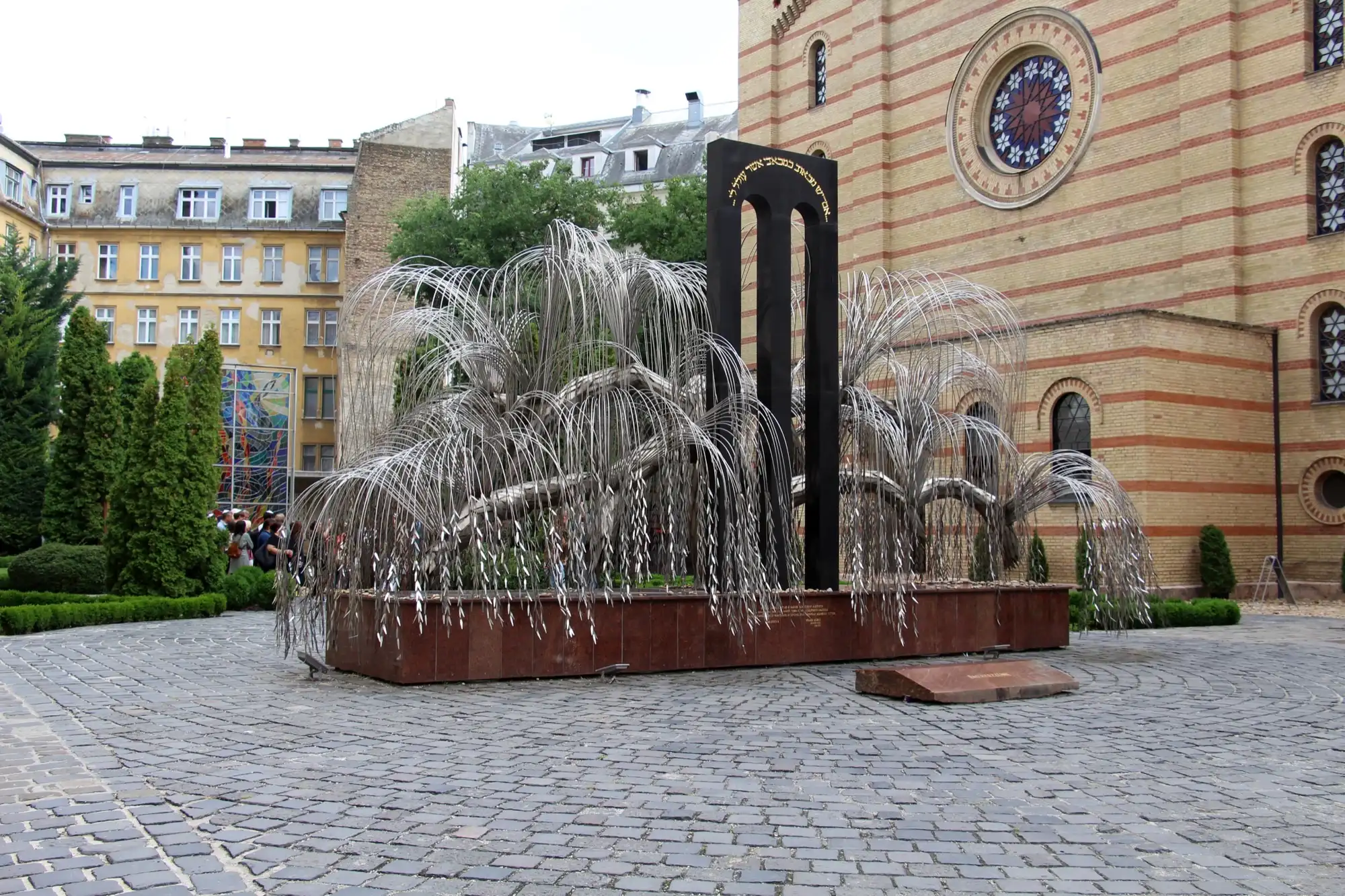
Imre Varga’s weeping willow in metal stands on a red granite base at the centre of the Raoul Wallenberg Memorial Park behind the synagogue. It is the memorial to the Hungarian Jews killed in the Holocaust. The idea came from the actor Tony Curtis, who was of Hungarian descent, and the Emanuel Foundation he set up helped pay for it.
The artwork is designed to be read at close range. Families have had the names of relatives who were killed engraved on the leaves, so spend time at the base; the leaves are individual records, not symbols.
Photographs are fine. Posed ones in front of the tree are not what it is for.
Find the rescuers’ names in the memorial park
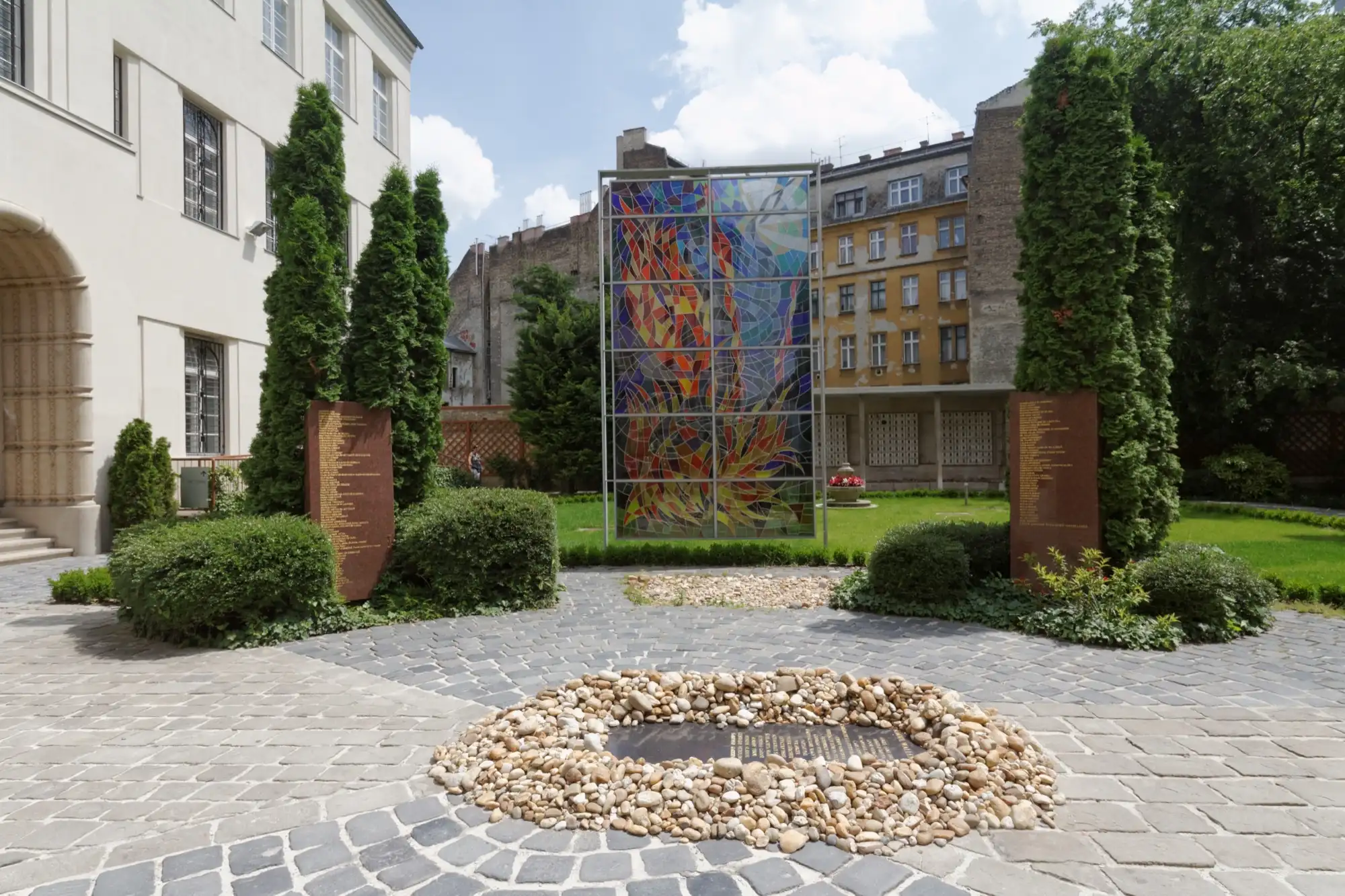
The park around the tree is named after Raoul Wallenberg, the Swedish diplomat who, with colleagues from other neutral countries, handed out protective papers and set up safe houses in Budapest in 1944. Between them they saved tens of thousands of Jews.
Look for the tablets carrying the names of rescuers, Hungarian and foreign, the stained-glass memorial panel behind them, and the plaque to Sir Nicholas Winton. Behind the synagogue, the Lapidarium keeps the old gravestones that were replaced when the cemetery was renovated, because Jewish law does not allow them to be hidden or thrown away. The inscription that once stood on the synagogue’s facade is there too.
Most people walk straight through after the tree. Give it ten minutes.
Don’t skip the museum
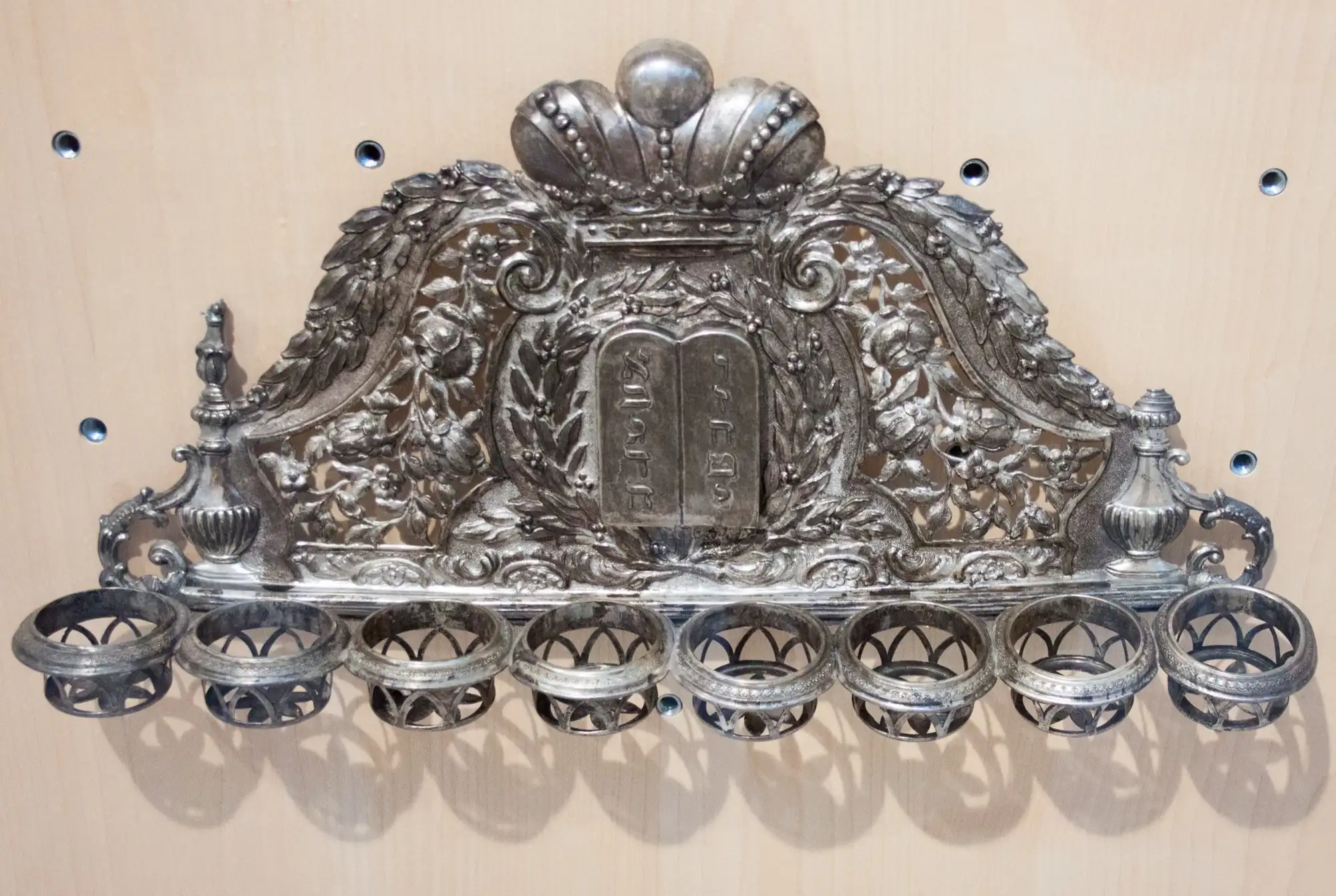
The Hungarian Jewish Museum fills the wing attached to the synagogue, finished in 1931 on the site of the house where Theodor Herzl was born. You go in through the same entrance and it is on the same ticket. The guided tour does not go in, though, and it is easy to leave without realising you could have. That would be a mistake.
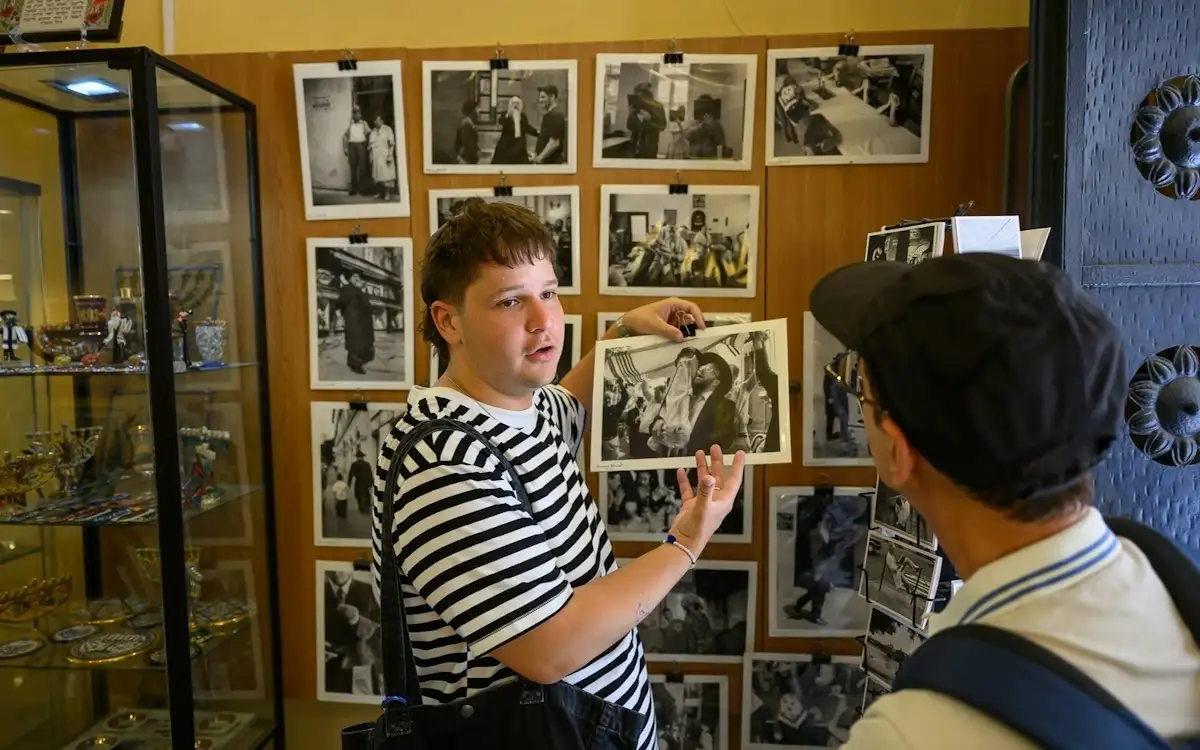
Upstairs is the collection of Jewish religious art from Hungary and Eastern Europe, arranged around the festivals and the stages of a Jewish life. The museum’s free Milev app is the audio guide, so download it before you go in. The cellar holds the exhibition on the Budapest ghetto, which is mostly text and photographs and takes time to read properly.
Allow 45 minutes for the two. The cellar gets hot and crowded on summer afternoons, so go down there first if you arrive early.
Insider tips
Check the Jewish calendar
Major Jewish holidays follow the lunar calendar, so closure dates shift each year, and the day before a holiday often ends at 14:00. If your dates are tight, check the current year’s list before locking in a booking. The ticket cannot be refunded or moved, so a closure you did not know about costs you the visit.
Bring a light wrap in summer
The dress code applies even on the hottest summer days. A light scarf or wrap in your daypack works for both shoulders and knees if you’re in a tank top or shorts. Forget it and you will be buying a cover-up at the entrance.
Be at the door for 10:00
Opening time on a weekday is the calmest the hall gets. Sunday is the busiest day of the week, because the complex has been shut since Friday afternoon and everyone who missed it comes at once.
In summer, come in the early evening
From late May to the end of September the complex stays open until 20:00 from Sunday to Thursday, with last entry at 19:00. The guided tours sold through Tiqets all start at 10:00, so the last couple of hours are quieter, and the courtyard is cooler.
Combine with a Jewish Quarter walk
The neighbourhood east of the synagogue is one of Budapest’s most layered districts. The two-hour guided tour pairs the synagogue with a walk through it, and the four-hour version adds the Kazinczy Street Synagogue and Gozsdu Passage. Both are on our tours page.
Nearby attractions
Dohány sits at the western edge of the Jewish Quarter and within easy walking distance of central Pest’s main landmarks. Half-day combinations build naturally around the synagogue.
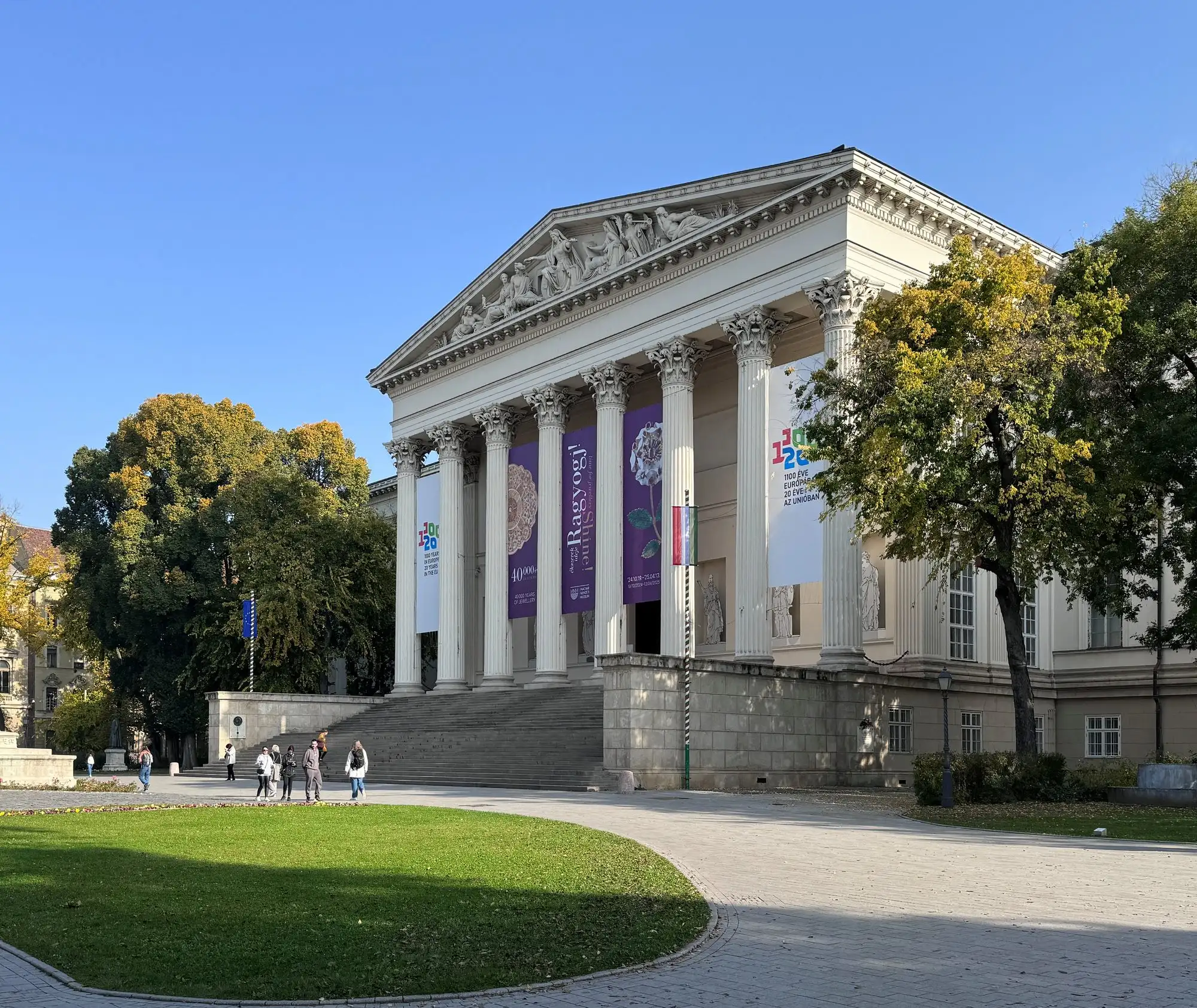
Hungarian National Museum
About 11 minutes south on foot, down Múzeum körút. Hungary’s national history museum.
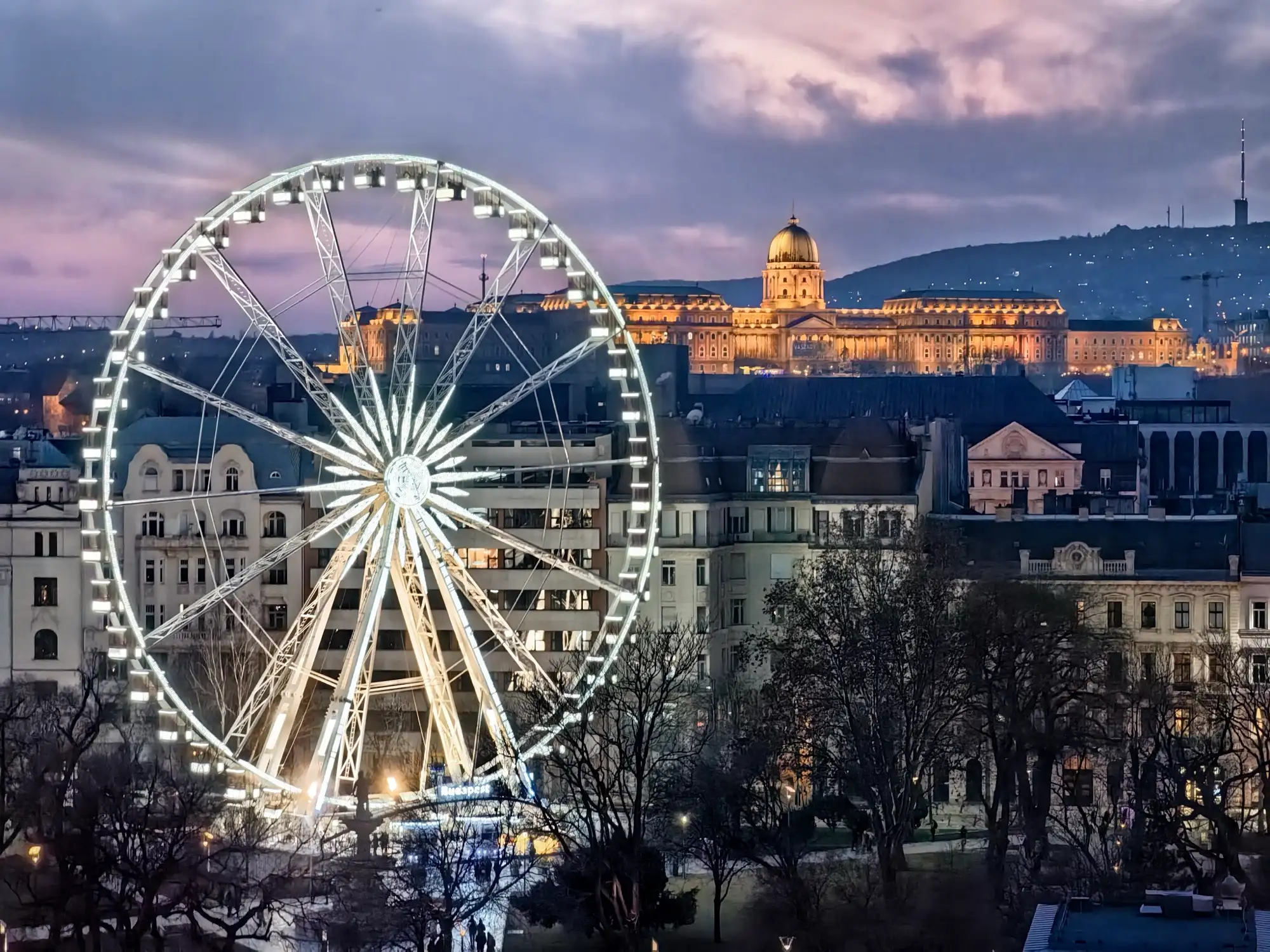
Budapest Eye
About 11 minutes north-west on foot, on Erzsébet tér.
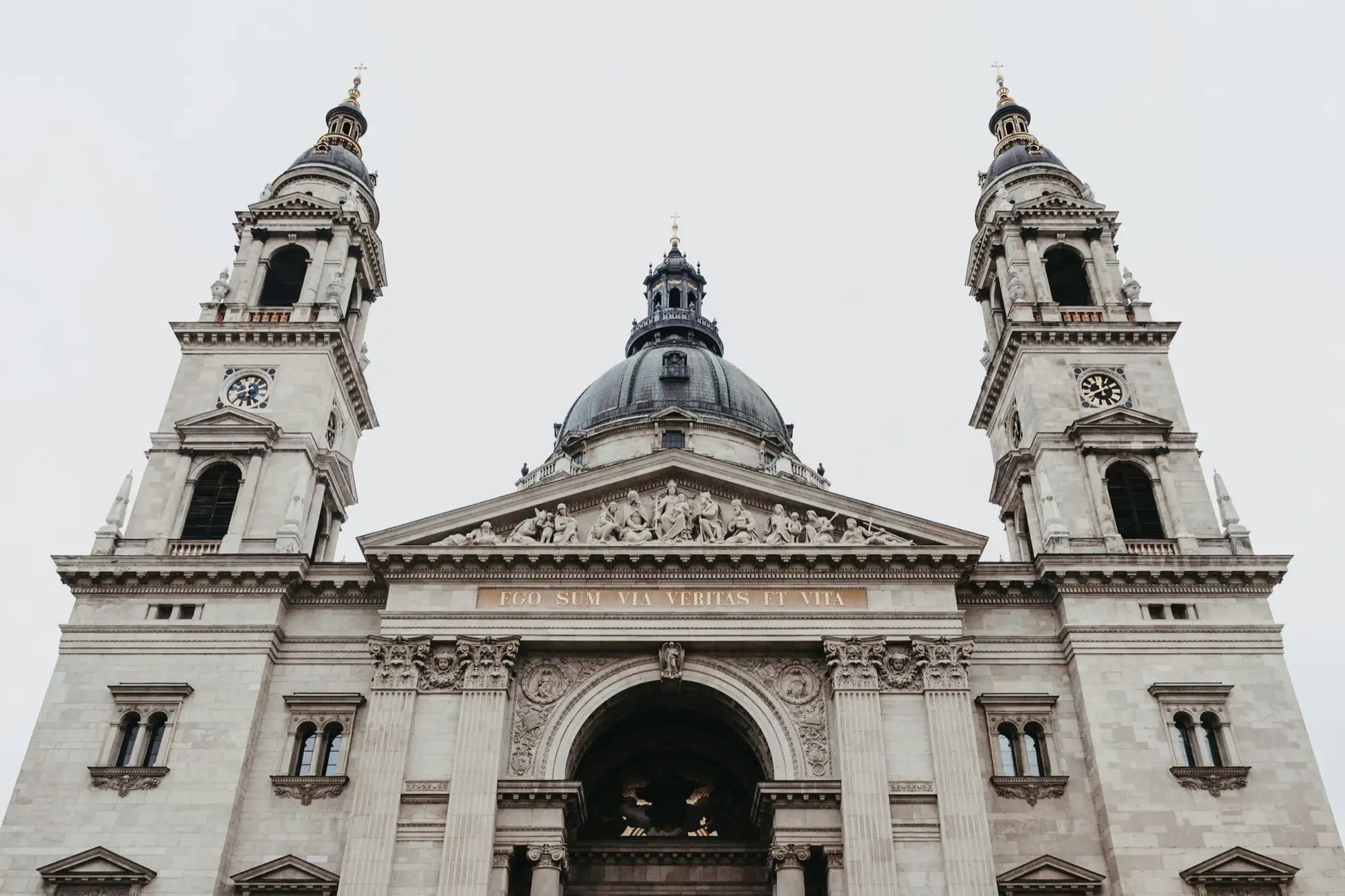
St. Stephen's Basilica
About 14 minutes north-west on foot. Budapest’s largest church and the home of the mummified right hand of King Stephen I.
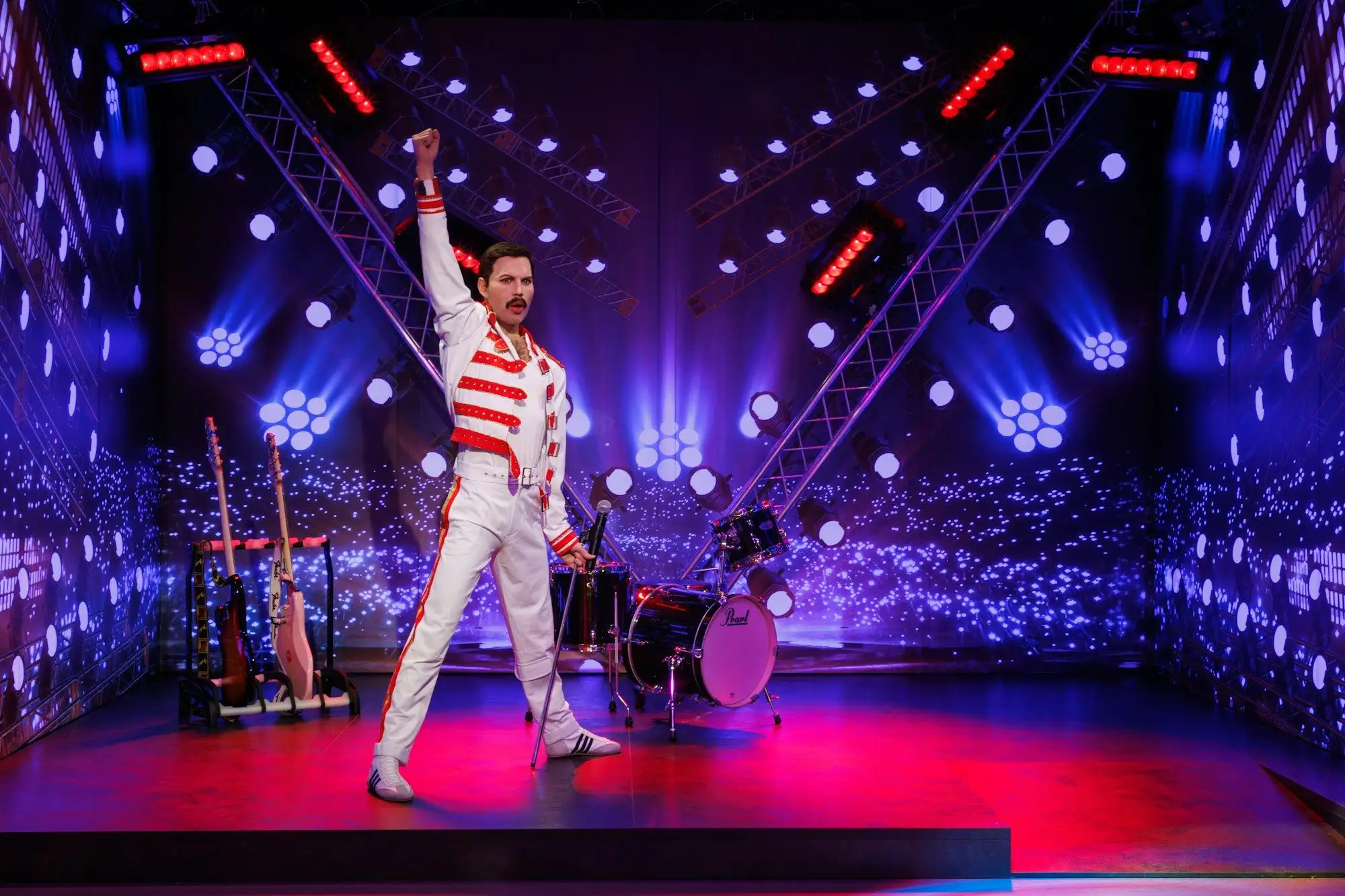
Madame Tussauds Budapest
About 15 minutes west on foot, in Palazzo Dorottya on Dorottya utca.
Did you know?
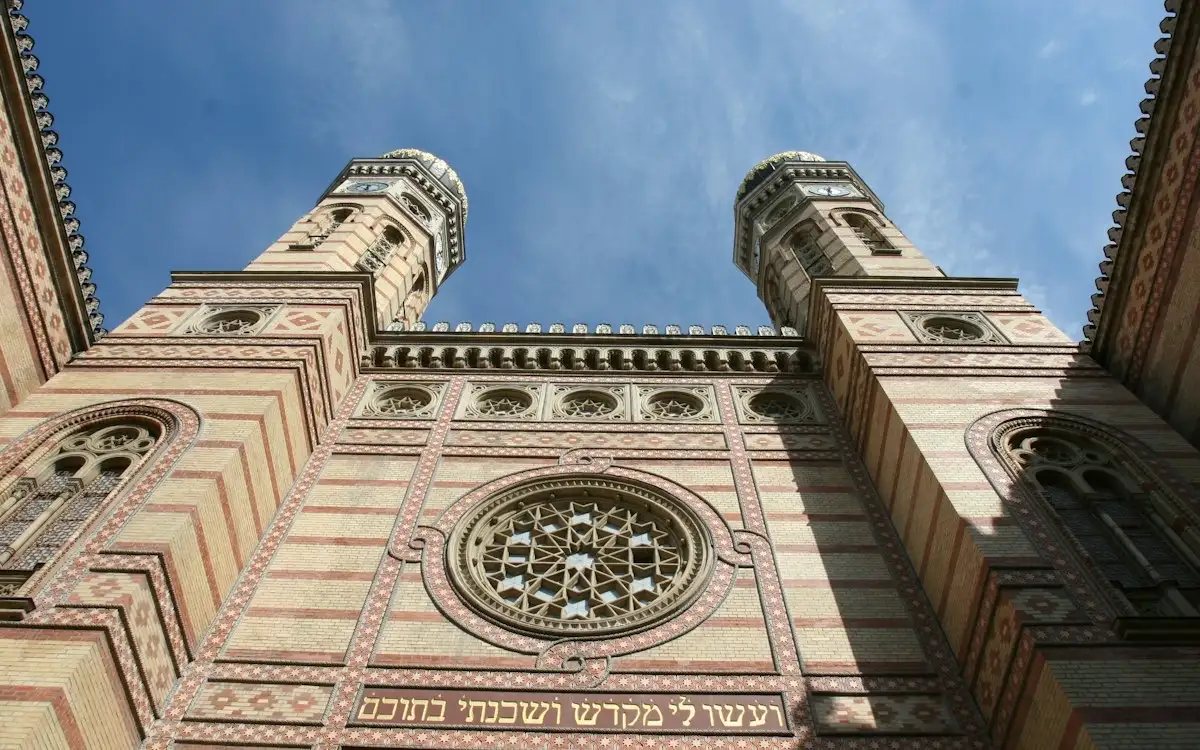
- The Hebrew inscription over the main entrance is from Exodus: “And let them make Me a sanctuary so that I may dwell among them.”
- The Ark holds Torah scrolls that came from synagogues destroyed in the Holocaust.
- The cemetery garden was meant to be a park with a pool at its centre, in which the sky would be reflected. The community had swapped a plot five times the size elsewhere in the city to get the land.
History
The synagogue was built in five years and has spent much of the time since being damaged and repaired. Ludwig Förster designed it, Frigyes Feszl finished the interior, and the courtyard behind it became a graveyard in the winter of 1944 to 1945.
- 1854
Building begins
Work starts on Ludwig Förster’s design for the Jewish community of Pest, on land the community owns.
- 1859
Synagogue consecrated
The synagogue is consecrated on 6 September, with seating for nearly 3,000 and an organ.
- 1860
Theodor Herzl is born next door
The future founder of political Zionism is born in the house on the plot now occupied by the Hungarian Jewish Museum.
- 1931
Heroes’ Temple and museum added
The museum wing, the arcades and the 186-seat Heroes’ Temple are built, the last in memory of Hungarian Jews killed in WWI.
- 1939
Arrow Cross attack
The far-right Arrow Cross movement bombs the synagogue on 3 February.
- 1944 to 1945
Budapest ghetto
The synagogue is used as a German radio base and a stable, and stands on the edge of a ghetto holding about 70,000 people. After the liberation on 18 January 1945, more than 2,000 of the dead are buried in the courtyard.
- 1990s
Major restoration
State money and private donors, Estée Lauder prominent among them, pay for a full restoration, and a new organ is installed in 1996.