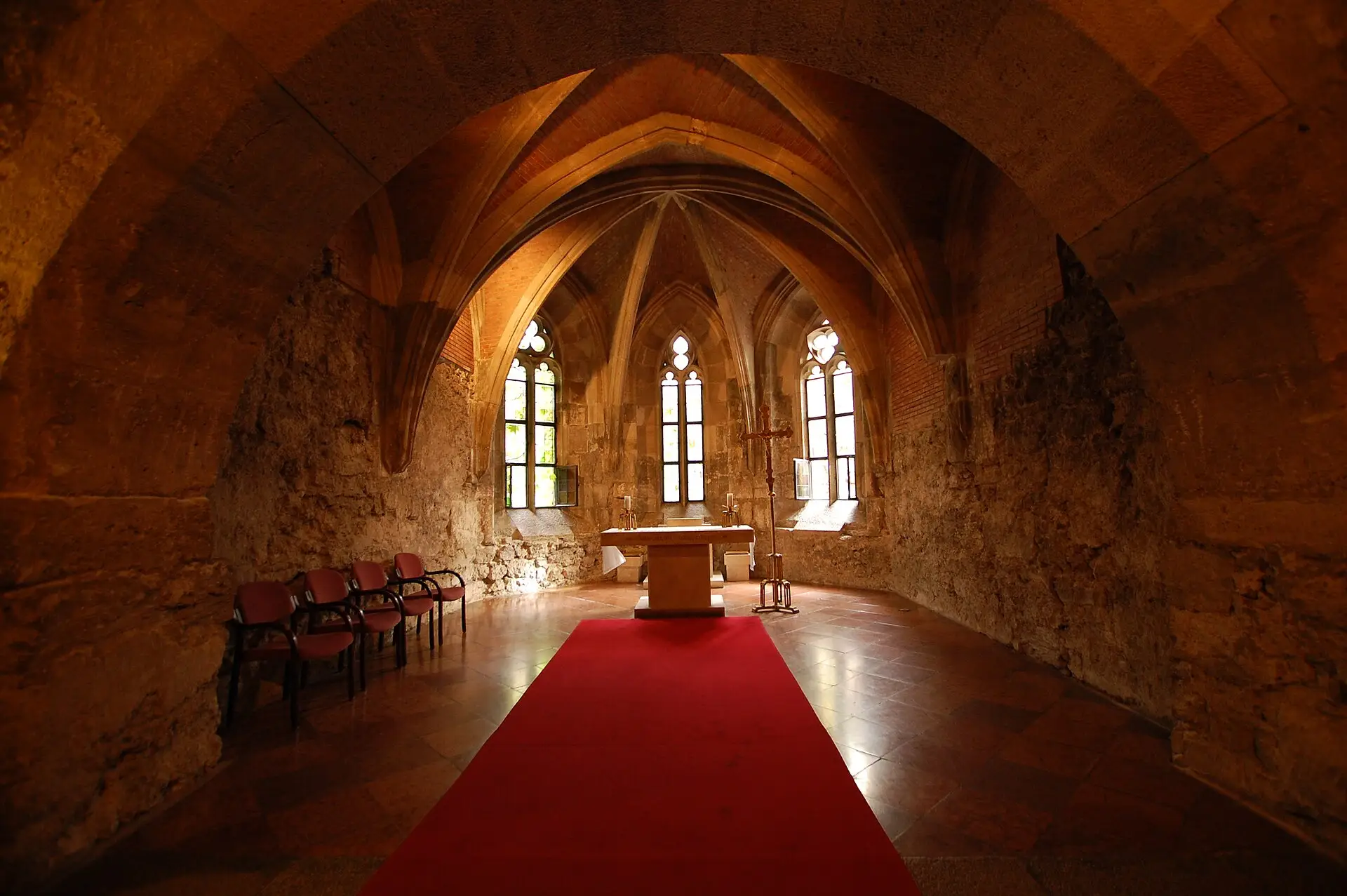
Most city museums are a collection that acquired a building. This one is a collection that was handed the ruins of a royal palace and spent twelve years digging them out.
The institution came first, founded in 1887 as the Municipal Museum of a city that was only fourteen years old itself, and it spent eighty years moving between borrowed buildings.
The palace came second. The medieval royal seat of Hungary had been wrecked in 1686 and buried under the Baroque palace that replaced it, and it was the destruction of 1945 that gave the archaeologists their chance to go looking for it. By the time the museum moved into Building E in 1967, its own staff had already excavated the floor it now stands on.
At a glance
Timeline
- 1887
The Municipal Museum is founded
Budapest’s city council founds the Fővárosi Múzeum on the proposal of Károly Gerlóczy, the city’s chief notary and later its first deputy mayor.
- 1899
The collections are organised
The council adopts Bálint Kuzsinszky’s plan, adding a historical collection, a picture gallery and a natural history collection to the archaeological one.
- 1907
Open to the public in City Park
The museum opens in the fine arts pavilion of the 1885 National Exhibition, the building known today as the Olof Palme House.
- 1932
Medieval stones at Fisherman's Bastion
The Medieval Stone Collection opens in the large northern corner tower of the Bastion, to show the carved medieval stones found in Buda Castle. It serves as an exhibition space until 1952.
- 1936
A new name
The museum is renamed the Székesfővárosi Történeti Múzeum by the mayor, Jenő Sipőcz.
- 1941
Into the Kiscell mansion
The museum moves into the Kiscell mansion in Óbuda, left to the city by Miksa Schmidt in 1935 and still a BTM museum today.
- 1942 to 1945
A medieval department of its own
The Medieval Stone Collection becomes a department in its own right, the Medieval Museum, and in August 1945 it is given the former Buda town hall at Szentháromság utca 2.
- 1948 to 1960
The royal palace is dug out
László Gerevich leads the first archaeological excavation of the medieval royal palace, uncovering rooms, castle walls and gardens destroyed three centuries earlier.
- 1951
The Budapest History Museum
The institution takes the name it still carries. National museum status follows under the museums act of 1963.
- 1967
The Castle Museum moves into Building E
The medieval museum and the directorate move into the rebuilt royal palace, the first cultural institution to do so, ahead of the National Gallery in 1975 and the National Széchényi Library in 1985.
- 1974
The Gothic sculpture find
László Zolnay’s dig in the forecourt of the palace opens a sealed cellar holding more than sixty reassemblable torsos and thousands of fragments of Gothic statuary.
- 2011 to 2015
The institution grows again
The Budapest Gallery is attached to the museum in 2011, and the Bartók Memorial House returns to it in 2015.
- 2021
St Stephen's Hall reopens
The reconstructed royal reception room opens in the southern connecting wing, sharing the museum’s entrance and ticket desk.
Key facts
- Founded
- 1887, as the Municipal Museum
- In Buda Castle since
- 1967, in Building E
- Excavated
- 1948 to 1960, under László Gerevich
- Gothic sculpture find
- 1974, more than sixty torsos
- Oldest rooms on show
- The chapel crypt and the Gothic Hall
- Levels
- Four, from the medieval cellars to the second floor
- Member museums
- Five, from Aquincum to the Budapest Gallery
- Named treasures
- The Angevin silk hanging, the Gothic sculptures, Matthias's marble
The excavations
Two digs made this museum what it is, and both were led by men whose names are still on the labels.
László Gerevich ran the first archaeological excavation of the medieval royal palace from 1948 to 1960. His team worked through the ruins of a palace that had been destroyed in the 17th and 18th centuries and buried under its successors, and brought up the rooms, the castle walls and the gardens that the museum’s lowest floor is made of.
László Zolnay, who lived from 1916 to 1985, led the 1974 dig in front of the palace that opened the sealed cellar of the Gothic sculpture find.
Excavation has never stopped. The museum’s archaeologists have run hundreds of digs across the city, and the objects from them are what fill the cases upstairs as well as down.
The treasures
The museum counts three things as its treasures.
The Hungarian-Angevin silk hanging with the coat of arms, lifted out of a well on Szent György tér.
The Gothic sculpture find of 1974, which the museum calls of exceptional artistic value and unique in the world.
The marble carvings of King Matthias’s palace, the surviving Renaissance stonework of his court, and the finest carving in the building.
The history of the Budapest History Museum
The palace that was lost before it was found
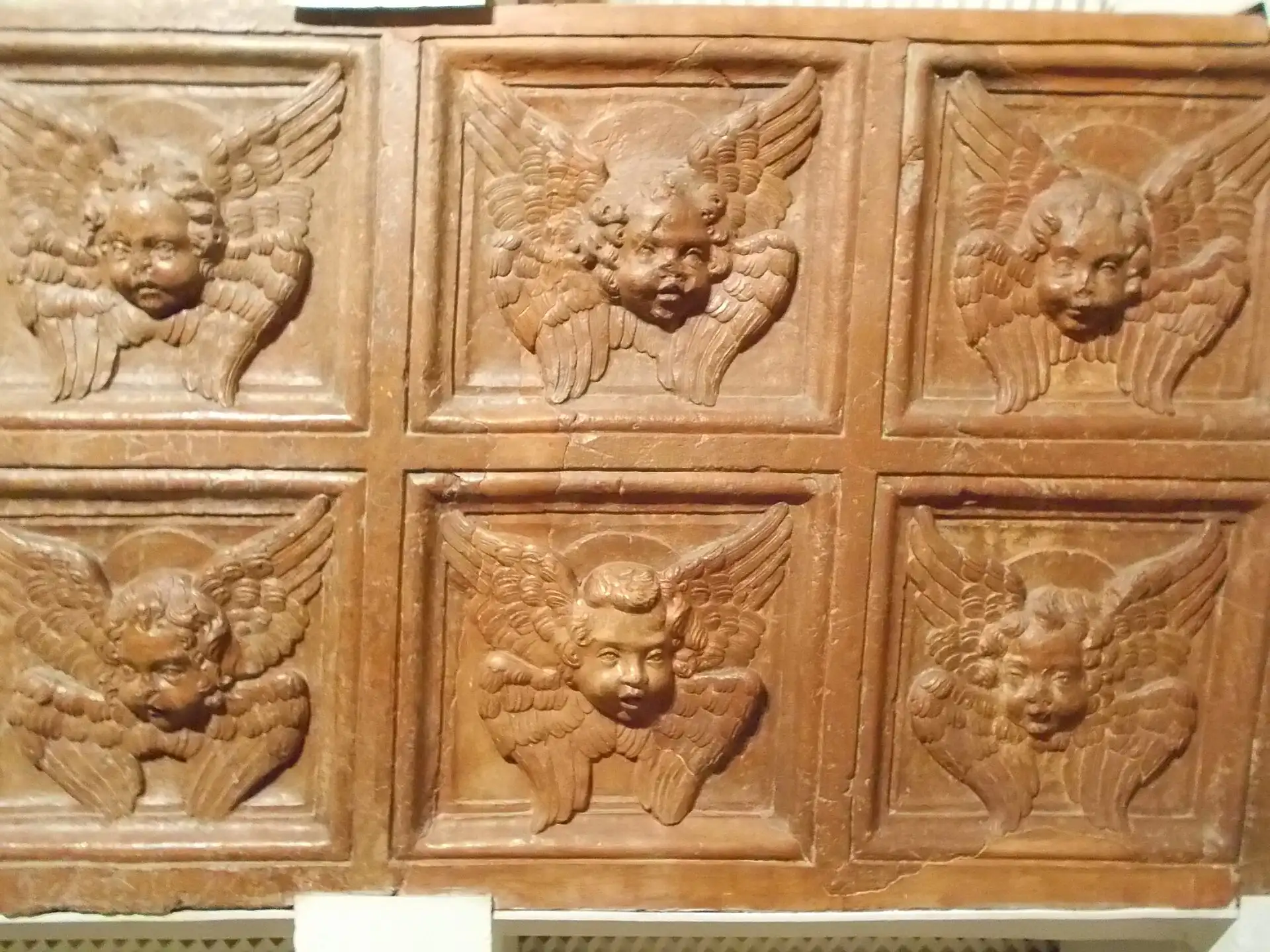
The medieval royal palace of Buda was one of the grandest courts in Europe, enlarged by King Sigismund and then by Matthias Corvinus, and in the end almost nothing of it was left above ground. It had been wrecked in the siege of 1686, and the surviving walls were levelled or built over as the Habsburg palace went up on the same ground.
Only the lowest level survived. The cellar level of the southern wing sat below the floors of everything built afterwards, so when the palace above was destroyed in the siege of Budapest the medieval rooms were still there, filled with centuries of rubble.
Those are the rooms you walk through today: the chapel, the Gothic Hall, the cellars and the Treasurer’s House, restored after they were dug out and put to use as the setting for the objects found in them. The palace’s own story above ground, from Béla IV’s fortress to the rebuilding going on at the northern end now, belongs to the Buda Castle guide.
Twelve years with a trowel, and one cellar nobody expected
The first archaeological excavation of the medieval royal palace ran from 1948 to 1960 under László Gerevich. It was not a rescue dig squeezed into a building programme but a twelve-year campaign, and it produced the rooms, the walls and the gardens that the museum’s basement exhibition is built out of. Everything the Castle Museum is best known for comes from it.
Then, in 1974, László Zolnay’s team dug the forecourt in front of the palace, where medieval townhouses had stood, and opened a sealed cellar under one of them. Inside were more than sixty reassemblable torsos and thousands of fragments of Gothic statuary, some painted, some religious and some secular.
Many of the sculptures were unfinished, abandoned when the workshop that was making them broke up, and the circumstances in which they were buried remain unclear. A workshop’s unsold stock, a deliberate burial, a clearance after a fire. The museum picks none of them, because the evidence does not.
The addresses before the palace
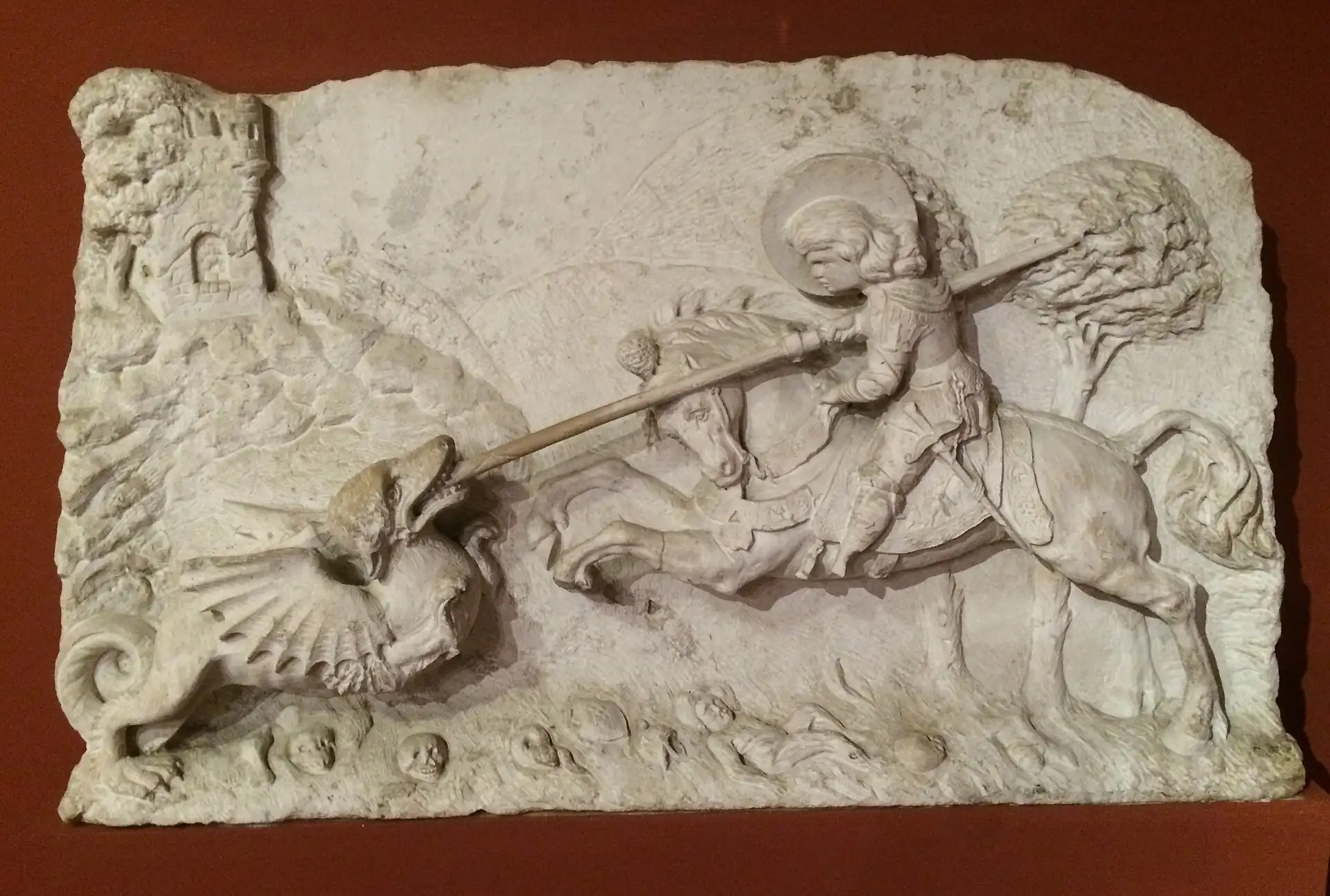
Buda, Pest and Óbuda had been one city for only fourteen years when the council founded a museum for it in 1887, on the proposal of the chief notary Károly Gerlóczy. It was an archaeological collection first, and in 1899 the council widened it to take in history, pictures and natural history as well.
The museum opened to the public in 1907 in City Park, in the fine arts pavilion left over from the National Exhibition of 1885. Its medieval stones went somewhere more photogenic. In 1932 the Medieval Stone Collection opened in the big northern corner tower of Fisherman’s Bastion, which showed the carved stones found in Buda Castle until 1952.
The museum moved into the Kiscell mansion in Óbuda in 1941, and in August 1945 its medieval department was given the former Buda town hall on Szentháromság utca.
In 1951 it became the Budapest History Museum, and in 1967 the Castle Museum moved into Building E. It was the first cultural institution to take a place in the rebuilt palace, eight years ahead of the National Gallery and eighteen ahead of the National Széchényi Library.
What the city's diggers still bring up
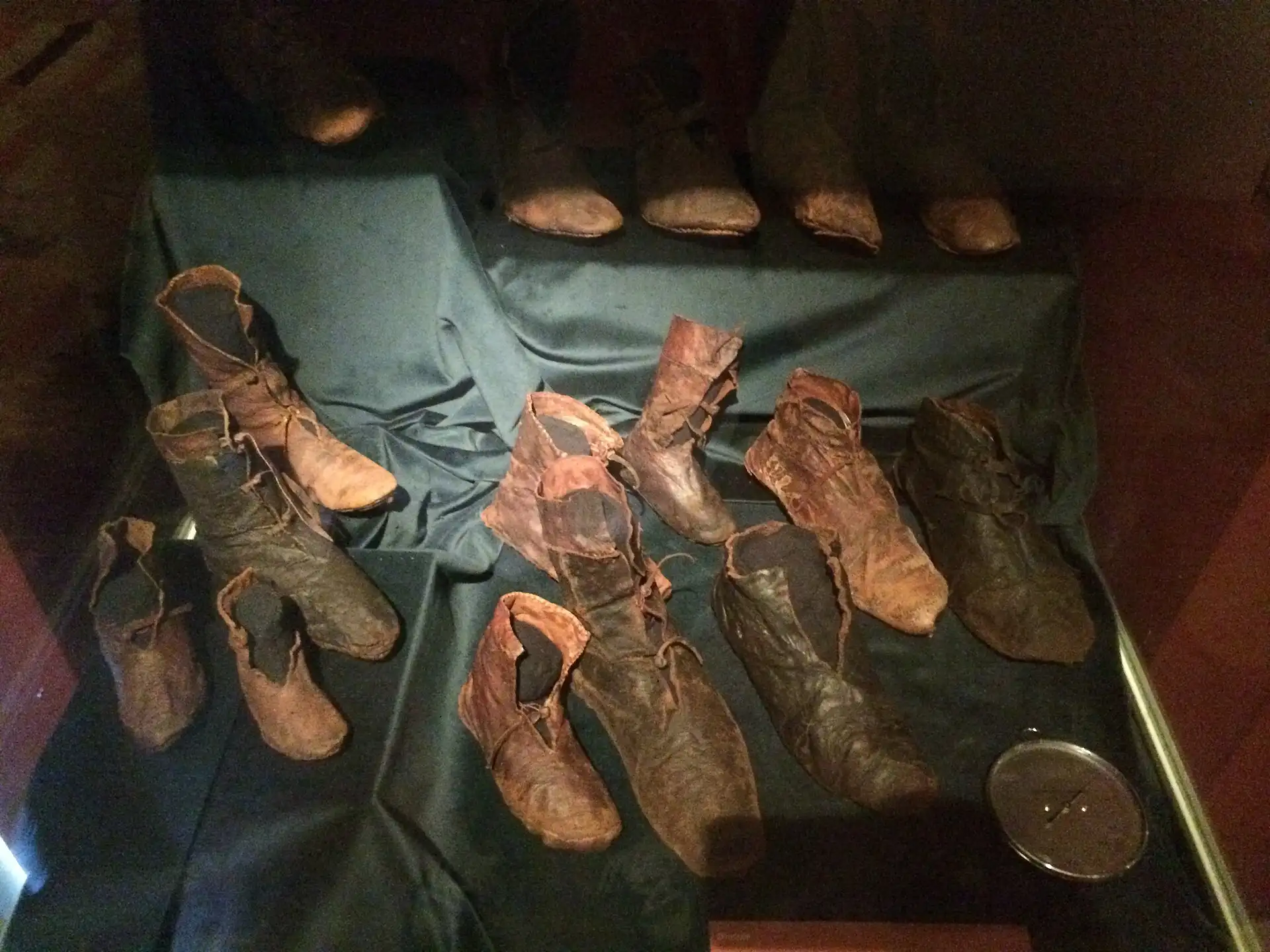
The museum is still the city’s archaeological service, and its newest objects come out of the ground rather than a saleroom. The best illustration is a well cut into the rock at the Teleki Palace site on Szent György tér. Its lowest five metres of silt sealed the air out and kept everything in it wet, which is why organic things survived down there: leather, wood and textiles.
Out of that one well came the leather shoes pictured here, the Hungarian-Angevin silk hanging, and the remains of a Lanner falcon, a bird not native to the Carpathian Basin, which makes it either a hunting import or an aristocratic gift.
The museum shows the stream of new material in a series called One Month, One Object, which puts a single find in a case with the story of the archaeologist who chose it. Come back years later and there will be something new in the case.